Walgreens Weed Test: What You Need to Know Before Buying
When individuals find themselves preparing for a new job, facing athletic compliance checks, or simply curious about their personal health, many turn to their local pharmacy. If you are searching for a walgreens weed test, you will find that major national drugstores typically carry over-the-counter screening options. However, navigating these products requires understanding what they can—and cannot—do.

At-home drug testing kits have evolved significantly over the years, offering quick preliminary results in the privacy of your own home. Before you head to the checkout aisle, it helps to understand the types of tests available, how they work, and what the results actually mean for your specific situation.
What Types of Drug Tests Does Walgreens Carry?
Walking into a Walgreens or browsing their website reveals a few standard options for home drug screening. The most common format is the immunoassay urine test cup or dip card. These kits are designed to detect various substances based on pre-set chemical thresholds.
Single-Substance vs. Multi-Panel Kits
Depending on your needs, you can purchase tests that screen for a single drug or multiple substances simultaneously.
- Single THC Tests: These kits focus exclusively on tetrahydrocannabinol (THC), the primary psychoactive compound in cannabis. They are ideal if you only need to check for marijuana use.
- Multi-Panel Drug Tests: These comprehensive kits can screen for anywhere from 5 to 14 different substances at once, including opioids, amphetamines, cocaine, and benzodiazepines, alongside marijuana.
Brands like CVS Health or First Sign and Utest are frequently stocked on pharmacy shelves, though exact brand availability varies by location.
How Do At-Home Cannabis Tests Work?
Most over-the-counter tests available at pharmacies operate as immunoassay screenings. They use specialized antibodies designed to bind to THC and its metabolites (specifically THC-COOH, which the body stores in fat cells after cannabis consumption).
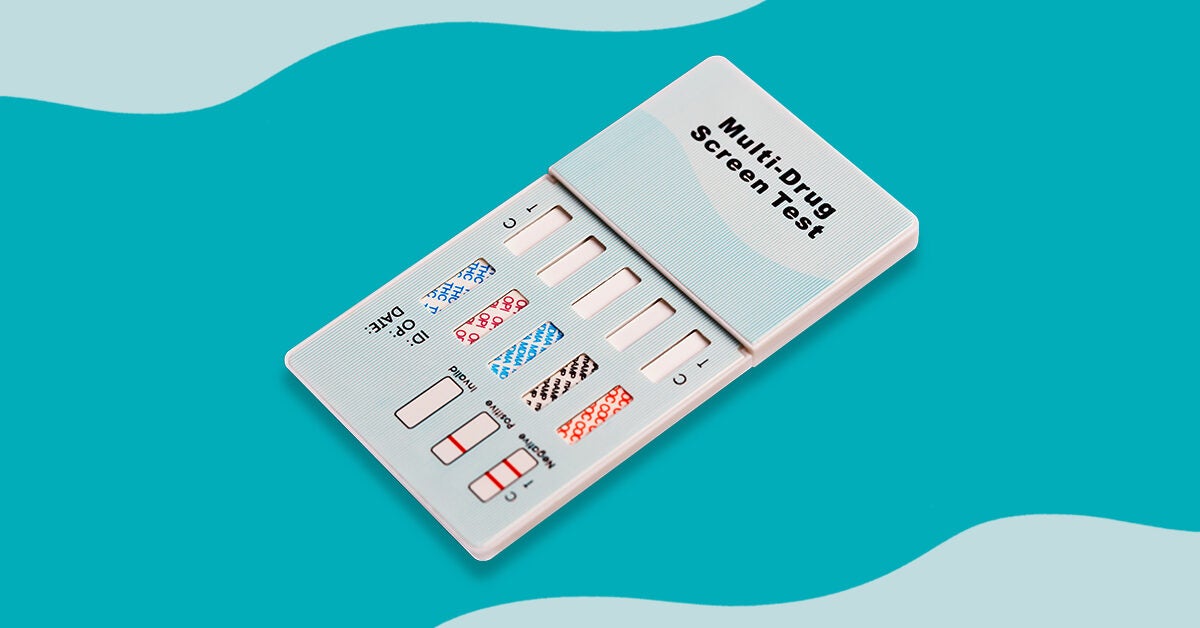
When you dip the test strip into a urine sample or use a test cup, a chemical reaction occurs. The results typically display as colored lines:
- Negative Result: Usually indicated by two lines (one control line and one test line). Even a very faint second line generally indicates that THC levels are below the designated cutoff threshold.
- Positive Result: Indicated by a single control line with no accompanying test line, meaning THC metabolites have been detected above the cutoff level.
- Invalid Result: If no lines appear at all, the test is defective and you will need to try a new one.
Understanding Detection Windows and Cutoff Levels
One of the most important factors to keep in mind when using a pharmacy-bought cannabis test is the concept of cutoff levels. Standard retail drug tests usually have a cutoff threshold of 50 ng/mL (nanograms per milliliter) for THC metabolites.
Video: THC Drug Test in 2026: How Long Will You Test Positive? (REAL Data)

This means that if your urine sample contains 45 ng/mL of THC metabolites, the test will read as negative. However, a more sensitive laboratory test—such as those used by employers or probation officers—might use a lower cutoff (like 15 ng/mL) or employ confirmatory testing methods like Gas Chromatography-Mass Spectrometry (GC-MS).
Factors That Influence THC Detection
Every individual metabolizes cannabis differently. Several biological and behavioral variables impact how long THC stays in your system:
- Frequency of Use: Occasional users clear THC much faster than chronic, daily consumers.
- Body Composition: THC metabolites are fat-soluble. Individuals with higher body fat percentages often retain detectable levels of THC longer.
- Hydration and Metabolism: While heavy dilution can temporarily alter urine concentration, standard lab tests look for specific gravity and creatinine levels to catch diluted samples.
Pros and Cons of Buying a Drug Test at a Pharmacy
Purchasing a screening kit at a retail store has distinct advantages and limitations.
The Advantages
The Limitations
What to Do If You Need a Lab-Certified Test
If an employer or legal entity requires a drug screening, purchasing an over-the-counter kit will not suffice. Official tests must be administered through certified collection facilities, such as Labcorp, Quest Diagnostics, or occupational health clinics.
These official facilities follow strict chain-of-custody protocols to ensure the sample belongs to the correct donor and has not been tampered with. If you are required to take a certified test, check the specific guidelines provided by the requesting organization rather than relying on home kits.
Final Thoughts
Using a retail kit to screen for cannabis is a straightforward way to get a general baseline of your status. While these kits provide quick answers, always keep their limitations in mind regarding cutoff levels and laboratory confirmation. Read the product packaging carefully, follow the instructions precisely, and remember that individual biology plays a massive role in cannabis detection times.