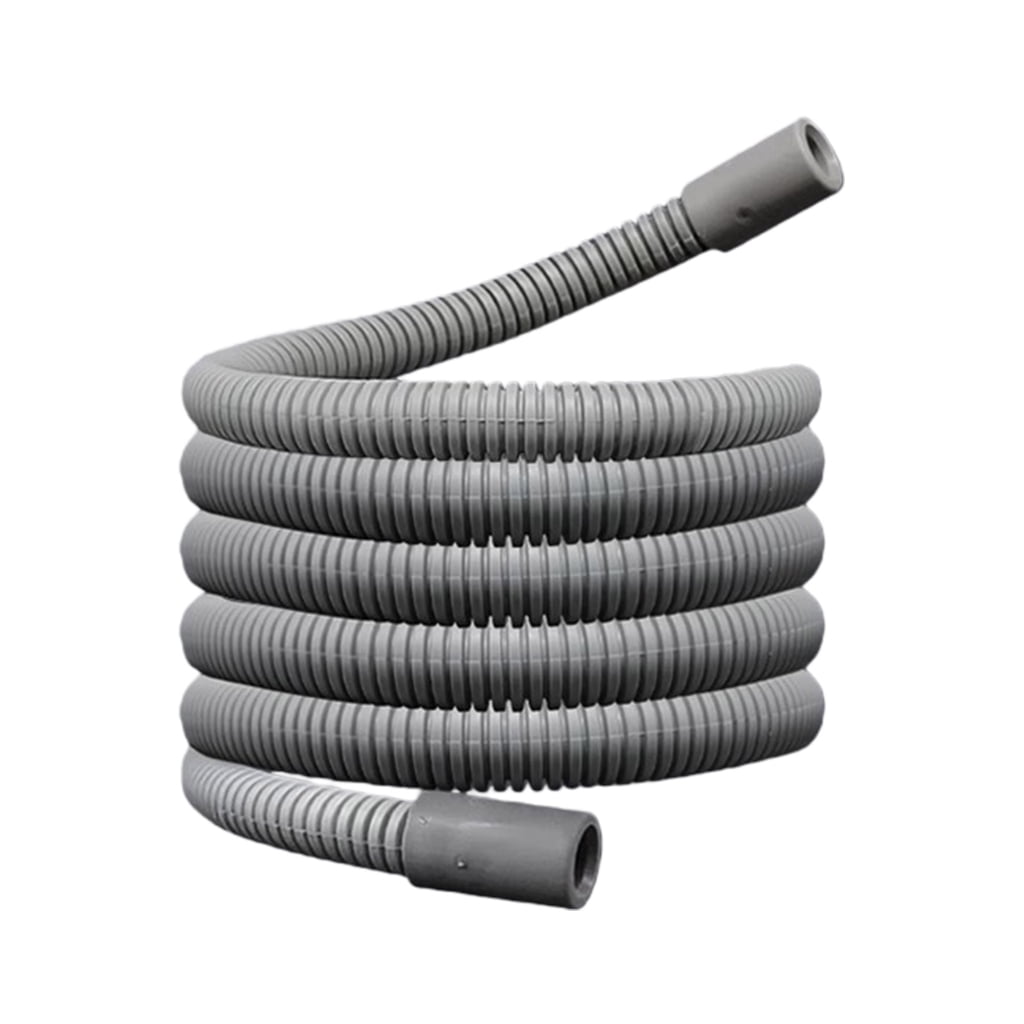
Walmart Dryer Hose: Buying Guide & Installation Tips
Understanding Your Options for a Walmart Dryer Hose
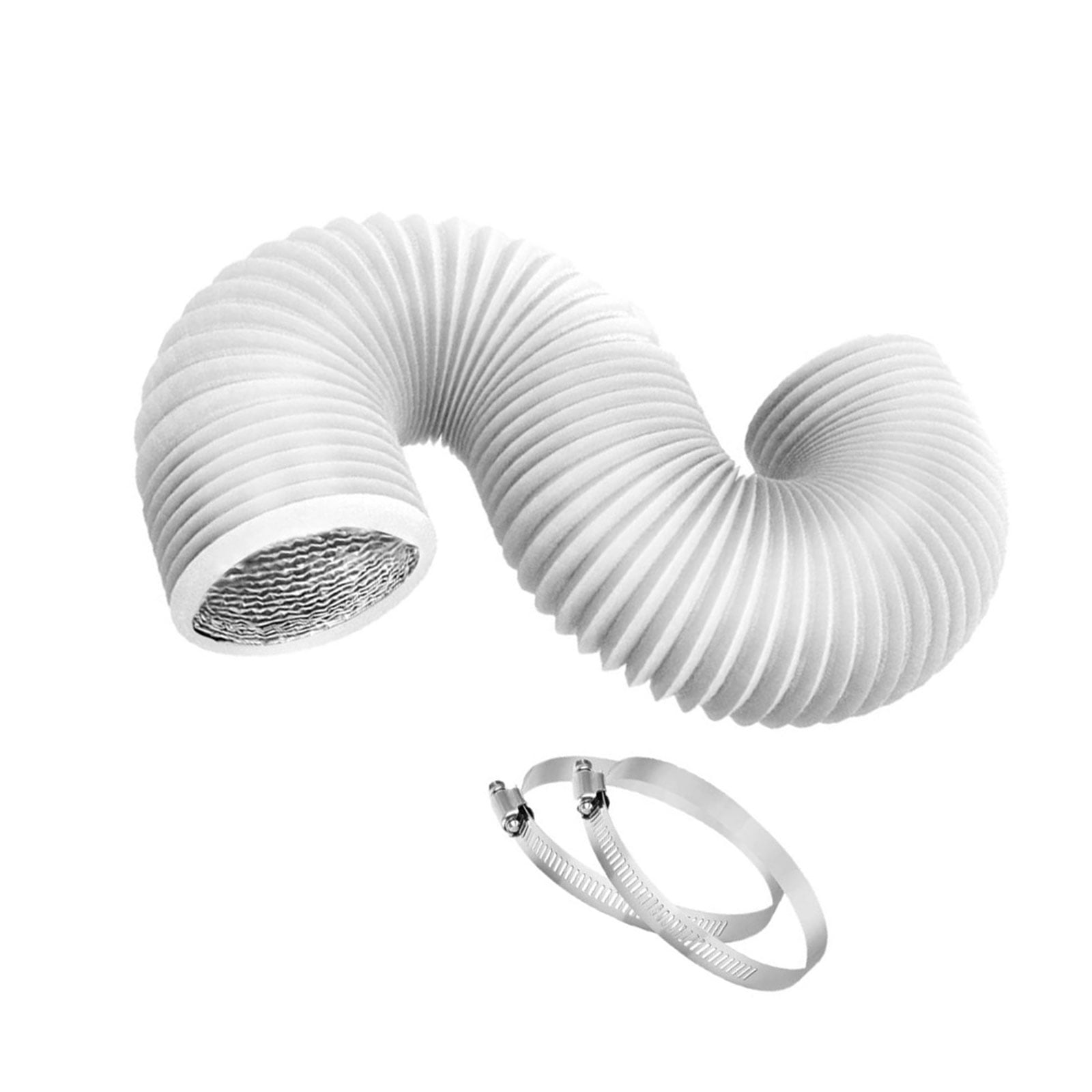
When shopping for a replacement duct for your laundry room, heading to your local retail giant is a convenient and affordable choice. A proper walmart dryer hose connects your clothes dryer to the exterior wall vent, safely exhausting hot, humid air and lint outside. Choosing the wrong material or installing it incorrectly can cause lint buildup, reduce drying efficiency, and even create a severe fire hazard in your home.
Walmart carries a variety of dryer venting products both in-store and online, ranging from flexible aluminum foil ducts to rigid metal pipes. Understanding the differences between these options helps you select the right product for your specific laundry room setup and local building codes.
Types of Dryer Hoses Available at Walmart
Not all dryer ducts are created equal. Depending on the layout of your laundry space and how close your dryer is to the wall, you will need to choose from specific material categories.
Semi-Rigid Aluminum Ducts
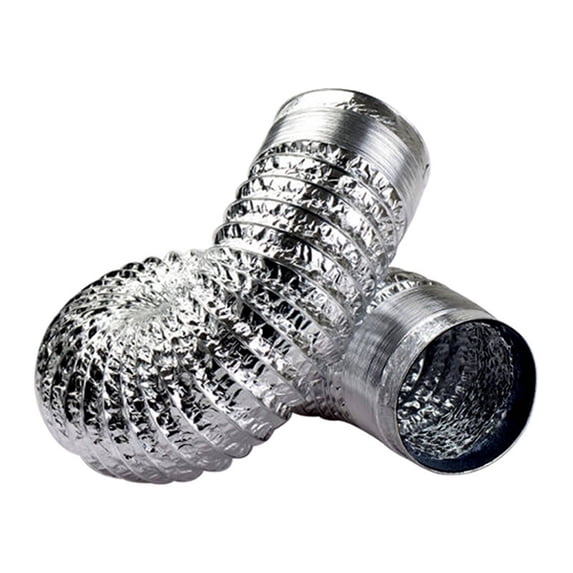
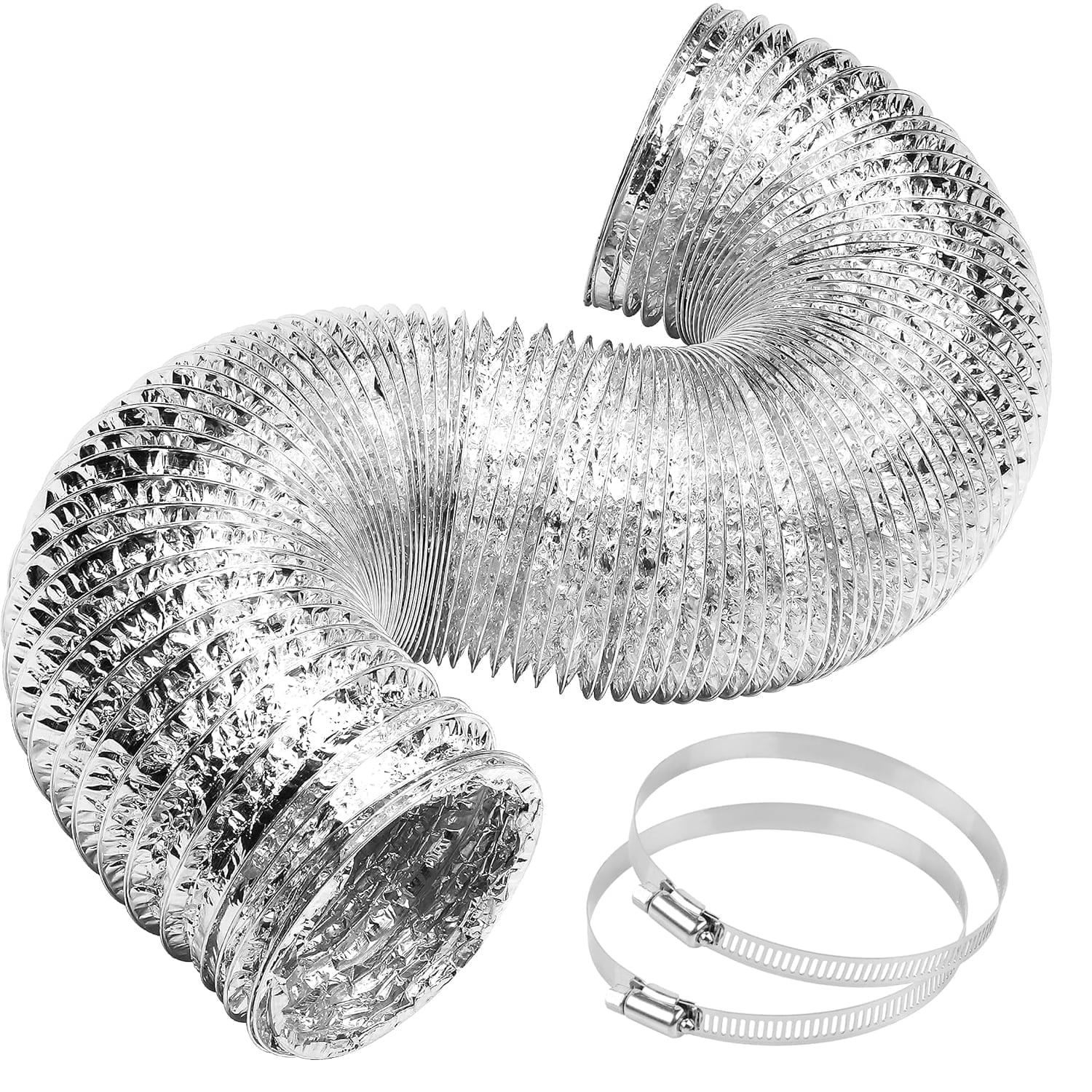
Semi-rigid aluminum ducts are among the most popular options found at major retailers. They are made of heavy-duty aluminum that can be bent and shaped to fit tight spaces behind the appliance. Unlike thin plastic or foil alternatives, semi-rigid aluminum offers a smoother interior surface, which prevents lint from catching easily. They are code-compliant in most jurisdictions for electric and gas dryers.
Flexible Foil and Plastic Hoses
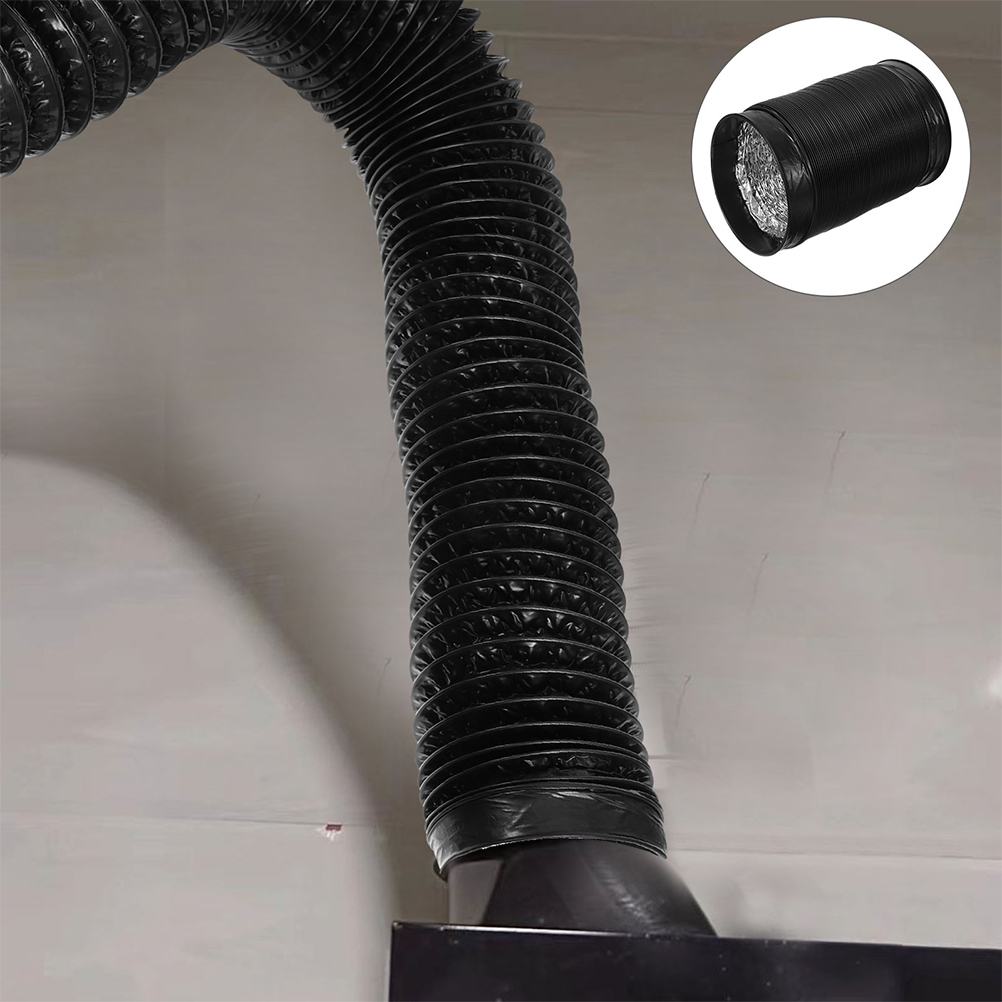
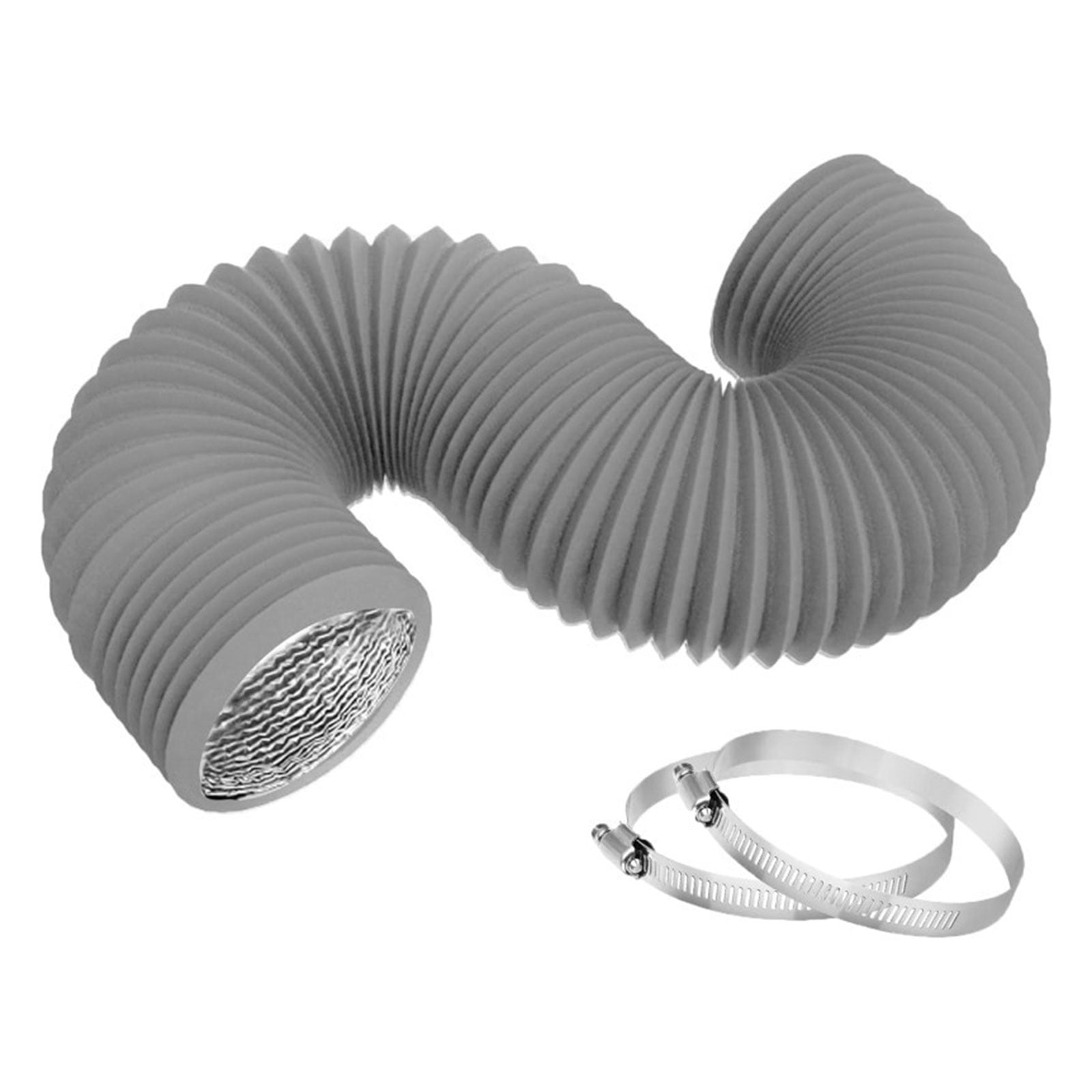
You may encounter flexible white vinyl or thin foil laminate ducts while browsing. While these are inexpensive and extremely flexible, building codes and safety experts strongly discourage their use. Thin plastic and foil hoses easily sag, trap lint, and pose a massive fire risk because they melt quickly under high heat. Always check local fire codes before purchasing a flexible plastic duct.
Video: Dryer Vent Hose Simple Replacement.
Rigid Metal Ducting
For the safest and most efficient airflow, rigid galvanized steel or aluminum pipe is the gold standard. While harder to install because they do not bend easily, rigid metal pipes offer zero ridges on the interior. This minimizes friction and prevents lint accumulation almost entirely. If your dryer runs in a straight line to the outside wall, rigid ducting is your best bet.
Key Factors to Consider Before You Buy
Before purchasing a dryer connector kit, measure your space and check your appliance specifications to ensure a seamless installation process.
- Diameter Size: The vast majority of residential dryers require a 4-inch diameter hose. Double-check your appliance exhaust port before buying.
- Length Requirements: Measure the distance from the back of the dryer to the wall vent, adding a little extra slack so you can pull the appliance out for cleaning without disconnecting the duct. Avoid buying a hose that is excessively long, as extra bends and loops restrict airflow.
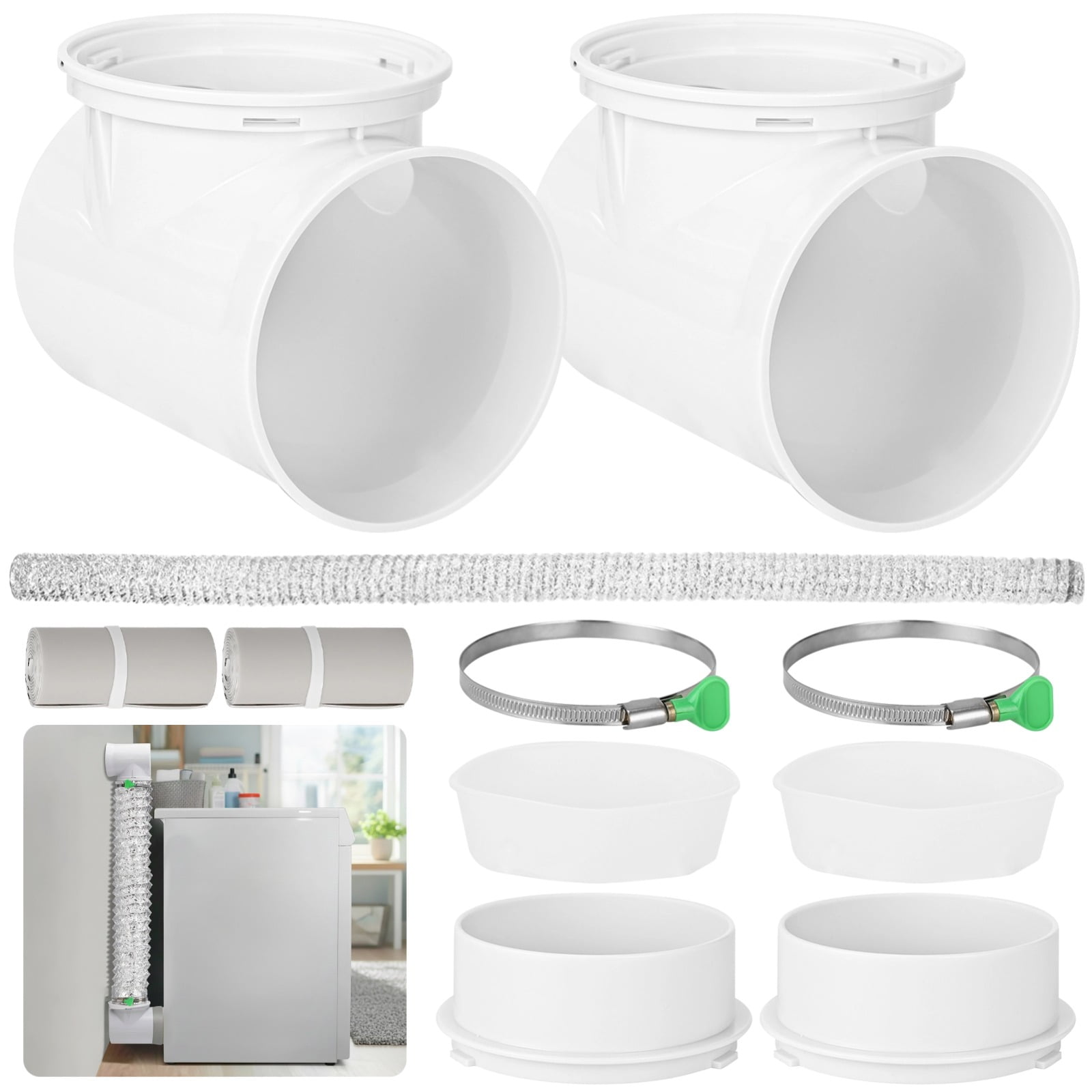
- Connector Kits: Many Walmart options come bundled with metal worm-gear clamps, making it easier to secure the duct tightly to both the dryer and the wall.
How to Install Your New Dryer Hose Safely
Proper installation ensures your dryer runs efficiently, cutting down drying times and saving on your monthly electricity bill. Follow these step-by-step instructions for a secure setup.
- Disconnect the Appliance: Unplug your electric dryer or shut off the gas supply valve before moving the machine. Pull the dryer carefully away from the wall to access the exhaust port.
- Clean Out Old Lint: Use a vacuum attachment or a specialized dryer vent brush to clean out any trapped lint inside the exhaust pipe and the wall opening. A clean starting point is crucial for safety.
- Attach the Hose to the Dryer: Slide the end of the new aluminum duct over the dryer's exhaust port. Secure it tightly using a heavy-duty metal clamp. Tighten the screw with a screwdriver or nut driver until the hose cannot be pulled off easily. Avoid using duct tape, as it degrades over time under heat.
- Position the Dryer Carefully: Push the appliance back toward the wall, taking care not to crush, kink, or pinch the duct. If the hose is severely bent, your dryer will work twice as hard, leading to overheating.
- Secure the Wall Connection: Connect the other end of the duct to the wall outlet pipe, securing it with a second metal clamp.
- Test the System: Turn on your dryer on an air-fluff or low-heat cycle and go outside to verify that air is actively blowing out of the exterior wall vent flap.
Maintenance Tips for Optimal Airflow
Even with a high-quality aluminum duct, regular maintenance remains essential for household safety. Clean the lint trap inside your dryer after every single load of laundry. Additionally, inspect the duct behind the machine at least once a year to check for trapped lint, tears, or loose connections. Keeping your venting system clean prevents dangerous dryer fires and extends the lifespan of your appliance.