Walton County Prison's Toxic Culture: Whistleblowers Risk Everything
Behind the razor wire and reinforced concrete of correctional facilities, public visibility drops to near zero. What happens inside depends almost entirely on internal leadership, regulatory oversight, and the integrity of staff on the ground. Yet, across correctional facilities nationwide, institutional rot frequently takes root when oversight fails. In conversations surrounding modern correctional reform, Walton County Prison's toxic culture: whistleblowers risk everything to expose systemic abuse, unsafe working environments, and deliberate cover-ups that endanger both staff and incarcerated individuals.

When correctional officers, healthcare professionals, or administrative personnel decide to speak out against abuses within prison walls, they face immense hurdles. In isolated facilities like those in Walton County, institutional loyalty often supersedes statutory duty, creating an environment where truth-telling is treated as treason.
The Anatomy of Institutional Rot Behind Bars
A toxic culture within a prison rarely develops overnight. Instead, it forms gradually through sustained neglect, chronic understaffing, and leadership that prioritizes public relations over operational ethics. In Walton County, observers and former staff have pointed to severe warning signs that indicate deep organizational distress:
- Critical Staffing Shortages: Officers are routinely mandated to work grueling double shifts. Severe fatigue compromises judgment, increases short tempers, and heightens the likelihood of excessive force incidents.
- Normalization of Deviance: Protocol violations, skipped safety checks, and undocumented disciplinary measures transition from rare exceptions into standard operating procedures.
- Medical and Mental Health Neglect: Incarcerated individuals facing acute psychological distress or chronic illness frequently encounter indifference or delayed interventions, leading to preventable crises.
- Pervasive Contraband Pipelines: When compensation is low and supervision is lax, underground economies flourish, often involving compromised personnel who operate with impunity.
Walton County Prison's Toxic Culture: Whistleblowers Risk Everything
For officers and civilian staff who enter corrections with a commitment to public safety, confronting this reality creates an acute ethical crisis. Exposing internal corruption is far more dangerous than simply filing a human resources complaint. Within Walton County Prison's toxic culture: whistleblowers risk everything—their careers, personal safety, psychological well-being, and community standing.
The code of silence—often termed the "gray wall"—operates as an unwritten enforcement mechanism. When an employee documents excessive force, reports contraband smuggling by colleagues, or flags medical falsification, the facility's internal defense mechanisms immediately activate against the messenger.
Methods of Whistleblower Retaliation
Retaliation inside correctional facilities is sophisticated and targeted. Insiders who report wrongdoing frequently report common patterns of reprisal:
- Endangerment Through Delayed Backup: In a high-security prison, an officer’s life depends on rapid assistance. Whistleblowers report distress calls being met with deliberate delays by hostile coworkers, creating lethal vulnerabilities.
- Constructive Discharge and Shift Punishments: Troublemakers are reassigned to the most hazardous housing blocks, stripped of preferred shifts, or subjected to relentless, frivolous internal affairs investigations.
- Blacklisting and Career Sabotage: Negative performance reviews, fabricated disciplinary infractions, and whispers to neighboring agencies guarantee that an outspoken officer cannot secure employment elsewhere in law enforcement.
- Social Ostracization: In rural or tight-knit counties, social connections overlap heavily with correctional employment. Whistleblowers and their families often face alienation within their own towns.
Documented Patterns of Concealment and Falsification
A central feature of dysfunctional correctional facilities is the systematic manipulation of records. Independent audits and investigative reports into county facilities across the region repeatedly reveal a stark contrast between official logbooks and physical reality.
Use-of-force incidents are frequently reclassified or omitted entirely. In incidents where an inmate sustains serious injury, narratives are coordinated among staff to present excessive physical intervention as necessary defensive action. Surveillance cameras suffer from unexplained "blind spots" or equipment failures during critical encounters, leaving independent investigators with little more than conflicting testimonies.
For healthcare providers inside the facility, pressure to sign off on incomplete medical clearances or downplay obvious signs of trauma creates severe professional liability. When medical professionals push back against correctional command staff, they are frequently replaced or frozen out of operational discussions, leaving inmates without adequate advocacy.
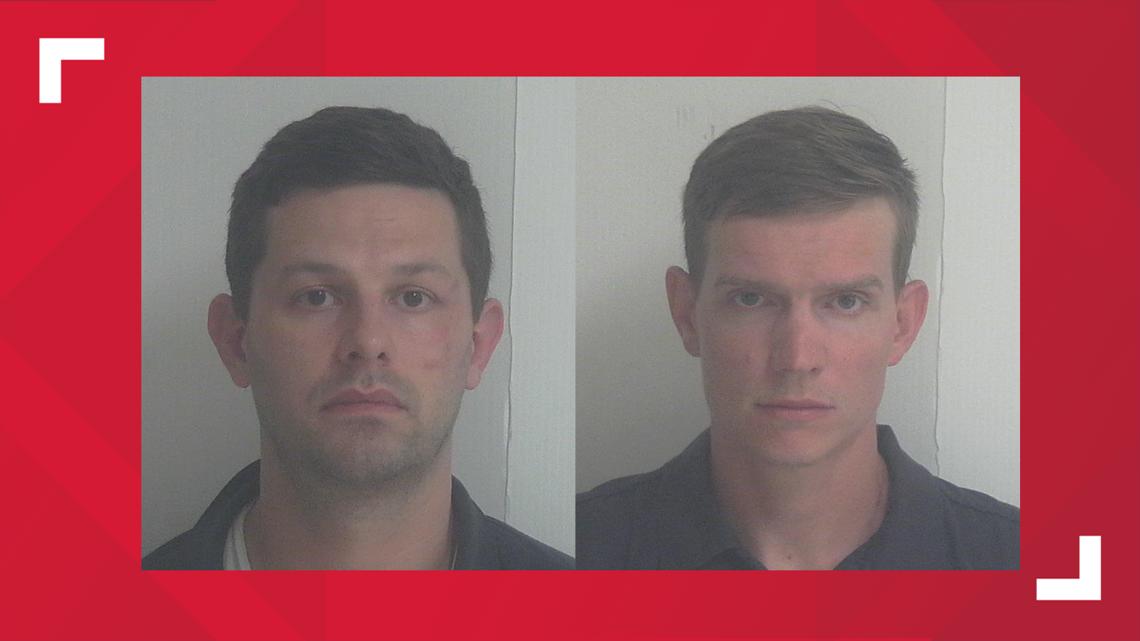
Video: Former Walton County jail employee accused of sexual misconduct with inmate

The Real Human Toll of Institutional Silence
The consequences of a corrupt institutional culture extend far beyond administrative friction. They directly degrade human lives on both sides of the cell doors.
Impact on Incarcerated Individuals
Prisons are intended to uphold the rule of law and facilitate rehabilitation. When inmates witness staff violating rules with impunity, it reinforces cynicism, breeds resentment, and elevates tension across the compound. Excessive force and medical deprivation result in severe trauma, lifelong physical disability, and in the worst cases, wrongful deaths that could have been prevented by honest reporting.
Impact on Law-Abiding Officers
The vast majority of correctional staff want to perform their duties professionally and return home safely. However, a toxic culture forces them into an impossible dynamic: comply with corrupt practices or risk becoming a target. This constant ethical stress drives unprecedented rates of post-traumatic stress disorder (PTSD), substance abuse, and suicide among correctional personnel, worsening the staffing crisis in a destructive feedback loop.
Legal Obstacles Facing Prison Whistleblowers
While federal and state whistleblower protection acts exist on paper, their practical application in correctional environments remains deeply flawed. Proving that an adverse employment action was direct retaliation for protected whistleblowing requires extensive documentation, legal representation, and months or years of litigation.
Correctional agencies frequently justify terminations or disciplinary measures by citing minor technical infractions that are normally ignored for compliant staff. Furthermore, internal affairs divisions often report directly to the leadership being investigated, creating an unavoidable conflict of interest that discourages outside reporting to the Department of Justice or state law enforcement authorities.
Paths Toward True Accountability and Structural Reform
Dismantling a entrenched culture of secrecy requires intervention far beyond internal memos or procedural tweaks. Meaningful reform inside Walton County requires structural, external pressure:
- Independent Civilian Oversight: Facilities must be subject to unannounced inspections by independent ombudsmen with unfettered access to inmates, staff, records, and surveillance feeds.
- Direct Whistleblower Reporting Lines: Staff must have access to reporting mechanisms that bypass local administrative chains of command, routing directly to state attorneys general or federal investigators.
- Universal Body-Worn Cameras: Comprehensive camera mandates with secure, cloud-hosted footage prevent selective editing and eliminate off-camera abuse.
- Rigorous Prosecution of Retaliation: Administrators and officers who actively endanger or retaliate against whistleblowers must face criminal charges and decertification, not merely administrative reassignment.
Conclusion
Prisons cannot function as constitutional institutions when operating in darkness. The events inside Walton County serve as a sobering reminder that without robust oversight, correctional facilities become fiefdoms of unchecked authority. Those courageous few who break ranks to report misconduct are vital safeguards of public integrity. Protecting whistleblowers is not simply an issue of employee rights—it is the prerequisite for justice, public safety, and basic human decency within the penal system.