Warrant List in Lansing, MI: How to Check & Resolve
Discovering that you or someone you know might have an active police order can be stressful. If you are searching for a warrant list in Lansing, MI, it is essential to approach the situation carefully, accurately, and with a clear understanding of local law enforcement procedures. Lansing spans primarily across Ingham County, though portions reach into Eaton and Clinton counties, meaning your search depends heavily on the specific court that issued the order.

Understanding Warrants in Lansing, MI
Before searching for a warrant list in Lansing, MI, it helps to understand the two most common types of warrants issued by local courts:
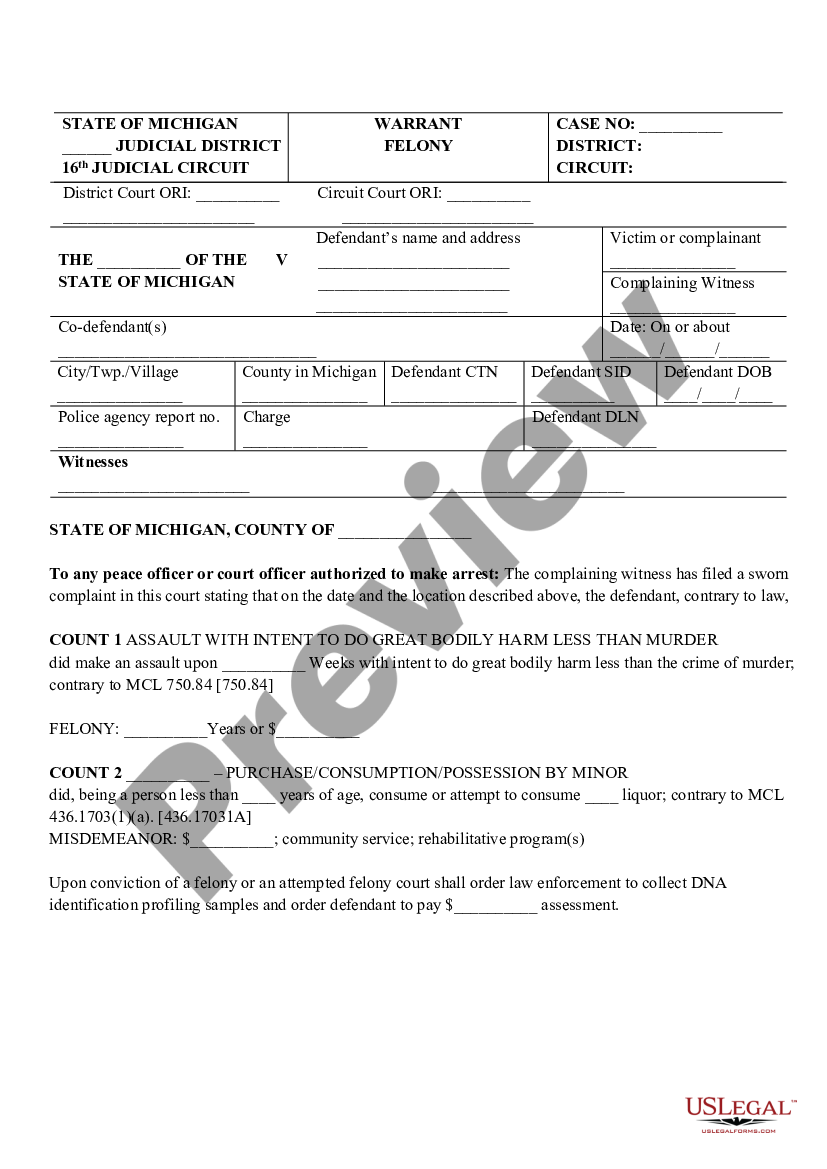
- Bench Warrants: These are typically issued by a judge when an individual fails to appear in court for a scheduled hearing, fails to pay fines, or violates the terms of their probation.
- Arrest Warrants: These are issued by a judge or magistrate after law enforcement presents evidence that a crime has been committed and that a specific individual likely committed it.
In the Lansing area, warrants originate from either the 54A District Court (handling misdemeanors, traffic violations, and preliminary felony hearings within the city) or the 30th Judicial Circuit Court (handling felonies and civil matters across Ingham County).
How to Check for Active Warrants
Finding accurate, up-to-date information regarding an active warrant requires utilizing official municipal and county channels. Avoid third-party background check websites that demand payment, as their data is often outdated.
Check the 54A District Court Online or By Phone
Video: Lansing police give opportunity for those with felony warrants to avoid arrest

Because the 54A District Court handles most local citations and misdemeanor offenses in Lansing, checking their database is often the best first step.
- Visit the official City of Lansing website to access the 54A District Court case lookup tool.
- Search using your legal name and date of birth to see if there are open cases or pending court dates.
- Call the court clerk's office directly during business hours. Be polite and ask if there are any active bench warrants tied to your name or case number.
Contact Ingham County Sheriff and Court Records
If the offense is a felony or if your case falls outside city limits into greater Ingham County, you may need to check county resources:
- Contact the Ingham County Sheriff's Office non-emergency line. While they generally will not confirm warrants over the phone for security reasons, they can guide you on how to appear in person safely.
- Visit the 30th Judicial Circuit Court records department in Mason, Michigan, to perform an in-person public record search.
What to Do If You Have an Active Warrant
Finding your name on a warrant list can trigger panic, but ignoring the issue will only make matters worse. Warrants do not expire, and getting pulled over for a minor traffic stop can result in an immediate, inconvenient trip to jail.
- Stay Calm and Avoid Confrontation: Do not panic or attempt to flee if law enforcement contacts you. Cooperate respectfully.
- Consult a Defense Attorney: A local Lansing criminal defense lawyer can evaluate your situation, contact the court on your behalf, and often negotiate a voluntary surrender or a motion to set aside the bench warrant without a dramatic arrest.
- Turn Yourself In Proactively: Voluntary appearance looks much better to a judge than being arrested on the highway. Many Lansing judges appreciate proactive steps and may recall a bench warrant immediately if you show up voluntarily to reschedule a missed court date.
- Bring Documentation: If your warrant stems from a missed court date due to a medical emergency or a missed payment due to hardship, bring physical proof (medical bills, pay stubs) to present to the magistrate or judge.
Clearing a Bench Warrant in Lansing
For minor bench warrants related to unpaid traffic tickets or missed arraignments, the 54A District Court often holds designated walk-in dockets. By appearing early in the morning when the court opens, you can often address the warrant on the same day, enter a plea or set a new trial date, and avoid spending time in the county detention center. Always call the court clerk beforehand to confirm their current walk-in availability and policies.