Warren Beatty’s $200 Million Fortune: From Stardom to Financial Power!
When people think of Hollywood royalty, names like Cary Grant, Paul Newman, and Robert Redford immediately come to mind. Yet, few actors managed their careers with the rare combination of artistic control and sharp business acumen demonstrated by Warren Beatty. Long before modern movie stars routinely negotiated backend profits and executive producer credits, Beatty was masterminding his own projects. Today, Warren Beatty’s $200 Million Fortune: From Stardom to Financial Power! stands as a testament to decades of careful artistic choices, strategic contract negotiations, and a lifelong aversion to wasting capital.
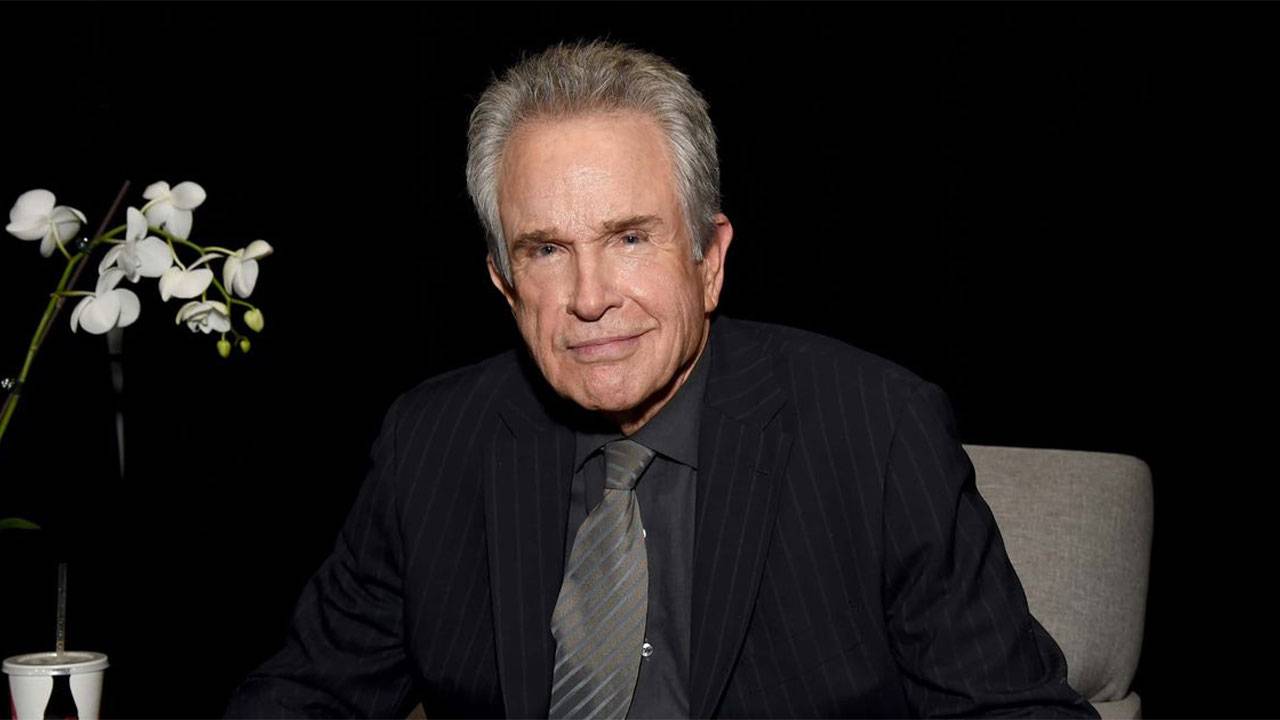
While many of his contemporaries watched their wealth fluctuate wildly due to lavish spending and bad investments, Beatty maintained a steady trajectory. He combined the allure of a leading man with the discipline of a studio mogul, proving that longevity in Hollywood requires far more than just a memorable screen presence.
The Golden Era of Stardom and Blockbuster Salaries
Warren Beatty burst onto the international film scene in the early 1960s, quickly transitioning from television to the silver screen. His breakout role in Elia Kazan’s 1961 drama Splendor in the Grass established him as a brooding, magnetic presence. However, Beatty was never content to simply take orders as a hired-gun actor. He understood early on that true financial power in the entertainment industry belonged to those who controlled the underlying intellectual property and production processes.
Transitioning to Producer and Director
Beatty’s pivot into producing was the catalyst for his immense wealth accumulation. In 1967, he co-produced and starred in Bonnie and Clyde. Facing initial resistance from studio executives who doubted the film's violent tone, Beatty took a massive gamble: he deferred his upfront salary in exchange for a substantial percentage of the film's gross profits. This decision changed his financial life forever.
- High-Stakes Risk: Deferred salaries allowed Beatty to secure ownership stakes in his films.
- Box Office Explosions: Bonnie and Clyde became a cultural phenomenon and a massive financial success, netting Beatty millions when studios expected the film to flop.
- Complete Creative Control: Owning the projects meant Beatty could hire the best cinematographers, writers, and editors without studio interference.
This blueprint was repeated throughout his career. With films like Shampoo (1975) and Heaven Can Wait (1978), Beatty consistently negotiated deals that ensured he captured a significant share of the upside, building the foundation of his modern empire.
Directorial Triumphs and Academy Awards
Video: At 80, Warren Beatty Finally Admits What Really Happened With His Co-Stars
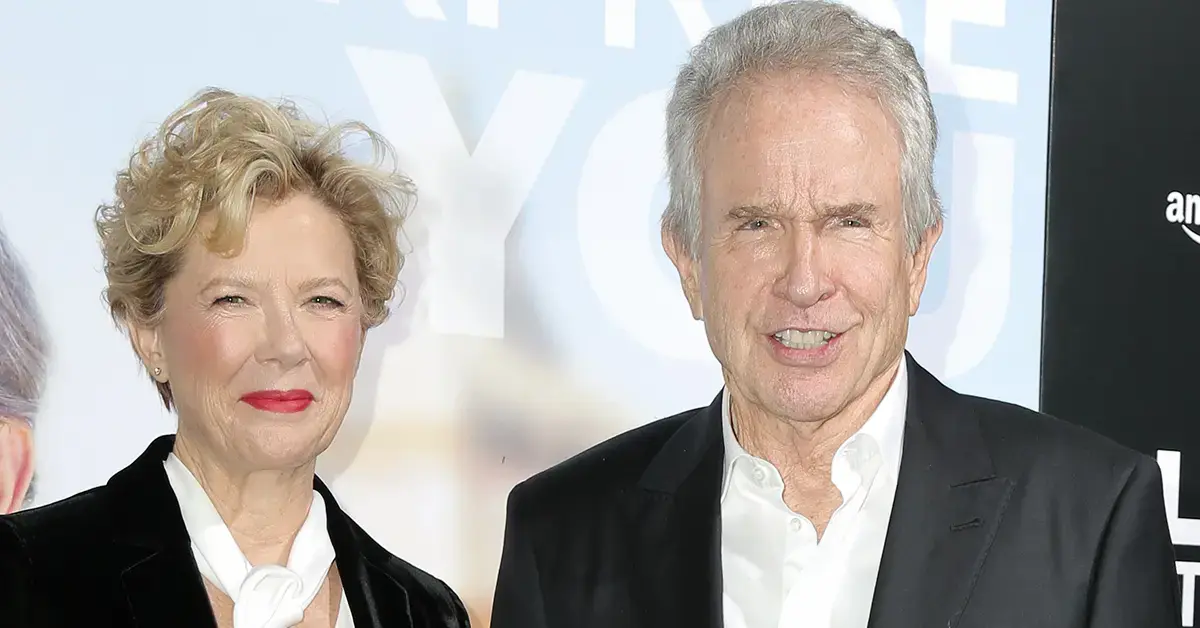
As Beatty's career matured, his ambition expanded behind the camera. He directed, co-wrote, and starred in 1981’s Reds, an epic historical drama about American journalist John Reed. The film was a grueling, multi-year endeavor that demanded immense financial and emotional investment. It paid off handsomely, earning Beatty the Academy Award for Best Director and cementing his reputation as a cinematic auteur.
Critically acclaimed and commercially viable films like Reds generated substantial residual income over decades. Furthermore, Beatty’s cultural cachet allowed him to command top-tier salaries whenever he did choose to step into other directors' projects, such as his role as the title character in 1990’s visually stunning adaptation of Dick Tracy.
Real Estate and Disciplined Wealth Management
Beyond the film sets, Warren Beatty’s financial power was heavily reinforced by smart real estate holdings. Unlike celebrities who constantly buy and sell sprawling mansions at a loss, Beatty historically approached real estate as a long-term store of value. His primary residences in Beverly Hills and Los Angeles appreciated exponentially over the decades.
Coupled with his notoriously private personal life—which kept him out of the tabloids for costly legal battles or erratic spending sprees—Beatty preserved his capital. He avoided the common pitfalls of divorce settlements and lifestyle inflation that have drained the fortunes of many golden-era icons. By living relatively quietly when not working, his baseline expenses remained low while his investment portfolios compounded.
The Legacy of Hollywood's Smartest Businessmind
Today, Warren Beatty’s $200 million fortune reflects a masterclass in career longevity. He proved that an actor does not need to star in a new franchise film every six months to remain wealthy. Instead, by choosing projects selectively, demanding ownership stakes, and guarding his privacy, Beatty built an enduring financial legacy.
For aspiring filmmakers and actors, Beatty remains a gold standard. He demonstrated that artistic integrity and financial success do not have to be mutually exclusive; in fact, when handled with Beatty’s keen intelligence, they can reinforce each other to create a lasting empire.


