Was Justice Served in the Robert Hansen Case?
Introduction to the Butcher Baker

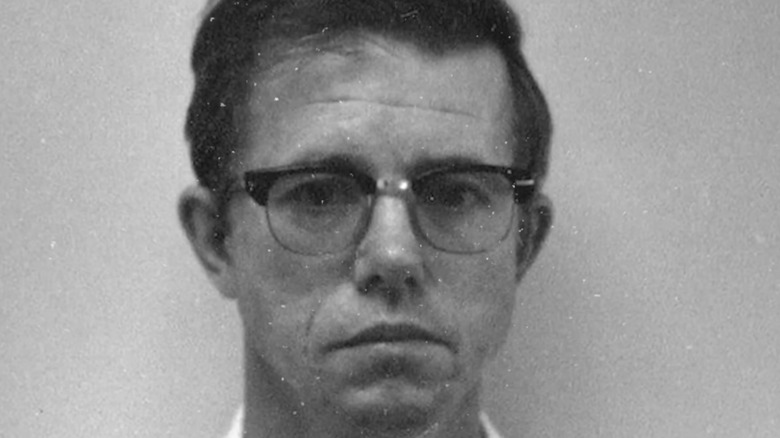
During the late 1970s and early 1980s, the scenic wilderness of Anchorage, Alaska, concealed a nightmare. Robert Hansen, a seemingly mild-mannered bakery owner and devoted family man, operated as one of American history's most calculated serial predators. Known chillingly as the "Butcher Baker," Hansen abducted at least 37 women—predominantly dancers and sex workers—flew them to remote areas in his private airplane, and hunted them for sport.
When authorities finally arrested him in 1983, the resulting confession and subsequent conviction brought a measure of closure to a terrified community. However, decades later, legal experts, victims' families, and true crime historians still grapple with a central question: Was justice served in the Robert Hansen case? You decide.
The Crimes and the Investigation
Hansen’s reign of terror went unchecked for over a decade due to a combination of police bias, his own cunning, and the vulnerable status of his victims. Many of the women he targeted were marginalized individuals who drifted in and out of Anchorage. When they vanished, investigations were often cursory or deprioritized.
The turning point arrived in 1983 when an 18-year-old victim named Cindy Paulson managed to escape from Hansen’s home. She contacted the Anchorage Police Department, providing a harrowing account of her abduction, captivity, and assault. Although local police initially struggled to secure a conviction based solely on her testimony, Alaska State Trooper Sgt. Glenn Flothe recognized patterns linking Paulson's story to several unsolved missing persons and homicide cases across the state.
The Breakthrough and Evidence
Armed with a search warrant, investigators searched Hansen’s home, vehicle, and airplane. They uncovered:
- Jewelry and personal effects belonging to missing women.
- A cache of firearms, including a Ruger Mini-14 rifle ballistically matched to bullets recovered from victims' remains.
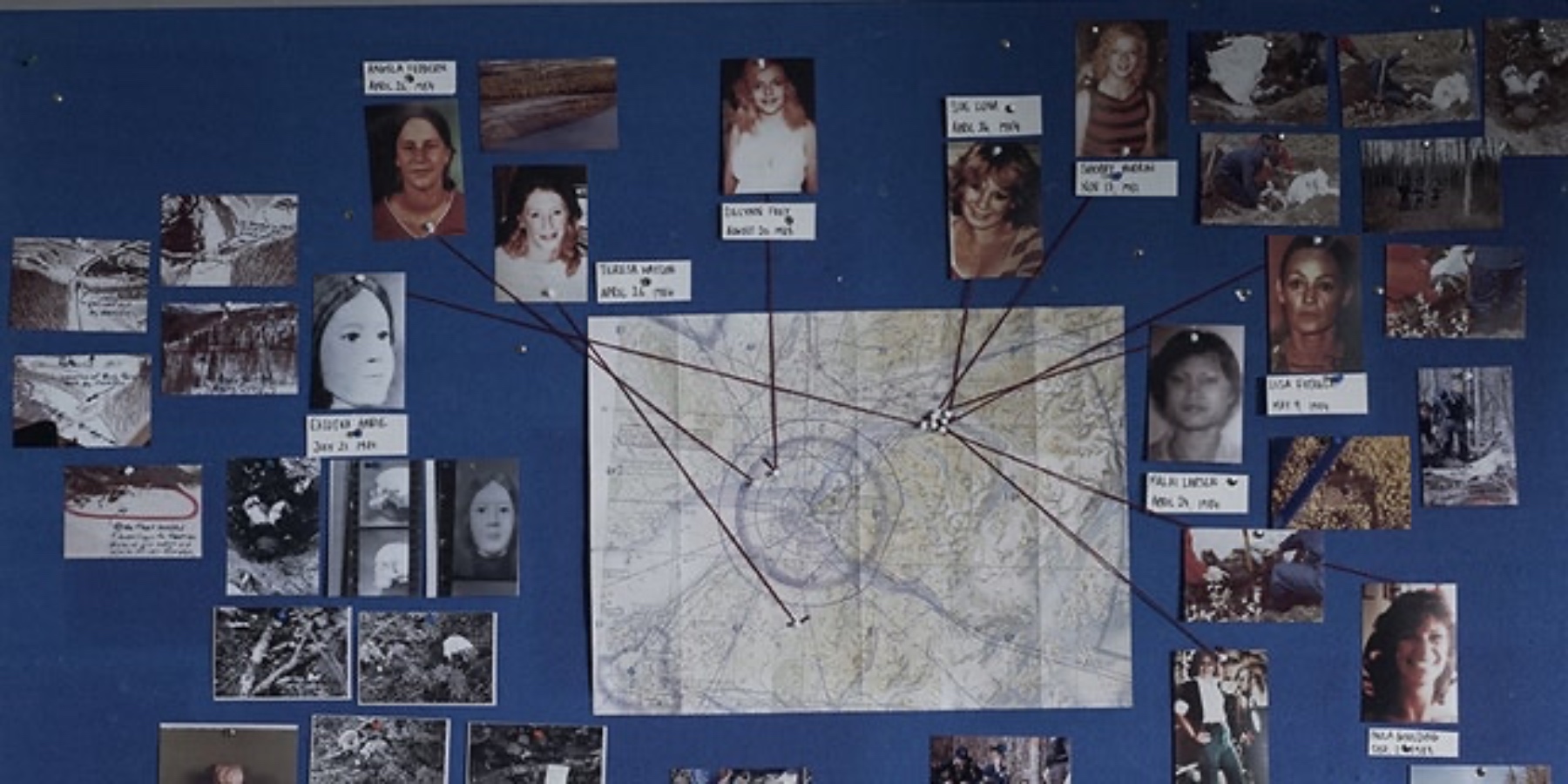
- An aviation map annotated with handcrafted marks, which Hansen later confessed represented the exact locations where he had buried his victims.
The Plea Bargain: Deal with the Devil?
Faced with overwhelming forensic evidence and the testimony of survivors, Hansen’s defense team realized a trial would result in multiple murder convictions. Rather than subjecting the state to a protracted trial and putting the victims' families through agonizing testimony, prosecutors offered a controversial plea agreement.
Video: The Killer Baker: The Complete STORY of Robert Hansen, Alaska's "Butcher Baker" | True Crime

In exchange for pleading guilty to four specific murders (those of Joanna Messina, Sherry Morrow, Sue Luna, and an unidentified victim known only as "Eklutna Annie"), prosecutors agreed not to charge him with the remaining murders he confessed to. Furthermore, Alaska did not have the death penalty at the time, but the plea deal ensured that Hansen would spend the remainder of his life in maximum-security prison without the possibility of parole.
In February 1984, a judge sentenced Robert Hansen to 461 years plus life imprisonment, ensuring he would never walk free again.
Arguments That Justice Was Served
Supporters of the legal outcome in Hansen’s case point to several pragmatic factors that validate the plea agreement:
- Guaranteed Incarceration: Trials are inherently unpredictable. A plea deal guaranteed that a dangerous predator was permanently removed from society without the risk of a hung jury or acquittal on technicalities.
- Recovery of Remains: As part of the bargain, Hansen cooperated with Sgt. Flothe, leading investigators to the remote gravesites of multiple victims. This allowed grieving families to finally receive closure and properly bury their loved ones.
- Spared Trauma: A full trial would have forced survivors and victims' families to relive the most traumatic moments of their lives under intense media scrutiny.
Arguments That Justice Fell Short
Conversely, many critics argue that the plea deal represented a compromise that favored administrative convenience over absolute accountability. The primary arguments against the fairness of the outcome include:
- Lack of Full Accountability: Hansen confessed to killing 17 women and raping many more, yet he was only formally convicted of four murders. For the families of the other victims, the state essentially promised not to prosecute their loved ones' killers.
- Avoiding the Full Weight of the Law: Critics argue that a serial killer who terrorized a community for over a decade deserved to face every single charge, rather than receiving legal concessions.
- Public Closure Denied: Because the case was resolved via a plea confession rather than a public trial, many details of how systemic failures allowed Hansen to operate unchecked for so long remained obscured from public scrutiny.
The Legacy of Robert Hansen
Robert Hansen died in prison in 2014 at the age of 75, having spent three decades behind bars at the Spring Creek Correctional Center in Seward, Alaska. His crimes forever changed how law enforcement handles missing persons cases involving marginalized populations, emphasizing that every human life demands rigorous investigation regardless of social standing.
Ultimately, weighing the certainty of a life sentence against the pain of unprosecuted murders leaves a heavy moral dilemma. Was justice served in the Robert Hansen case? You decide: Did the state achieve the best possible outcome through pragmatic compromise, or did the legal system fail the majority of his victims by denying them their day in court?