Was King Solomon Wealthier Than His Contemporaries?
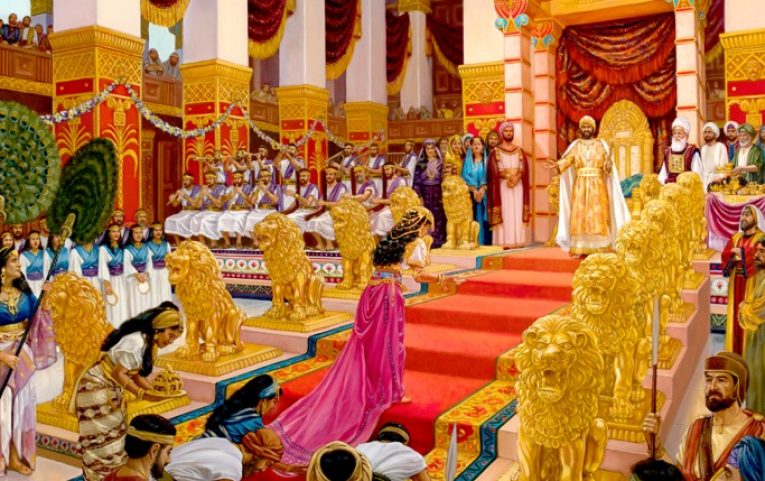
Throughout history, few figures have captured the imagination quite like the biblical monarch of Israel. Tales of his immense wisdom are matched only by stories of dazzling opulence, ivory thrones, and rivers of precious metals. But historical curiosity inevitably begs the question: Was King Solomon Wealthier Than His Contemporaries? Gold Weighs the Answer!
Evaluating the economic status of an Iron Age ruler requires looking beyond religious texts and examining archaeological data, regional trade routes, and comparative economics. Let us examine how the legendary king's treasury stacked up against the superpowers of the ancient Near East.
The Biblical Metric: 666 Talents of Gold
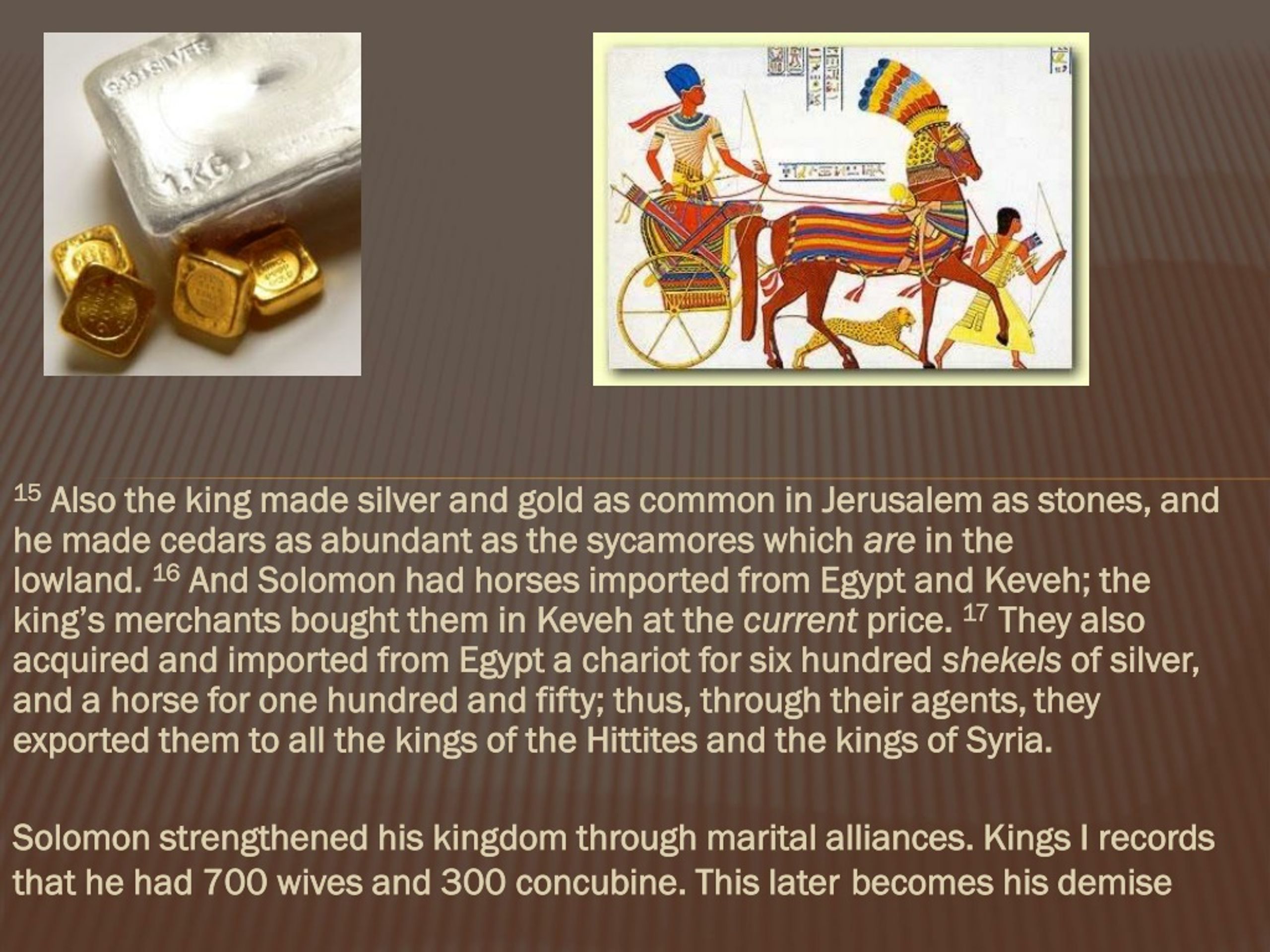
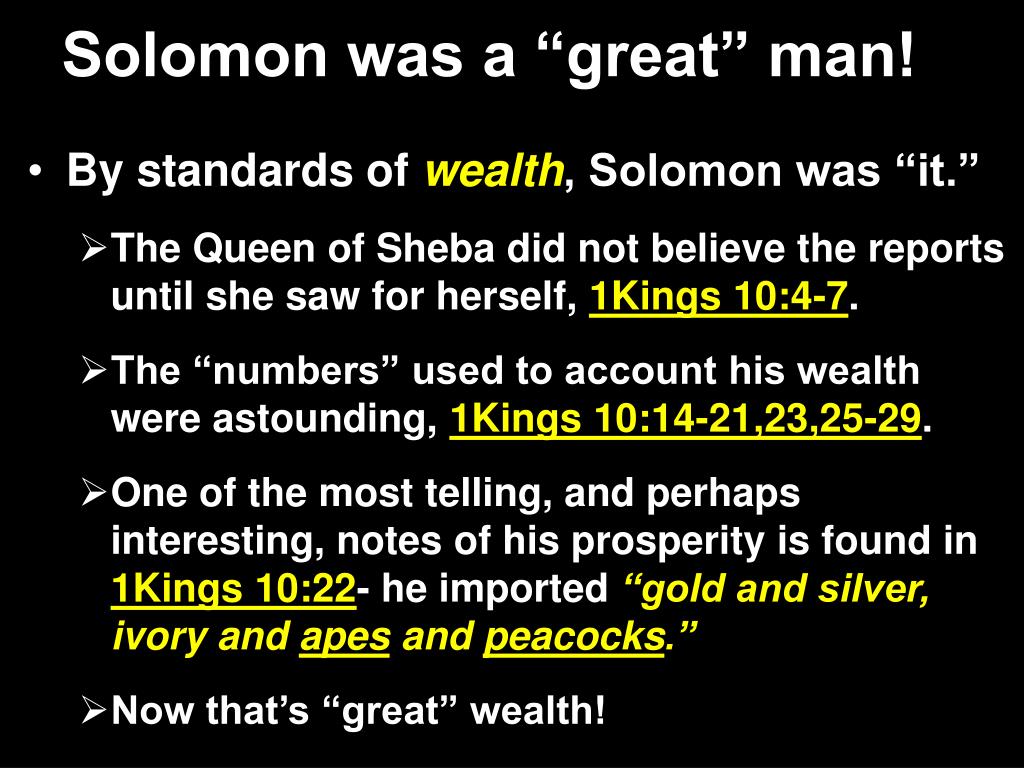
According to the Hebrew Bible, specifically the Book of Kings, Solomon's annual revenue of gold amounted to 666 talents. In modern measurements, a biblical talent is generally estimated to weigh between 75 and 100 pounds. This means the king allegedly brought in roughly 50,000 to 66,000 pounds of gold every single year.
To put this in perspective, modern gold prices value tens of thousands of pounds of the precious metal in the billions of dollars. If these figures are taken literally, Solomon would have commanded an annual cash flow that rivals modern billionaires. However, historians and biblical scholars debate whether these numbers reflect literal accounting, ancient hyperbole, or symbolic perfection.
Superpower Rivals: Egypt and Assyria
To determine if Solomon truly out-earned his peers, we must look at the major empires operating during the 10th century BCE. The primary contemporary players included:
- New Kingdom Egypt: While Egypt had experienced its imperial peak slightly earlier, the Pharaohs still commanded vast mineral wealth from Nubian gold mines.
- The Neo-Assyrian Empire: Though Assyria was in a temporary relative lull during the early 10th century, its administrative apparatus regularly extracted massive tribute from conquered territories.
- The Phoenicians of Tyre: Allied closely with Solomon, the city-state of Tyre was the Mediterranean's premier maritime trading hub, generating immense commercial wealth.
While empires like Egypt and Assyria ruled over vastly larger territories and populations, their wealth was often tied up in massive military campaigns, standing armies, and bureaucratic overhead. Solomon’s kingdom, by contrast, was regional, but its wealth appeared concentrated through strategic trade monopolies.
Control of Strategic Trade Routes
Solomon’s geographic positioning was arguably his greatest financial asset. The United Monarchy sat squarely at the crossroads of major international trade arteries. Caravans traveling from Arabia, Egypt, Mesopotamia, and Phoenicia crossed paths through Israelite territory.
By levying tolls, taxing merchants, and partnering with King Hiram of Tyre on Red Sea maritime expeditions to the mysterious land of Ophir, Solomon funneled foreign capital directly into Jerusalem. This commercial acumen allowed a relatively small nation to accumulate wealth disproportionate to its geographic size.

Archaeological Reality Check
Archaeology provides a sobering counterweight to textual descriptions. In the 10th century BCE, Jerusalem was not yet the sprawling metropolis of later centuries. Excavations in the region suggest a modest administrative center rather than a glittering empire paved entirely in gold.
Furthermore, archaeologists have not uncovered massive hoards bearing Solomon’s name. Scholars like Israel Finkelstein suggest that while the era was prosperous for the region, biblical descriptions likely reflect the theological and literary embellishments of later scribes writing centuries after the fact.
Nevertheless, archaeological finds at sites like Gezer, Hazor, and Megiddo—featuring distinctive six-chambered gates and monumental architecture—demonstrate a centralized state capable of massive public works. This indicates a high level of economic organization and surplus wealth, even if it fell short of global economic domination.
Comparative Wealth: Regional Tycoon vs. Imperial Emperor
So, how does the ledger balance out? Was Solomon truly wealthier than the Pharaohs of Egypt or the Kings of Assyria?
If we measure wealth by absolute landmass, military might, and total state assets, the answer is no. Superpower empires commanded far more resources, slaves, and agricultural yields than a small Levantine kingdom could ever muster.
However, if we measure wealth by disposable revenue per capita and trade-derived capital—specifically liquid gold—Solomon punches well above his weight class. He operated more like a brilliantly positioned billionaire CEO of a boutique enterprise, whereas his imperial contemporaries were massive, debt-laden conglomerates.
Conclusion
The question of whether King Solomon out-wealthed his contemporaries remains a captivating blend of faith, folklore, and archaeology. While literal interpretations of biblical gold shipments may stretch historical plausibility, the underlying reality is clear: Solomon presided over a golden age of trade and strategic diplomacy. He may not have owned the entire ancient world, but his mastery of commerce made him undeniably one of the richest men of his time.