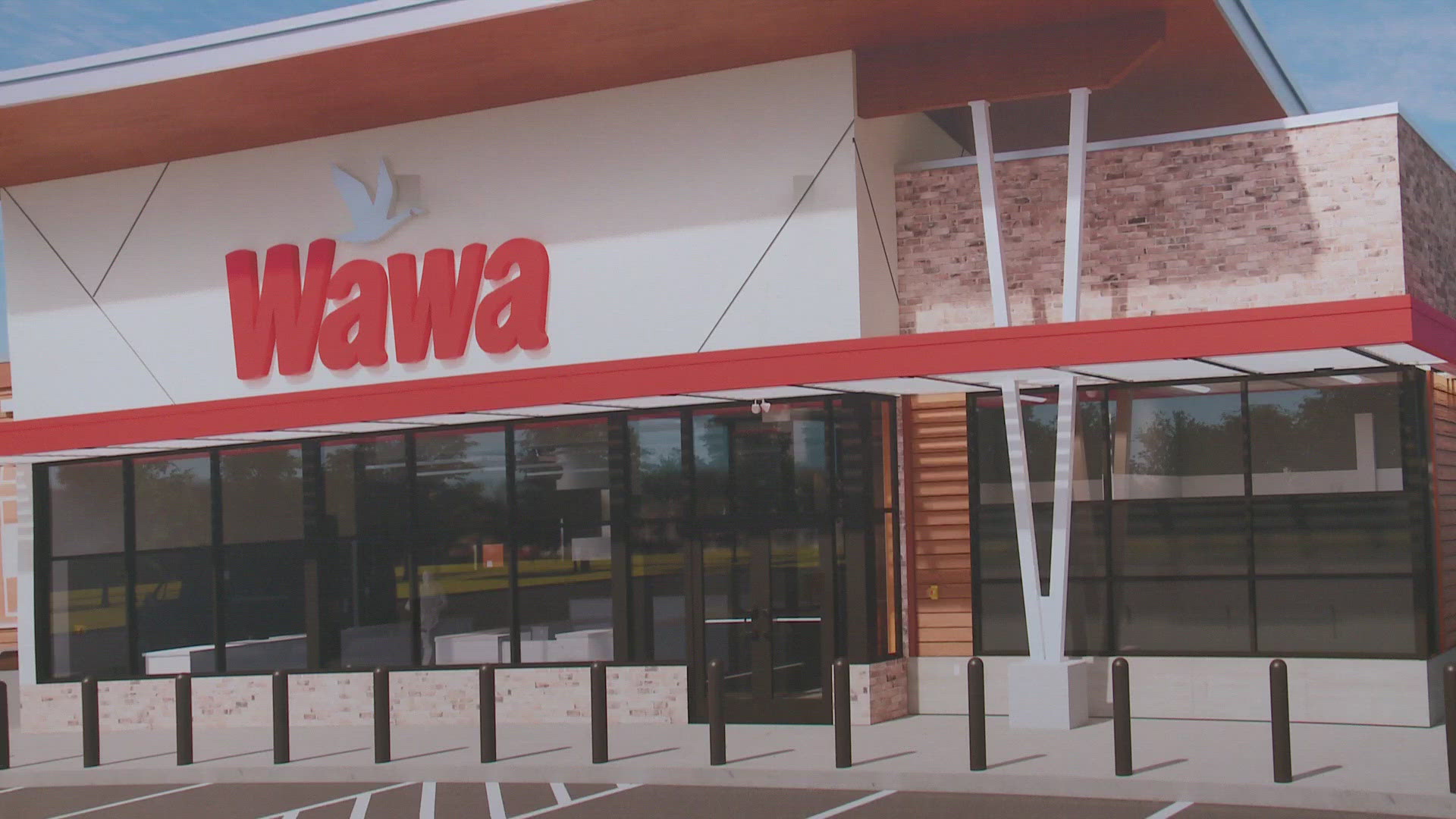
Wawa’s Hidden Owners: The Family Behind the Empire
When people think of Wawa, they usually picture glowing red-and-white signs, late-night hoagies, and freshly brewed coffee. For millions of loyal customers along the East Coast, it is more than just a convenience store; it is a regional institution. Yet, despite its massive footprint and cult-like following, the company remains strictly private. Behind this multi-billion dollar operation stand Wawa’s hidden owners: the family that has quietly guided the brand for over a century.

Unlike publicly traded retail giants that answer to quarterly earnings calls and activist shareholders, Wawa marches to the beat of its own drum. Understanding this beloved brand requires looking past the touch-screen ordering kiosks and exploring the Wood family—the visionary dynasty that built and still controls the enterprise.
A Century-Long Legacy: From Iron Foundry to Dairy Farm
The story of Wawa does not start with coffee or sandwiches. It begins with an iron foundry in New Jersey during the early 19th century. To understand how the family transitioned from heavy industry to dairy and retail, you have to trace their business evolution.
The Wood Family Roots
George Wood, an entrepreneur with a sharp eye for opportunity, acquired a stake in the Wawa Dairy Farm in Delaware County, Pennsylvania, back in 1902. At the time, "Wawa" was a Native American term for the Canada goose, which still serves as the company’s iconic logo. George Wood wanted to provide certified, high-quality raw milk to families in Philadelphia during a era when milk safety was a major public health concern.
The dairy business thrived because the family emphasized quality and trust. By the mid-20th century, however, home-milk delivery began to decline rapidly as refrigerators became standard in American homes and supermarkets expanded. The Wood family faced a critical pivot point: adapt or fade away.
The Birth of the Modern Convenience Store
In 1964, a descendant of the founders, Grahame Wood, made a move that would change the retail landscape forever. He opened the very first Wawa Food Market in Folsom, Pennsylvania. The goal was simple: provide a local retail outlet to sell the dairy farm's excess milk directly to consumers.
Quickly, the concept expanded. The stores began stocking other essential grocery items, and over the decades, Wawa evolved into a pioneer of fresh food convenience. By maintaining private ownership, the family could afford to take long-term risks, such as introducing proprietary coffee blends, touchscreen deli ordering, and eventually, gasoline pumps.
Inside Wawa’s Hidden Owners: The Family Dynamics
Today, Wawa is one of the largest privately held companies in the United States, generating billions in annual revenue across hundreds of locations in Pennsylvania, New Jersey, Delaware, Maryland, Virginia, Florida, and Washington, D.C. Despite this massive scale, the Wood family keeps a notoriously low profile.
How Private Ownership Works
Because Wawa is privately owned, the public cannot buy shares on the stock market. Instead, ownership and governance are tightly held:
- Generational Continuity: Descendants of the original founders maintain significant ownership stakes, passing values and governance down through the generations.
- Employee Ownership (ESOP): It is a misconception that the family owns 100% of the company. Wawa operates a massive Employee Stock Ownership Plan. Employees own a substantial portion of the company, aligning staff success with corporate growth.
- Professional Management: While family members have historically held leadership roles, the company also employs seasoned outside executives to run daily operations efficiently.
This hybrid model—combining family vision with employee ownership—is a rare corporate structure. It fosters a unique company culture that is frequently cited in lists of the best places to work in retail.
Why the Wood Family Keeps a Low Profile
In an era where modern founders and CEOs chase celebrity status, social media followers, and headlines, the Wood family remains remarkably reclusive. You rarely see profile features on family members in lifestyle magazines, and they deliberately avoid the public spotlight.
This discretion is intentional. By avoiding public scrutiny, the family can focus entirely on long-term stewardship rather than short-term public relations. Their strategy centers on community trust, sustainable growth, and maintaining the high standards associated with the Wawa brand name. When leadership focuses on quality rather than pleasing Wall Street analysts, the results speak for themselves through customer loyalty.
The Future of Wawa Under Family Guidance
As Wawa aggressively expands into new markets—particularly in the American Southeast, including Florida and North Carolina—the guiding principles established by the Wood family remain firmly in place. They continue to invest heavily in technology, fresh food innovation, and sustainability initiatives.
Ultimately, Wawa’s hidden owners: the family behind the counter, have proven that a business can scale to massive proportions without sacrificing its local roots. By balancing family heritage with employee empowerment, the Wood family has secured Wawa’s place as an enduring American retail success story.