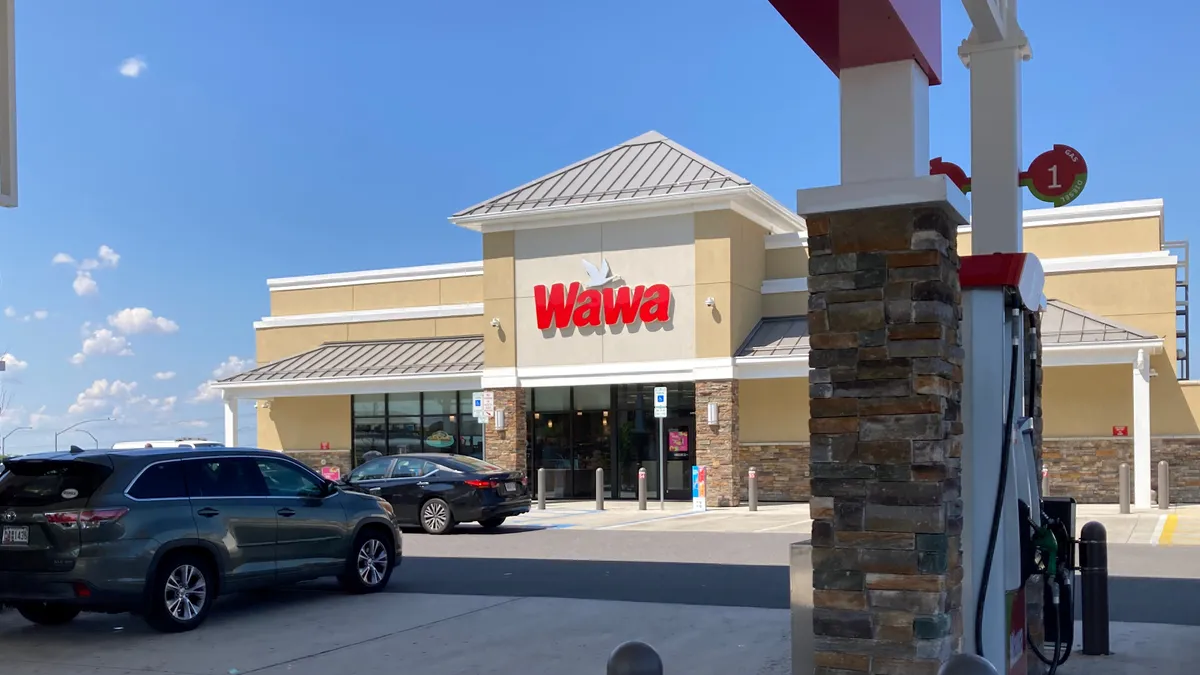
Wawa’s Owner Net Worth: Corporate Success Unpacked
Introduction

When you step into a Wawa for a morning coffee, a custom hoagie, or a late-night snack, you are interacting with one of the most fiercely loyal customer bases in American retail. Beyond the bustling counters and iconic red-and-white goose logo lies a quietly massive business empire. Unlike publicly traded retail giants, Wawa remains deeply rooted in its heritage, controlled by the descendants of its founding family. Understanding Wawa’s owner net worth in detail: what it really means for corporate success! requires looking past Wall Street metrics to examine how private family ownership shapes modern retail strategy.
In this deep dive, we will explore the estimated wealth of the Wood family, the unique structure of private equity versus family-held enterprises, and how Wawa’s financial health translates into unmatched operational stability, employee ownership, and community-driven expansion.
The Wood Family and Wawa’s Owner Net Worth
Unlike publicly traded corporations whose executives boast daily fluctuating stock values on the NYSE or Nasdaq, Wawa is a privately held, family-and-employee-owned company. Because the company does not issue public shares, calculating an exact, real-time figure for Wawa’s owner net worth is complex. However, financial analysts and retail market experts estimate the Wood family’s collective wealth to run well into the billions.
How Wawa Generates Its Massive Valuation
Wawa’s financial power stems from sheer volume, operational efficiency, and real estate ownership. With over 1,000 stores stretching across Pennsylvania, New Jersey, Delaware, Maryland, Virginia, Florida, and Washington, D.C., the company generates billions in annual revenue. Industry estimates place Wawa’s annual sales well above $15 billion, putting it on par with major national restaurant and grocery chains.
- High-Volume Stores: Many Wawa locations generate significantly higher foot traffic and daily transactions than traditional convenience stores due to their proprietary food service menus.
- Strategic Real Estate: Wawa historically owns a substantial portion of the underlying real estate for its store locations, creating a massive asset-backed foundation that protects the company during economic downturns.
- Fuel and Food Synergy: Combining fuel stations with high-margin fresh food and beverage offerings creates a dual-revenue stream that buffers against fluctuating oil prices.
Private Ownership vs. Public Markets
The financial reality behind Wawa’s owner net worth highlights a distinct philosophy in American business. While competitors like 7-Eleven or major fuel chains answer to public shareholders demanding quarterly profit growth, Wawa operates under a long-term vision. This structural difference is the bedrock of the company's enduring corporate success.
Why Staying Private Protects Quality
Video: The Secret of Wawa's 50 Years of Success

Publicly traded companies often face intense pressure to cut labor costs, reduce ingredient quality, or halt long-term investments to meet quarterly earnings estimates. Because the Wood family and Wawa employees hold the financial stake in the company, leadership can prioritize multi-year strategies.
- Reinvesting in the Brand: Profits can be aggressively funneled back into store redesigns, cutting-edge technology like touch-screen ordering, and supply chain logistics.
- Employee-Centric Culture: Wawa’s Employee Stock Ownership Plan (ESOP) means that thousands of associates hold a financial stake in the company’s success. This aligns worker performance directly with corporate valuation.
- Calculated Expansion: Rather than rushing nationwide growth to satisfy Wall Street speculators, Wawa expands deliberately, ensuring supply chains and brand standards remain intact before entering new markets like Florida, Ohio, or North Carolina.
What Wawa’s Financial Structure Means for Corporate Success
When evaluating corporate success, financial pundits usually look at stock tickers and profit margins. For Wawa, success is measured by brand resilience, customer retention, and adaptability. The wealth generated by the company does not sit idle in offshore accounts; it acts as a stabilizing force that fuels ongoing innovation.
Innovation Driven by Capital Stability
Because the owners maintain a healthy, debt-managed balance sheet, Wawa can afford to innovate when smaller competitors cannot. Whether developing a new mobile app ecosystem, rolling out electric vehicle (EV) charging stations across hundreds of sites, or pioneering drive-thru convenience formats, Wawa's financial foundation gives it the agility of a tech startup combined with the staying power of a century-old institution.
Philanthropy and Community Engagement
A significant byproduct of Wawa’s private success is its capacity for regional philanthropy. The Wawa Foundation and corporate giving programs routinely direct millions of dollars to health organizations, hunger relief efforts, and local heroes. Strong financial positioning allows the owners to embed the brand into the cultural fabric of the communities it serves, driving organic brand loyalty that no advertising budget can buy.
Conclusion
Wawa’s owner net worth is more than just a headline figure representing generational wealth; it is a testament to the power of private enterprise, long-term planning, and a relentless focus on customer satisfaction. By keeping ownership within the Wood family and its dedicated workforce, Wawa avoids the pitfalls of short-term corporate greed. The result is a masterclass in modern retail strategy—proving that treating customers, employees, and operations with care remains the most reliable path to lasting corporate success.