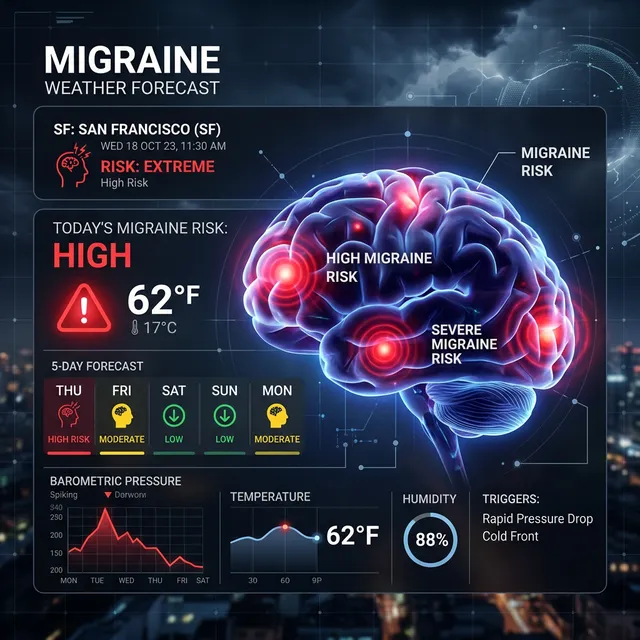
Weather and Migraine Forecast: Track Triggers
Understanding the Link Between Weather and Migraines

For millions of headache sufferers, the skies hold more than just rain or sunshine—they hold the key to their next debilitating attack. If you have ever felt a throbbing ache develop right as a storm front rolled in, you are not imagining things. Changes in meteorological conditions are among the most frequently reported external triggers for severe head pain. Utilizing a reliable weather and migraine forecast can help you anticipate these shifts and take preventative measures before symptoms peak.
While genetics, stress, and hormonal fluctuations play massive roles in neurological health, environmental factors act as an invisible catalyst. When the atmosphere outside changes rapidly, it alters the pressure inside our sinuses and blood vessels. For a sensitive nervous system, this environmental turbulence can set off a cascade of events leading to a full-blown attack.
Key Meteorological Triggers
Not all weather changes affect everyone equally. Different atmospheric shifts target different pathways in the body. Recognizing your specific sensitivities is the first step toward effective management.
Barometric Pressure Drops
Barometric pressure—the weight of the atmosphere pressing down on us—is the ultimate culprit for most weather-related head pain. When a low-pressure system approaches (often bringing rain, snow, or thunderstorms), the air pressure drops. This creates a disparity between the pressure outside your body and the pressure within the air-filled cavities of your sinuses and skull. As these cavities adjust, they can irritate nearby nerves, particularly the trigeminal nerve, triggering an attack.
Temperature Swings and Humidity
Rapid spikes or drops in temperature can shock the body’s autonomic nervous system. Extreme summer heat combined with high humidity often leads to dehydration, a primary catalyst for head pain. Conversely, sudden cold snaps can cause blood vessels to constrict and then dilate rapidly, mimicking the vascular changes associated with neurological attacks.
Bright Sunlight and Glare
While not strictly a barometric trigger, bright sunlight and intense glare associated with clear blue skies or snow reflection are potent photic triggers. When combined with high heat or seasonal pollen counts carried by the wind, bright days can quickly turn into painful ones.
How to Use a Weather and Migraine Forecast
Modern technology makes tracking environmental triggers easier than ever. Specialized apps and websites combine meteorological data with personal health tracking to provide a daily outlook on your risk level.

- Check pressure trends: Look for apps that specifically highlight barometric pressure shifts rather than just temperature and rain.
- Monitor multi-day outlooks: Give yourself a 24- to 48-hour window to prepare for incoming storm fronts.
- Correlate with symptoms: Keep a headache diary alongside your environmental tracking to identify your specific pressure threshold.
Actionable Strategies to Prevent Weather-Induced Attacks
You cannot change the weather, but you can change how your body responds to it. When your daily forecast signals high risk, deploy these proactive management techniques.
Proactive Medication and Supplements
If you know a major low-pressure front is arriving, consult your neurologist about taking preventative acute medications or targeted supplements like magnesium and CoQ10. Establishing a baseline of defense before the pain starts is far more effective than trying to chase a full-blown attack.
Hydration and Electrolyte Balance
Environmental shifts often disrupt our body's fluid balance. Drink plenty of water and maintain adequate electrolyte levels, especially during sudden heatwaves or when dry indoor heating accompanies cold outdoor weather.
Environmental Shielding
Minimize exposure to secondary environmental triggers when a storm approaches. Wear polarized sunglasses on bright days, use noise-canceling headphones if wind noise bothers you, and stay in climate-controlled environments to smooth out sharp temperature transitions.
When to Seek Professional Guidance
If weather-related head pain occurs frequently, disrupts your work, or fails to respond to over-the-counter treatments, it is time to consult a healthcare professional. A specialized headache clinic or neurologist can help you build a comprehensive management plan, which may include prescription preventatives, nerve blocks, or lifestyle adjustments tailored to your unique biological triggers.
Conclusion
Dealing with environmental triggers can feel exhausting, but knowledge is your best defense. By regularly checking a weather and migraine forecast, tracking your personal sensitivities, and preparing in advance for barometric shifts, you can reclaim control over your days and minimize the impact of changing skies.