Weather Forecast for Chester Illinois: Climate & Tips
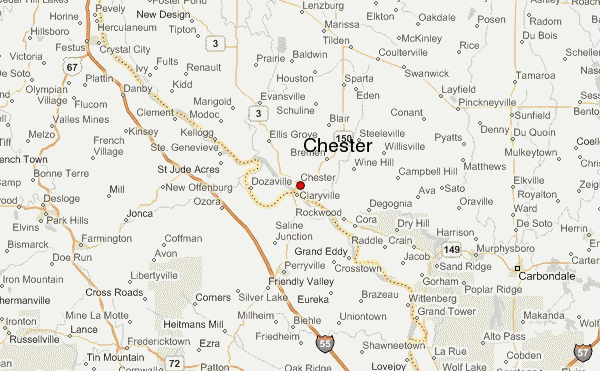
Perched high on the limestone bluffs overlooking the Mississippi River, Chester, Illinois, occupies a distinctive geographic position in Randolph County. Best known as the birthplace of Popeye creator E.C. Segar, this historic river town experiences dynamic weather shaped directly by its topography and proximity to major waterways. Whether you are planning a trip to view the Popeye character trail, crossing the Chester Bridge into Missouri, or managing local agricultural operations, interpreting the weather forecast for Chester Illinois requires an understanding of how local geography drives daily atmospheric conditions.

Understanding the Weather Forecast for Chester Illinois
Chester lies in a transitional climatic zone between the humid continental climate of the central Midwest and the humid subtropical climate characteristic of the American South. This positioning means the town experiences four distinct seasons, wide temperature swings throughout the year, and moderate to heavy precipitation distributed across all twelve months.
When reviewing a local forecast, it is essential to recognize that standard regional reports often pull data from broader regional observation stations, such as Sparta (to the northeast) or Carbondale. However, Chester’s immediate riverside location introduces microclimate effects that can make conditions on the riverfront noticeably different from inland areas just five to ten miles away.
Seasonal Breakdown: What to Expect Throughout the Year
Weather patterns in Chester change dramatically with the seasons. Here is an overview of what the forecast typically holds during each period of the year:
Spring (March through May): Storms and River Rises
Spring in Chester is a season of rapid transformation and atmospheric instability. As warm, moist air surging upward from the Gulf of Mexico collides with lingering Canadian cold air over the mid-Mississippi Valley, barometric pressure frequently fluctuates.
- Temperatures: Daily highs climb steadily from the mid-50s in March to the upper 70s by late May, though overnight freezes remain possible well into April.
- Precipitation: Spring is typically the wettest period of the year. Sustained spring rains upstream often lead to rising Mississippi River levels, which can threaten low-lying agricultural bottomlands and impact riverfront operations.
- Severe Weather: Thunderstorm activity peaks between April and early June. Forecasts during these months frequently include watches or warnings for damaging straight-line winds, hail, and occasional tornadoes.
Summer (June through August): Intense Humidity and Heat
Summers in Randolph County are notoriously warm and humid. Chester’s low elevation relative to northern Illinois, combined with water vapor evaporating from the Mississippi River and surrounding crop fields (corn sweat), pushes dew points into uncomfortable territory.
- Temperatures: Average afternoon highs range from 86°F to 92°F, but high humidity routinely drives heat index values above 100°F.
- Precipitation: Summer rainfall largely arrives in the form of localized, pop-up convective thunderstorms rather than broad, steady frontal systems. A forecast calling for a 40% chance of rain often means severe downpours in one neighborhood while an adjacent farm stays completely dry.
- Safety Concerns: Heat advisories are common in July and August. Outdoor activities along the bluffs or Fort Kaskaskia State Historic Site should be scheduled during morning hours.
Fall (September through November): Crisp Days and Stable Weather
Autumn is widely considered the most pleasant season in Chester. As continental high-pressure systems dominate the central United States, humidity drops sharply, leaving clear skies and mild days.
Video: Forecast for Chester, IL., St. Louis Area & Nat'l 10/10/26. "CLOUDY/SLT-RAIN/HURRICANE OUTLOOK"

- Temperatures: Highs cool comfortably into the 70s in October and the mid-50s by November. Frost typically makes its first appearance in mid-to-late October.
- Precipitation: Autumn is generally the driest season of the year, making it prime time for local harvest activities and fall foliage tours along the Great River Road.
- Atmospheric Conditions: Large differences between daytime warmth and rapid nighttime cooling often create dense radiation fog along the river basin in the early morning.
Winter (December through February): Chilly Winds and Mixed Precipitation
Winter in southern Illinois is less severe than in the northern half of the state, but it remains unpredictable. Polar cold fronts can send temperatures plunging, while southern low-pressure tracks can drag warm air northward, yielding sudden thaws.
- Temperatures: Average daily highs hover between 38°F and 44°F, with overnight lows falling into the low 20s. Sub-zero temperatures are infrequent but occur during strong Arctic outbreaks.
- Snow and Ice: Chester averages around 10 to 12 inches of snow per season. However, because the freezing line often sets up across southern Illinois, winter forecasts frequently call for winter mixes—sleet and freezing rain—which can quickly glaze the steep hills of Chester and the surface of the Chester Bridge.
The Mississippi River Microclimate Effect
The physical presence of the Mississippi River plays an active role in modifying Chester's immediate weather. Two primary phenomena influence daily forecasts:
1. Valley Fog and Visibility Issues
During late fall, winter, and early spring, the temperature differential between the river water and the air above creates thick valley fog. While the higher elevations of Chester near the courthouse or high school might enjoy clear skies, visibility down at the river crossing or along State Route 3 can drop to near zero. Drivers crossing between Illinois and Perry County, Missouri, should always account for reduced visibility during early morning commutes.
2. Temperature Inversions on the Bluffs
Chester’s elevation changes create localized temperature variations. Cold air is denser than warm air, causing it to pool in the bottomlands overnight under calm conditions. Consequently, morning temperatures along the riverbanks can be several degrees cooler than at the top of the bluffs. Conversely, during hot summer afternoons, the reflective heat from limestone rock faces can elevate ambient temperatures along bluff-side roads.
Key Considerations When Checking the Forecast
To make the most of local weather updates for Chester, keep the following practical factors in mind:
- Monitor River Stages Alongside Rain: If heavy rainfall is predicted across Iowa, northern Illinois, or Missouri, local water levels in Chester can rise days later, even if local rainfall remains modest. The National Weather Service (NWS) Advanced Hydrologic Prediction Service tracks the Chester gauge (CHSI2) closely.
- Pay Attention to Wind Direction: Strong westerly or northwesterly winds funnel directly across the open river corridor, creating heavy crosswinds on the Chester Bridge and making high-profile vehicles difficult to control.
- Rely on the Right NWS Office: Chester falls under the primary jurisdiction of the National Weather Service office in St. Louis (WFO LSX), though severe weather systems often transition into the coverage area of NWS Paducah to the south. Tracking radar out of St. Louis provides the earliest warning for incoming squall lines from the west.
Summary
Checking the weather forecast for Chester, Illinois, requires looking beyond simple high and low temperatures. Between river-induced humidity, bluff-top wind exposure, and rapid Midwestern seasonal transitions, having an eye on the broader regional environment ensures you are always prepared for whatever the Mississippi River valley delivers.