WebMD Pill Identifier: How to Identify Any Pill
Discovering an unidentified pill at the bottom of a purse, in an unlabeled medicine cabinet, or dropped on the kitchen floor is a common and potentially stressful experience. Because taking the wrong medication can lead to dangerous drug interactions or severe adverse effects, guessing is never an option. The WebMD Pill Identifier is one of the most reliable and accessible online resources designed to help individuals quickly determine the name, dosage, and purpose of unknown tablets and capsules.

Whether you need to verify a generic prescription that looks different from your usual refill or check a loose pill found in your home, knowing how to properly navigate digital pill identification tools ensures you get accurate, life-saving information.
What Is the WebMD Pill Identifier?
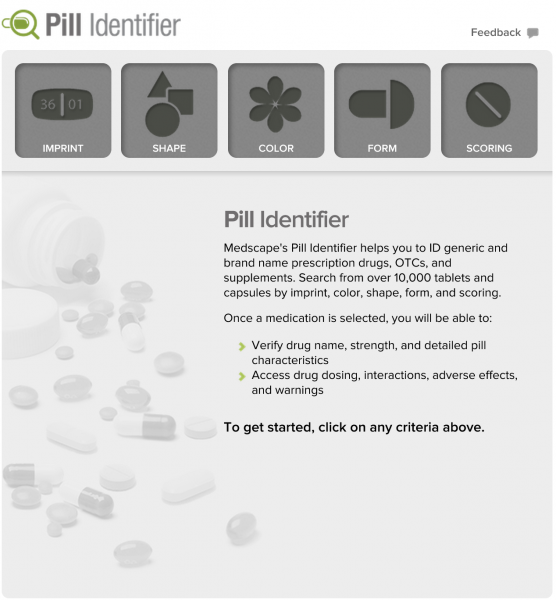
The WebMD Pill Identifier is a searchable, digital reference tool powered by comprehensive drug databases. It allows users to enter physical characteristics of an oral medication—including its imprint code, color, and shape—to match it against thousands of FDA-approved prescription and over-the-counter (OTC) drugs sold in the United States.
In the United States, the Food and Drug Administration (FDA) requires virtually all approved prescription and OTC solid oral dosage forms (tablets, capsules, caplets) to carry a distinct mark. Under federal regulation (21 CFR Part 206), this imprint code, when combined with the pill's shape and color, must make the drug uniquely identifiable to a specific manufacturer and active ingredient strength. Pill identification engines cross-reference these exact legal markings to give you verified drug data.
How to Use the WebMD Pill Identifier Step-by-Step
Using the tool effectively requires paying close attention to small physical details on the pill. Follow these steps to narrow down your search quickly:
1. Locate and Read the Imprint Code
The imprint is the single most important piece of information. It consists of any combination of letters, numbers, symbols, words, or manufacturer logos stamped, debossed, or printed onto the surface of the tablet or capsule.
- Examine both sides: Many pills have markings on both the front and back (for example, a manufacturer logo on one side and a dosage number like "10" or "500" on the other).
- Use good lighting and magnification: Small pills can be difficult to read with the naked eye. Use your smartphone flashlight and camera zoom or a magnifying glass to read faint letters or numbers.
- Note slashes or scores: A line dividing numbers (such as "M / 365") can indicate a score mark. Enter the characters clearly into the search field.
2. Select the Pill's Shape
Medications come in dozens of standard physical geometries. The WebMD tool offers a dropdown menu with visual representations of shapes, such as:
- Round
- Oval or capsule-shaped (oblong)
- Square or rectangle
- Triangle or diamond
- Hexagon or octagon
- Shield or tear-drop
Select the shape that best matches your medication. If you are unsure between oval and oblong, starting with the imprint alone often yields fewer, highly targeted results.
Video: How to identify any medication/pill
3. Choose the Color
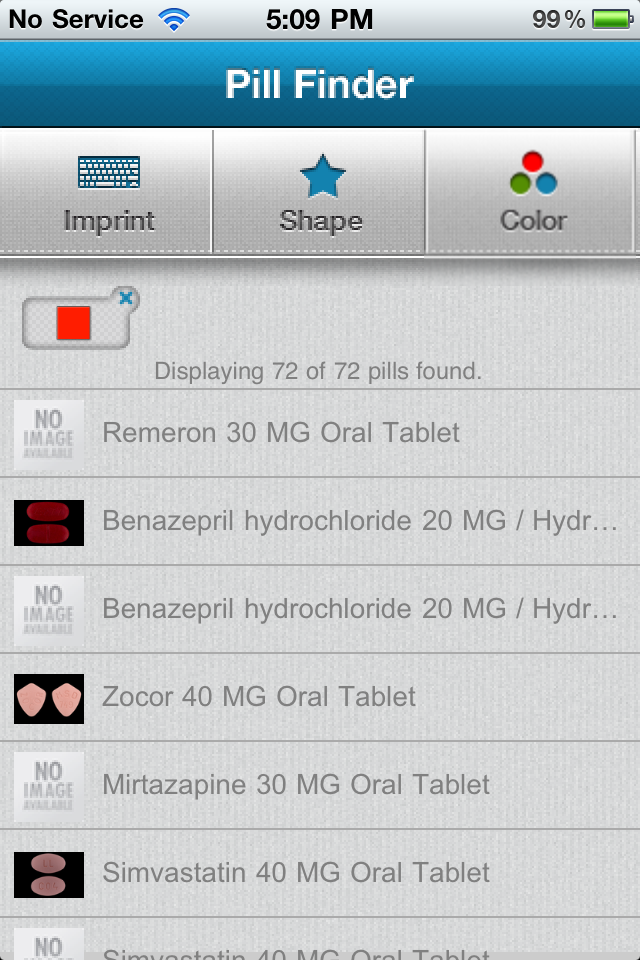
Pill colors can sometimes be subjective, especially if a coating has faded or altered slightly with age. The tool allows you to select single colors (white, blue, yellow, red) or dual colors commonly found on two-tone gelatin capsules (such as blue/white or red/clear).
Tip: If a search with color fails to return a result, leave the color field set to "Any" and rely primarily on the imprint code and shape. Lighting differences can make an off-white pill appear yellow, or a light green pill look gray.
4. Review Visual Results and Descriptions
Once you click search, the tool presents a gallery of matching pills with high-resolution photographs, brand names, generic formulations, strengths, and National Drug Code (NDC) numbers. Compare your physical pill directly to the high-resolution photo on your screen, double-checking dimensions, scoring lines, and the exact placement of debossed text.
Common Reasons a Pill May Not Appear in the Database
If your search yields zero results, do not assume the pill is harmless. Several categories of oral medications and supplements do not follow standard FDA imprint guidelines:
- Dietary Supplements and Herbals: The FDA regulates vitamins, minerals, and herbal supplements under dietary supplement guidelines rather than drug standards. Consequently, many vitamins and botanical tablets do not have unique imprint codes.
- Foreign Medications: Pills purchased outside the United States (including online pharmacies from Canada, Mexico, or overseas) follow different national labeling laws and generally do not appear in U.S.-focused pill identification databases.
- Compounded Medications: Specialty pharmacies that formulate custom prescriptions create pills that do not feature commercial manufacturer imprints.
- Counterfeit or Illicit Drugs: Illegal street drugs or counterfeit prescription medications frequently mimic real pills or contain no identifiable markings at all. Fentanyl-laced counterfeit pills often poorly imitate legitimate prescription opioids like oxycodone or alprazolam.
- Veterinary Drugs: Medications formulated specifically for pets may have different marking conventions and may not be listed in human pharmaceutical databases.
Essential Safety Protocols for Unidentified Pills
While visual identification tools are exceptionally useful reference guides, medication safety requires caution. Keep the following best practices in mind:
- Never ingest an unconfirmed pill: Even if a pill resembles a familiar over-the-counter pain reliever, subtle differences in markings could mean it is an entirely different drug or a much higher dose.
- Confirm with a licensed pharmacist: Pharmacists have access to specialized clinical databases and extensive daily experience identifying medications. If you have any doubt, bring the pill in a sealed plastic bag to your local pharmacy for professional verification.
- Beware of color variations between generics: If you refilled your regular prescription and the pills look different, your pharmacy may have switched generic manufacturers. Before taking it, verify the label or use the identifier to confirm the active ingredient matches your prescription.
- Safely dispose of unknown medications: If an unknown pill cannot be verified, dispose of it safely. Utilize community drug take-back locations, pharmacy drop boxes, or follow FDA guidelines for household disposal (mixing pills with unpalatable substances like used coffee grounds or cat litter in a sealed bag before placing them in the trash).
When to Call Poison Control
If you suspect someone—especially a child or pet—has ingested an unknown pill, do not waste time searching online databases. Contact emergency resources immediately:
- United States Poison Help Line: Call 1-800-222-1222 or visit PoisonHelp.org for free, confidential, 24/7 expert medical guidance.
- Emergency Services: Call 911 immediately if the person is unconscious, having difficulty breathing, experiencing seizures, or unresponsive.
The WebMD Pill Identifier remains one of the fastest, most practical ways to organize your medicine cabinet, audit loose tablets, and ensure the safety of your household medications. When paired with professional medical advice, it provides an indispensable layer of defense against accidental medication errors.