Wells Fargo 529 Account: What to Know Before You Invest
Saving for a child or grandchild's higher education is one of the most impactful financial commitments a family can make. Among the various tax-advantaged vehicles available, 529 college savings plans stand out for their robust growth potential and tax-free withdrawals for qualified education expenses. If you already maintain a banking or investment relationship with a major financial institution, you might be wondering about setting up a Wells Fargo 529 account.
Navigating college savings requires understanding not just the mechanics of 529 plans in general, but how specific brokerages administer them. This guide breaks down everything you need to know about utilizing Wells Fargo for your educational planning, current offerings, fees, and key factors to consider before you open an account.
Understanding How 529 Plans Work
Before diving into institution-specific features, it helps to understand the baseline mechanics of a 529 plan. Sponsored by states, state agencies, or educational institutions, these municipal securities are designed specifically to encourage saving for future higher education expenses.
- Tax-Advantaged Growth: Contributions are made with after-tax dollars, but the earnings grow federal tax-deferred.
- Tax-Free Withdrawals: Distributions are completely free from federal income tax—and often state income tax—when used for qualified education expenses (tuition, mandatory fees, books, supplies, and certain room and board costs).
- Flexible Beneficiaries: If the original beneficiary decides not to attend college, or receives a scholarship, the account owner can change the beneficiary to another eligible family member without penalty.
The Wells Fargo 529 Account Experience
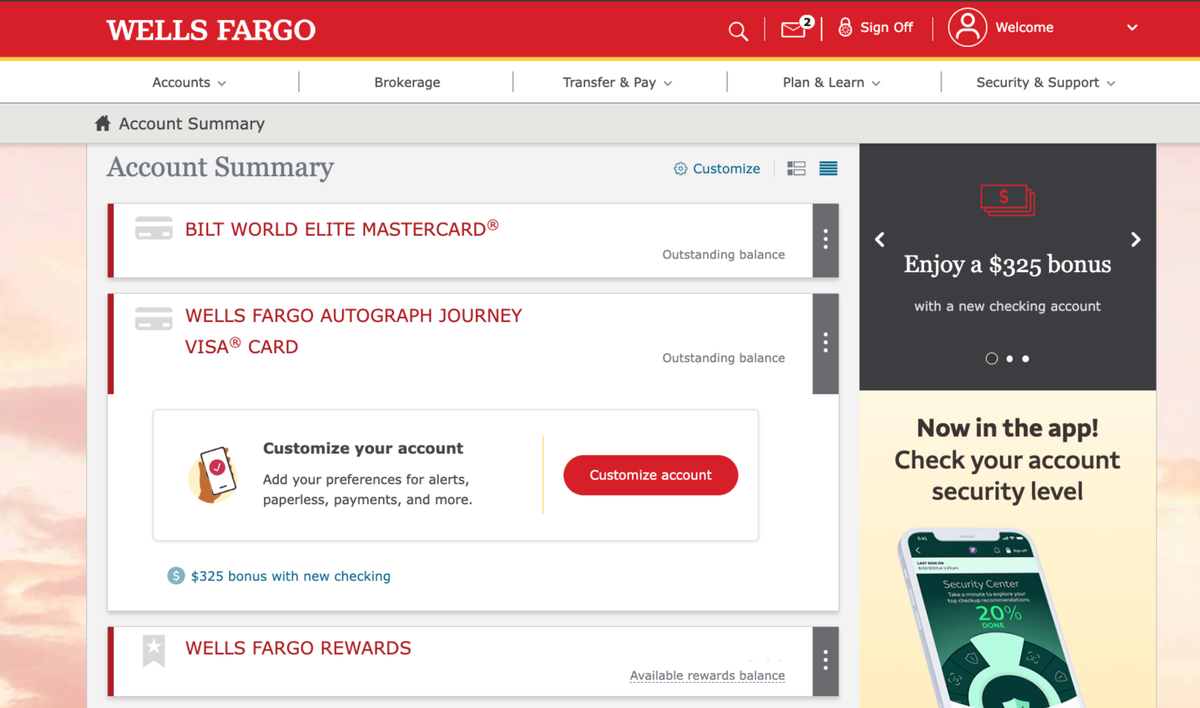
Unlike some standalone digital investment platforms or direct-sold state plans, Wells Fargo approaches 529 plans primarily through its wealth management and brokerage channels. Here is what families typically encounter when exploring a Wells Fargo 529 account.
Partnership with State Plans
Wells Fargo does not operate its own proprietary 529 plan. Instead, financial advisors at Wells Fargo typically facilitate investments in specific state-sponsored plans that the firm is authorized to offer. Depending on where you live or which advisor you work with, you will likely be matched with a specific state plan (such as the Nevada USA College-Savings Plan or others distributed through broker-dealers).
Advisor-Sold vs. Direct-Sold
Because Wells Fargo offers these plans through its financial advisors, these are generally categorized as advisor-sold 529 plans. This differs from direct-sold plans, which you can open independently online without professional guidance. The primary distinctions include:
- Professional Guidance: An advisor helps you select appropriate asset allocations based on your timeline and risk tolerance.
- Higher Fees: Advisor-sold plans typically carry additional financial advisor fees, administrative fees, and class-specific sales loads (such as Class A shares) that direct-sold plans usually avoid.
Investment Options Within the Plan
When you invest through a Wells Fargo advisor into an approved 529 plan, your investment choices generally fall into a few distinct categories:
Age-Based Portfolios (Target-Enrollment)
For most everyday investors, age-based portfolios are the default choice. These portfolios automatically adjust their asset allocation over time as the beneficiary gets closer to college age. They start out aggressively weighted in equities for long-term growth and gradually shift toward fixed-income and cash equivalents as enrollment approaches to protect accumulated capital.
Static Portfolios

Static portfolios maintain a fixed asset allocation regardless of the beneficiary's age. You can choose from aggressive growth, moderate growth, conservative, or 100% fixed-income options depending on your personal risk appetite and investment strategy.
Individual Fund Options
For more hands-on investors or those working closely with an advisor to build a customized portfolio, some plans allow you to select individual underlying mutual funds or exchange-traded funds (ETFs) covering domestic equities, international stocks, and bonds.
Fees Associated with a Wells Fargo 529 Account
Fees are a critical component of long-term investing, as high expenses can slowly erode your college savings over a 10-to-18-year horizon. When evaluating a Wells Fargo 529 account, look closely at the following cost layers:
- Advisor Fees: Compensation for the financial professional managing your account. This may be an ongoing asset-based fee or a commission structure depending on the share class.
- Program Management Fees: Fees charged by the state plan administrator to oversee the operational aspects of the fund.
- Underlying Fund Expenses (Expense Ratios): Fees charged by the managers of the underlying mutual funds or ETFs held within your portfolio.
Always ask your Wells Fargo advisor for a complete fee disclosure document (often called an offering statement or program description) before committing funds.
Pros and Cons of Using Wells Fargo for College Savings
Weighing the advantages and disadvantages helps clarify whether this path aligns with your financial strategy.
The Pros
- Relationship Convenience: If you already bank, invest, or have a mortgage with Wells Fargo, keeping your accounts consolidated under one login or advisor can simplify your financial life.
- Personalized Advice: Having a dedicated professional to consult regarding college funding strategies, gifting limits, and estate planning can be invaluable for high-net-worth families.
The Cons
- Higher Costs: Advisor-sold plans almost universally carry higher fee structures than direct-sold state plans, which can reduce net investment returns over time.
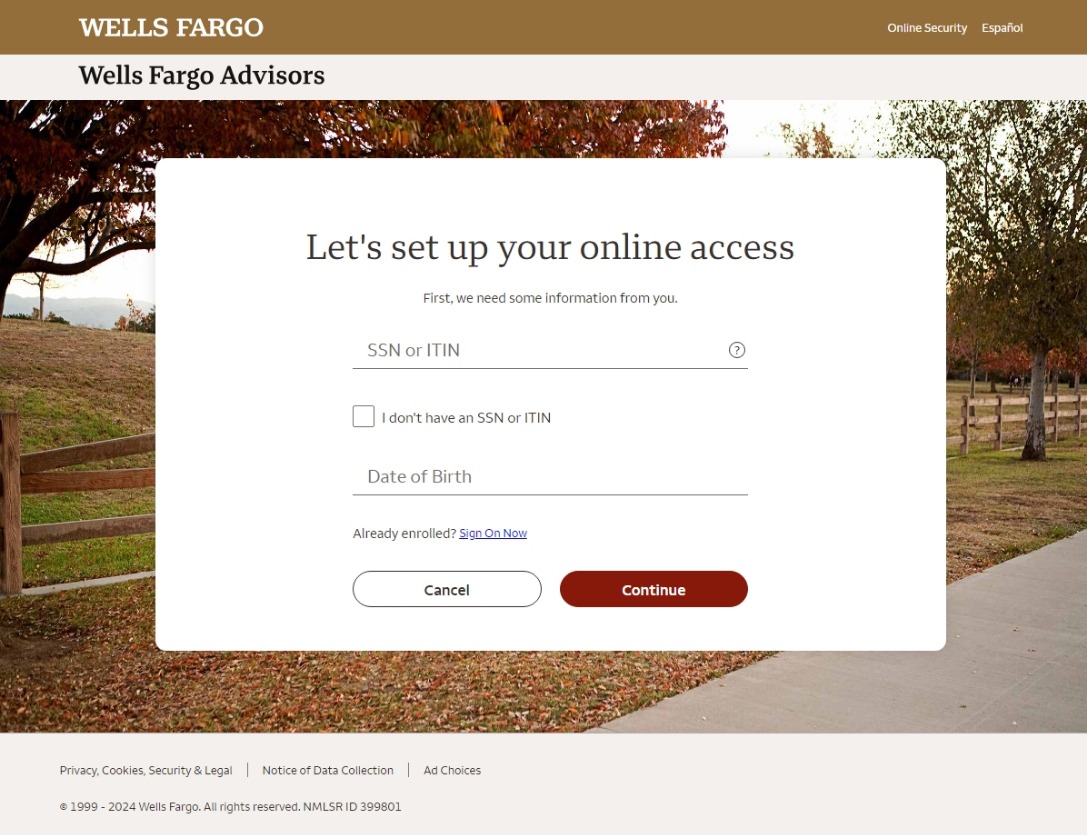
- Limited Direct Control: You cannot simply open a Wells Fargo 529 online in five minutes without interacting with the brokerage infrastructure or an advisor in many cases.
Alternatives to Consider
If you prefer lower fees or a self-directed approach, you have other robust options for college savings:
- Direct-Sold State Plans: You can visit any state’s 529 plan website (such as New York's or Utah's plan) and open an account directly with very low expense ratios and no advisor fees. Most states allow U.S. citizens to invest in out-of-state plans, though your home state might offer state tax deductions only if you use their specific plan.
- Coverdell ESAs: Similar to a 529, but with lower annual contribution limits ($2,000 per year) and more flexibility regarding elementary and secondary school expenses.
- Yamaha/Custodial Accounts (UGMA/UTMA): Offer maximum investment flexibility but lack the specific tax advantages of 529 plans and can impact financial aid eligibility differently.
Conclusion
A Wells Fargo 529 account can be a viable vehicle for building an education fund, particularly if you value personalized guidance from a financial advisor and want to keep your financial holdings consolidated. However, because advisor-sold plans carry higher fees than direct-sold alternatives, you should carefully evaluate the total cost structure against the value of the advice provided. Review your state's tax incentives, compare fee schedules, and choose the path that best secures your family's financial future.