Were Hisashi Ouchi's 1999 Photos Staged? The Truth
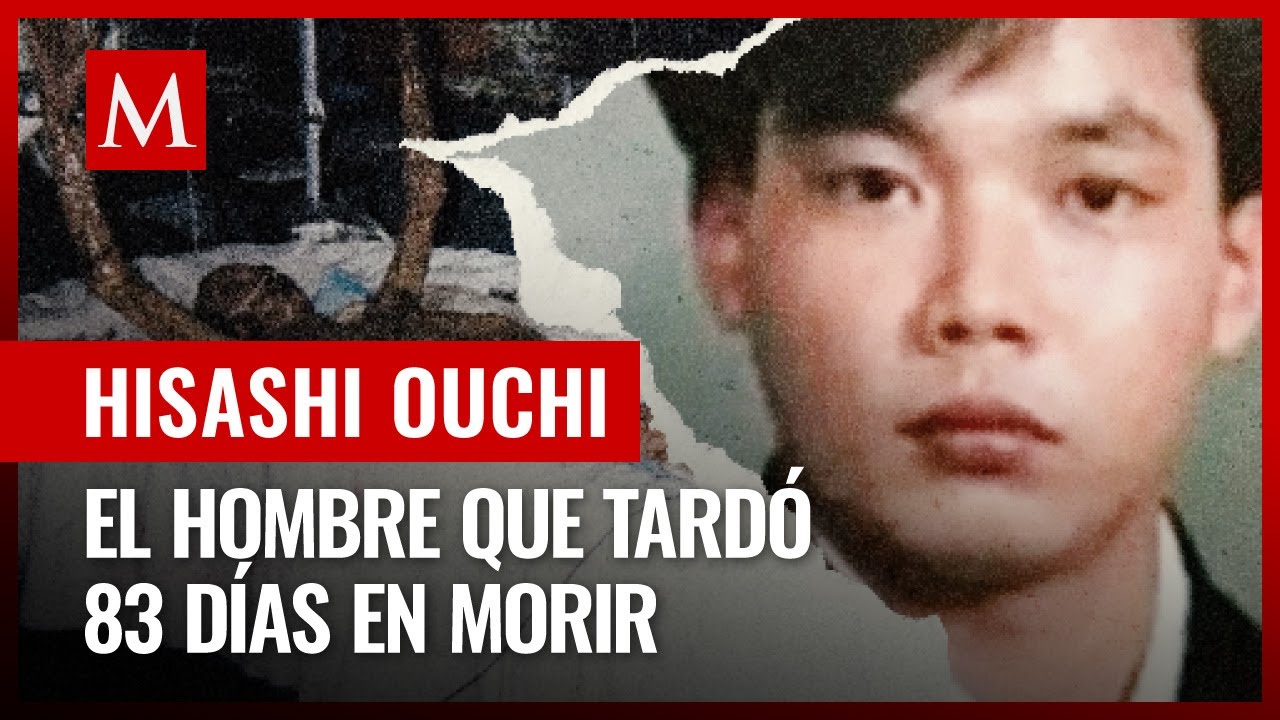
For more than two decades, a chilling photograph has circulated across internet forums, shock sites, and social media feeds. The image shows a human figure suspended in a medical harness, completely devoid of skin, with exposed muscle tissue and missing limbs, purportedly depicting Japanese technician Hisashi Ouchi following the catastrophic Tokaimura nuclear accident. This image has sparked intense debate: were Hisashi Ouchi's 1999 photos staged? Experts reveal the shocking truth behind the photograph, separating grim clinical reality from digital folklore.

The 1999 Tokaimura Nuclear Disaster: What Happened to Hisashi Ouchi?
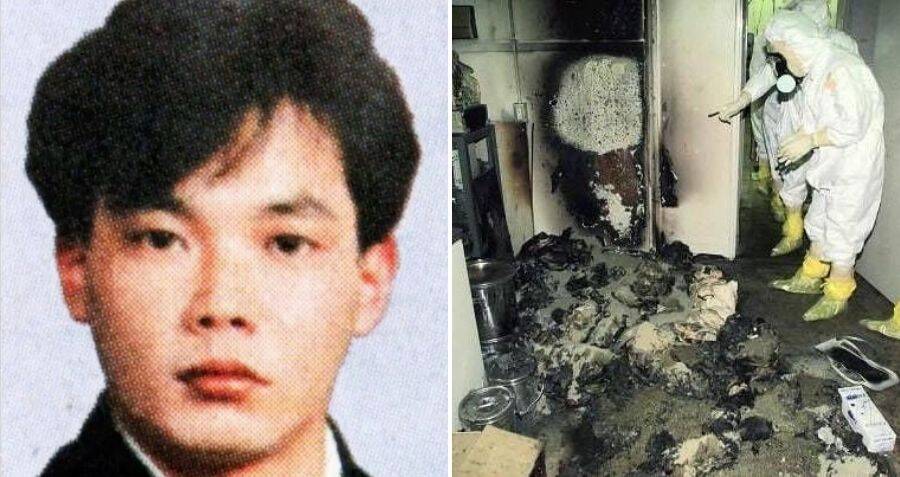
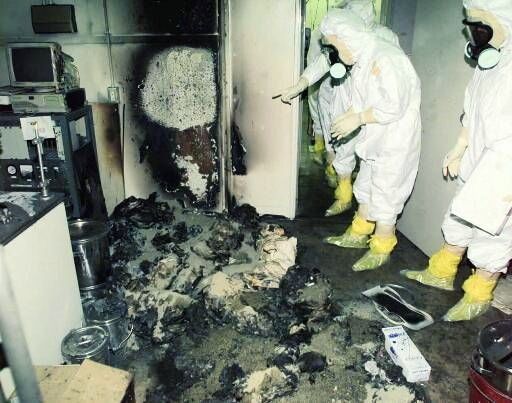
On September 30, 1999, Japan experienced its worst civilian nuclear accident prior to the 2011 Fukushima meltdown. At a JCO fuel fabrication facility in Tokaimura, Hisashi Ouchi, along with colleagues Masato Shinohara and Yutaka Yokokawa, was preparing a batch of uranyl nitrate fuel for the Joyo experimental fast-breeder reactor.
Under pressure to meet deadlines, the technicians took dangerous shortcuts. Rather than utilizing automated mixing equipment designed to prevent radioactive mass concentration, they manually poured a concentrated uranium solution from stainless steel buckets into a precipitation tank. When the volume reached approximately 16 kilograms—far exceeding the critical threshold of 2.4 kilograms—a blinding blue flash filled the room. A self-sustaining nuclear chain reaction had ignited.
Ouchi, who was standing directly over the tank holding a funnel, absorbed an estimated 17 Sieverts (Sv) of mixed neutron and gamma radiation. To put that figure into perspective, a whole-body dose of just 4 to 5 Sieverts is typically fatal to 50% of healthy adults. Ouchi received roughly three to four times the lethal threshold, suffering the highest recorded dose of radiation sustained by an individual in modern history.
The Infamous Viral Photo: Real, Fake, or Staged?
As the story of Ouchi's 83-day medical battle spread worldwide, it was accompanied online by an image that terrified viewers: an emaciated, flayed human torso hanging upright from hospital ropes, with red, raw flesh and both lower legs absent. For years, commenters debated whether the photo was genuine medical documentation, an elaborate practical effects dummy, or a staged hoax created to sensationalize the tragedy.
The image is neither a Hollywood prop nor a photo of Hisashi Ouchi. Instead, medical investigators and digital archivists have confirmed that the photograph depicts an entirely different patient from an unrelated clinical case.
The True Origin of the Suspended Body Image
Forensic image analysis and medical literature tracking revealed that the viral photo originally appeared in medical publications documenting an extreme high-voltage electrical burn victim, or in some archives, a severe trauma case requiring total body debridement and suspended traction therapy. Burn units often suspend patients using specialized overhead slings to prevent necrotic tissue from sticking to hospital bedding and to facilitate skin graft airflow.
During the early 2000s, shock websites such as Rotten.com and early paranormal blogs lifted the image from an academic burn-treatment archive, stripped it of its original clinical citations, and slapped Ouchi's name onto it. The caption claimed the photo showed Ouchi during his final days at the University of Tokyo Hospital. The grotesque nature of the image ensured rapid, unchecked viral distribution across Creepypasta threads, YouTube video essays, and Reddit communities.
Were Hisashi Ouchi's 1999 Photos Staged? Experts Reveal the Shocking Truth
When asked if Hisashi Ouchi's 1999 photos were staged, nuclear historians and medical specialists offer a nuanced answer: The photo itself was not staged as a movie prop, but its attribution to Ouchi was entirely fabricated.
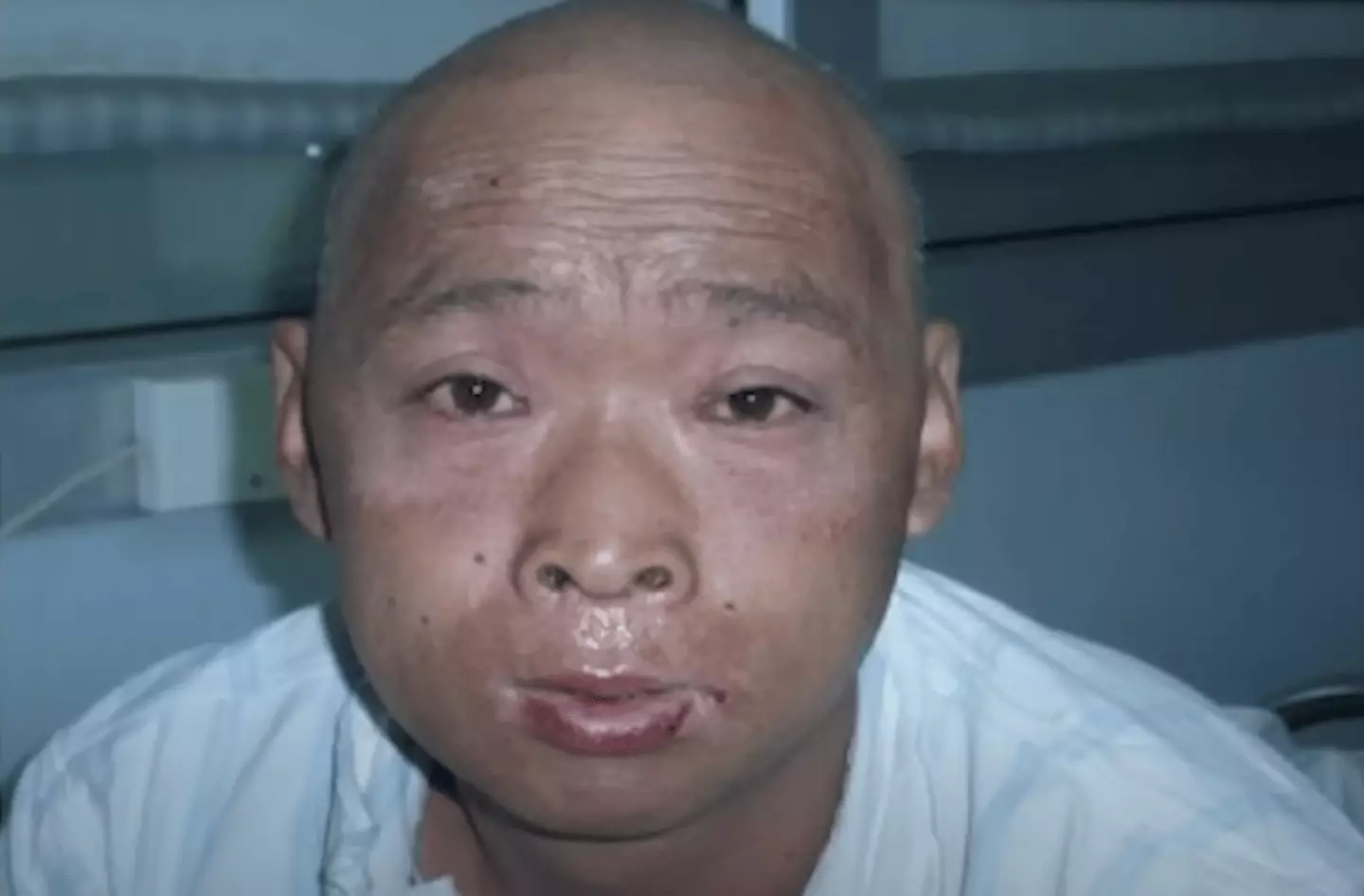
Dr. Kazuhiko Maekawa and the multidisciplinary team of over 200 doctors, nurses, and scientists who treated Ouchi at the University of Tokyo Hospital maintained rigorous medical privacy. They adhered to strict hospital photography protocols. While clinical photographs of Ouchi were indeed captured throughout his 83 days of treatment to document the unprecedented effects of acute radiation syndrome (ARS), none resemble the gruesome flayed-corpse image circulating online.
The genuine medical photographs taken during Ouchi's treatment were published in the authoritative clinical book A Slow Death: 83 Days of Radiation Sickness, written by the NHK-TV crew that produced the definitive documentary on the case. These authentic images reveal a starkly different, though equally tragic, reality.
What Actually Happened to Ouchi’s Body During Those 83 Days?
While the viral photo is fake, the actual biological destruction suffered by Ouchi was profound. The massive dose of neutron radiation penetrated every cell of his body, physically destroying his 23 pairs of chromosomes. His genetic code was pulverized; his cells could no longer divide or replicate.
Chromosomal Destruction and Epidermal Loss
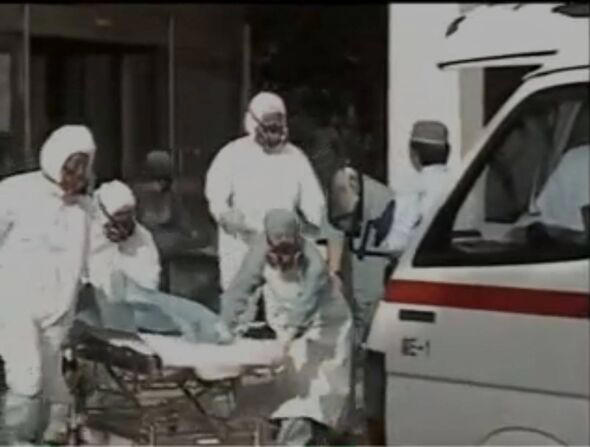
When Ouchi arrived at the National Institute of Radiological Sciences, he was conscious, coherent, and exhibited only swollen hands and slightly red skin. He appeared deceptively healthy. However, as the days progressed, his body's inability to regenerate cells triggered a catastrophic cascade:
- Total Immune Collapse: His white blood cell count dropped nearly to zero within days, leaving him completely vulnerable to infection. He was housed in an airtight, sterilized clean room.
- Loss of Epidermis: The basal layer of the skin regenerates rapidly under normal conditions. Because Ouchi's cells could not divide, his outer skin simply sloughed away when medical tape was removed. His body wept liters of fluid daily through raw surfaces.
- Gastrointestinal Failure: The lining of his intestines died and shed, causing severe internal bleeding and requiring daily transfusions of blood and plasma.
- Stem Cell Transplantation: Doctors performed an experimental peripheral blood stem cell transplant using cells donated by Ouchi's sister. While the transplant initially showed signs of taking, the lingering secondary radiation inside his tissues began mutating the newly introduced cells.
The Medical Reality vs. Shock-Site Fabrications
Unlike the viral picture, Ouchi was never suspended upright in a sling, nor were his legs amputated. He remained bedridden on a specialized air-fluidized therapy mattress designed to minimize pressure points and prevent tissue ulceration. His body was swathed in sterile gauze bandages from neck to foot to stem the loss of bodily fluids and protect against bacterial infiltration.
His medical team attempted groundbreaking treatments, including artificial skin substitutes, experimental drugs, and continuous organ support. Despite their tireless efforts—and multiple resuscitations following cardiac arrests after Day 59—Ouchi succumbed to multiple organ failure on December 21, 1999, exactly 83 days after the accident.
The Real Photographic Evidence from the Tokyo Hospital
Genuine photographs of Ouchi's clinical progression do exist in medical journals and the official NHK publication, but they look entirely different from the internet myth:
- Early Treatment Photos: Images show Ouchi sitting upright in a wheelchair shortly after transfer, his hands red and swollen, looking relatively normal.
- Dermatological Close-Ups: Controlled close-up photos document the desquamation (peeling) of skin on his right hand and back, displaying medical sutures, sterile gauze, and clinical markings.
- The Care Setting: Wide shots of the clean room depict a heavily monitored, bandaged patient surrounded by cutting-edge life-support equipment, intravenous lines, and dialysis machines—not an abandoned medical nightmare chamber.
Why Medical Misinformation Spread Around the Case
The persistent belief that the viral photo was real—or staged—stems from the unprecedented horror of acute radiation syndrome. Radiation is an invisible threat; when people read that Ouchi's chromosomes were obliterated and his skin could not regenerate, their imaginations visualized the most extreme physical manifestation possible.
Early internet culture amplified this tendency. Clickbait curators exploited the lack of accessible English translations of Japanese medical reports, attaching random shocking medical imagery to Ouchi's name to drive page views. Because Ouchi's real fate was undeniably horrific, readers readily accepted the misattributed photo as genuine.
Key Takeaways: Separating Reality from Myth
The tragedy of Hisashi Ouchi remains a sobering chapter in the history of nuclear safety and medical ethics. In summary:
- The viral photo of a flayed, limb-deficient body hanging in a sling is not Hisashi Ouchi. It is an unrelated burn/trauma patient from clinical literature.
- The photo was not staged as a fictional hoax, but rather falsely labeled and distributed by early shock websites.
- Ouchi's actual medical condition was meticulously documented by his physicians and presented in A Slow Death: 83 Days of Radiation Sickness. He was treated with dignity in a sterile clean room, wrapped in bandages, and placed on advanced medical mattresses.
Dispelling this viral myth does not diminish the gravity of what Ouchi endured. Rather, it honors his memory by replacing internet sensationalism with verified medical and historical truth.