Were Laci Peterson Autopsy Pictures Crucial to the Conviction?
Few American criminal trials captured the public's attention in the 2000s quite like the prosecution of Scott Peterson for the murder of his pregnant wife, Laci Peterson, and their unborn son, Conner. As the legal proceedings unfolded, the courtroom became a theater of forensic evidence, circumstantial arguments, and highly emotional testimony. Among the many exhibits introduced by the prosecution, visual evidence remains a subject of intense discussion decades later. Specifically, true crime researchers and legal analysts frequently debate: were Laci Peterson autopsy pictures crucial to the conviction?
The Context of the Peterson Trial
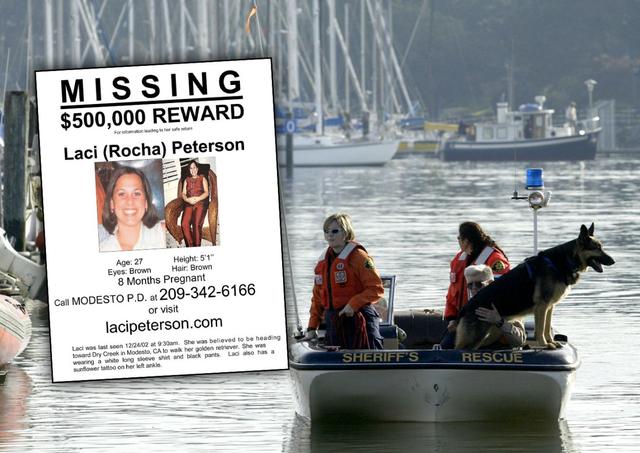
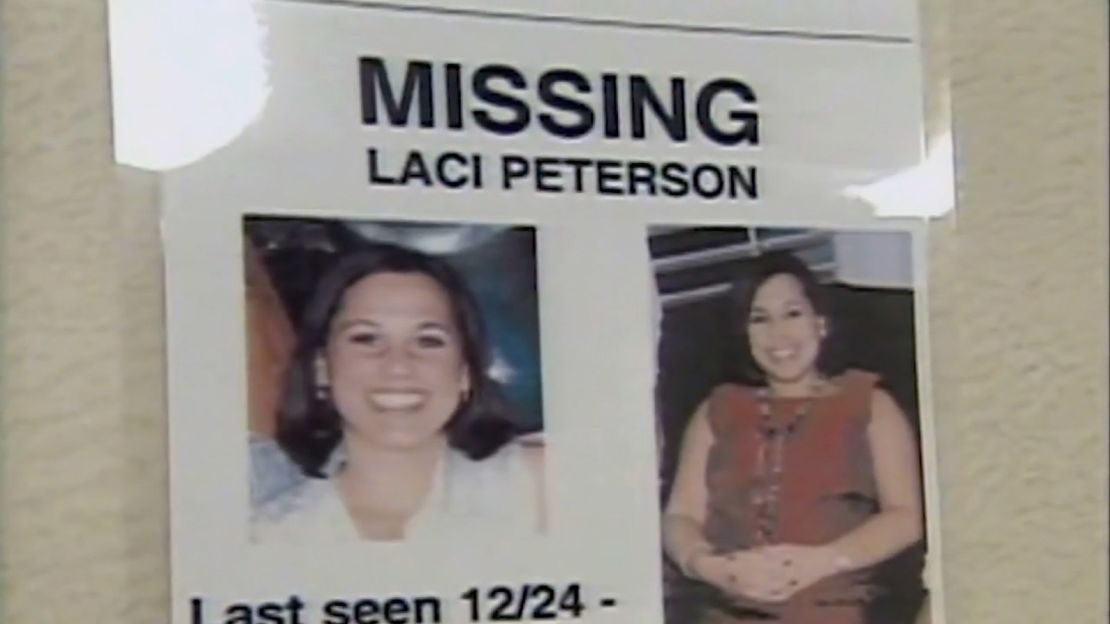
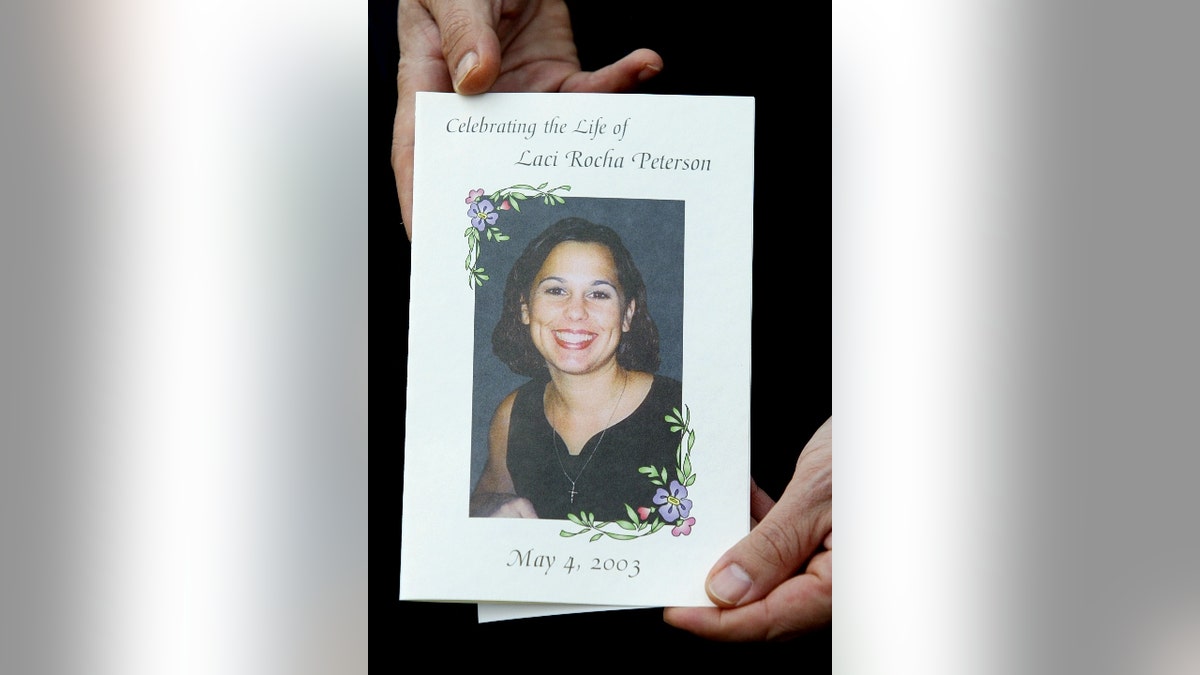
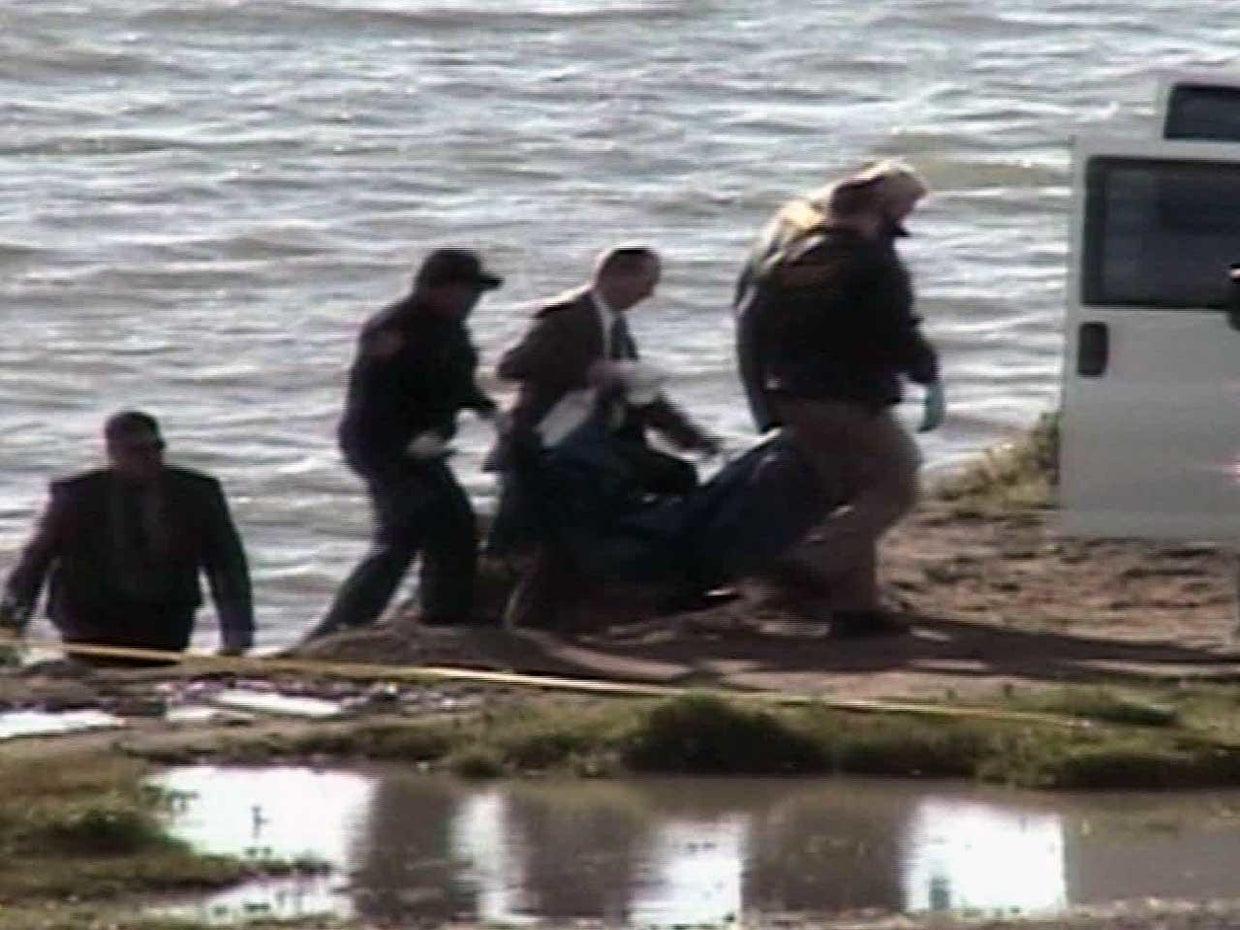
In November 2002, Laci Peterson vanished from her Modesto, California home, sparking a massive national search. Months later, in April 2003, the decomposed remains of Laci and her fetus washed ashore in the San Francisco Bay, not far from where Scott Peterson claimed he had been fishing on the day she disappeared. Because the bodies were recovered months after death and were severely decomposed due to marine exposure, traditional forensic analysis faced significant limitations.
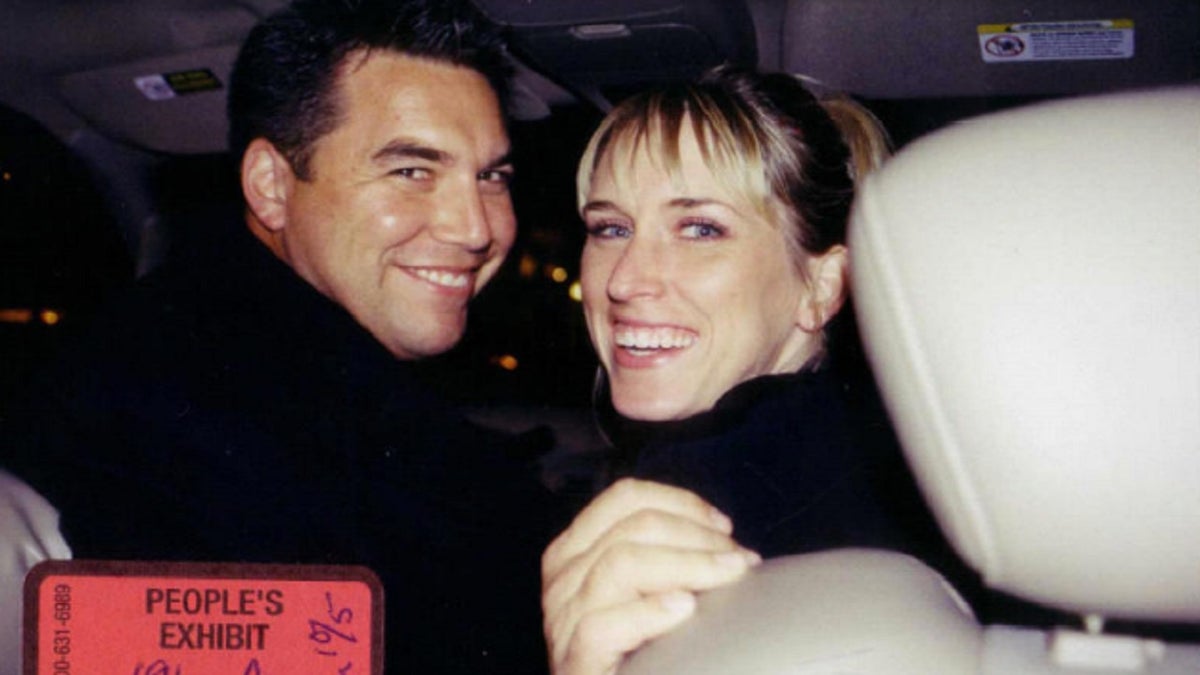
When the case finally went to trial in 2004, the prosecution relied heavily on a mountain of circumstantial evidence. They painted Scott as an unfaithful husband who had a motive to kill his wife and unborn child to pursue a new life with his mistress, Amber Frey. However, to prove homicide beyond a reasonable doubt, the state also had to establish the manner and mechanism of death, despite the lack of soft tissue or a clear murder weapon.
Forensic Evidence and the Autopsy Findings
Because of the advanced state of decomposition, the county coroner's office could not definitively determine the exact cause of death for Laci Peterson. The bones recovered showed no definitive trauma, and key internal organs were missing. Despite these forensic challenges, the state pathologists and forensic experts testified about what could be inferred from the remains.
What the Autopsy Pictures Showed
The introduction of photographic evidence during a murder trial is always a sensitive and heavily debated legal hurdle. In the Peterson case, the judge allowed select autopsy and recovery photographs to be shown to the jury and, in some instances, to the public gallery. These images depicted:
- The condition of the remains when they were recovered from the San Francisco Bay.
- The skeletal and remaining soft-tissue structures of Laci Peterson.
- The specific positioning and state of the fetus, Conner Peterson.
While the prosecution argued these photos were necessary to help forensic experts explain their findings and to demonstrate the condition of the bodies, the defense raised concerns about their potential to inflame the passions of the jurors.
Were Laci Peterson Autopsy Pictures Crucial to the Conviction?
To answer whether the autopsy pictures were the turning point of the trial, legal experts generally agree on a nuanced reality: no single piece of evidence, including the autopsy pictures, secured the guilty verdict on its own. Instead, the conviction was built on a cumulative weight of circumstantial evidence.
However, the visual evidence played a specific supporting role in the courtroom strategy:
1. Countering Defense Theories
Scott Peterson's defense team suggested various alternative theories about what might have happened to Laci, including the possibility that she was abducted and killed by members of a local burglary ring or a satanic cult after witnessing a crime. The state used the physical condition of the bodies, supported by expert testimony and photographic exhibits, to anchor the timeline of events and refute speculative alternative scenarios.
2. Establishing Human Reality and Empathy
In lengthy trials dominated by financial records, cell phone tower pings, and fishing logistics, graphic visual evidence serves to remind the jury of the human cost of the crime. While prosecutors must remain objective, the stark reality of the remains grounded the jury in the gravity of a double homicide.
3. The Weight of Circumstantial Evidence Was Primary
Despite the emotional impact of the photographs, legal historians emphasize that the prosecution's case did not hinge on forensic proof of *how* Laci died, but rather on *who* had the motive, opportunity, and means. The most damaging evidence against Scott Peterson included:
- His clandestine affair with Amber Frey, which he lied about to police and family.
- His purchase of a small fishing boat in secret just weeks before Laci vanished.
- His cell phone pings matching the location where the bodies eventually washed ashore.
- His abrupt change in appearance, including dyeing his hair blonde, and carrying large amounts of cash and survival gear when arrested near the Mexican border.
The Legacy of Visual Evidence in High-Profile Trials
The debate surrounding whether Laci Peterson autopsy pictures were crucial to the conviction highlights a broader conversation about modern criminal jurisprudence. Juries in circumstantial cases rarely receive a "smoking gun" or a confession. Instead, prosecutors weave a tapestry where forensic photos, digital footprints, and human behavior intersect.
Ultimately, while the autopsy images were an integral part of the state's presentation of the physical remains, they served to corroborate the timeline and forensic context rather than act as the definitive proof of guilt. Scott Peterson was convicted of first-degree murder for Laci and second-degree murder for Conner not because of gruesome photographs, but because the overwhelming totality of the evidence pointed unmistakably to his guilt.