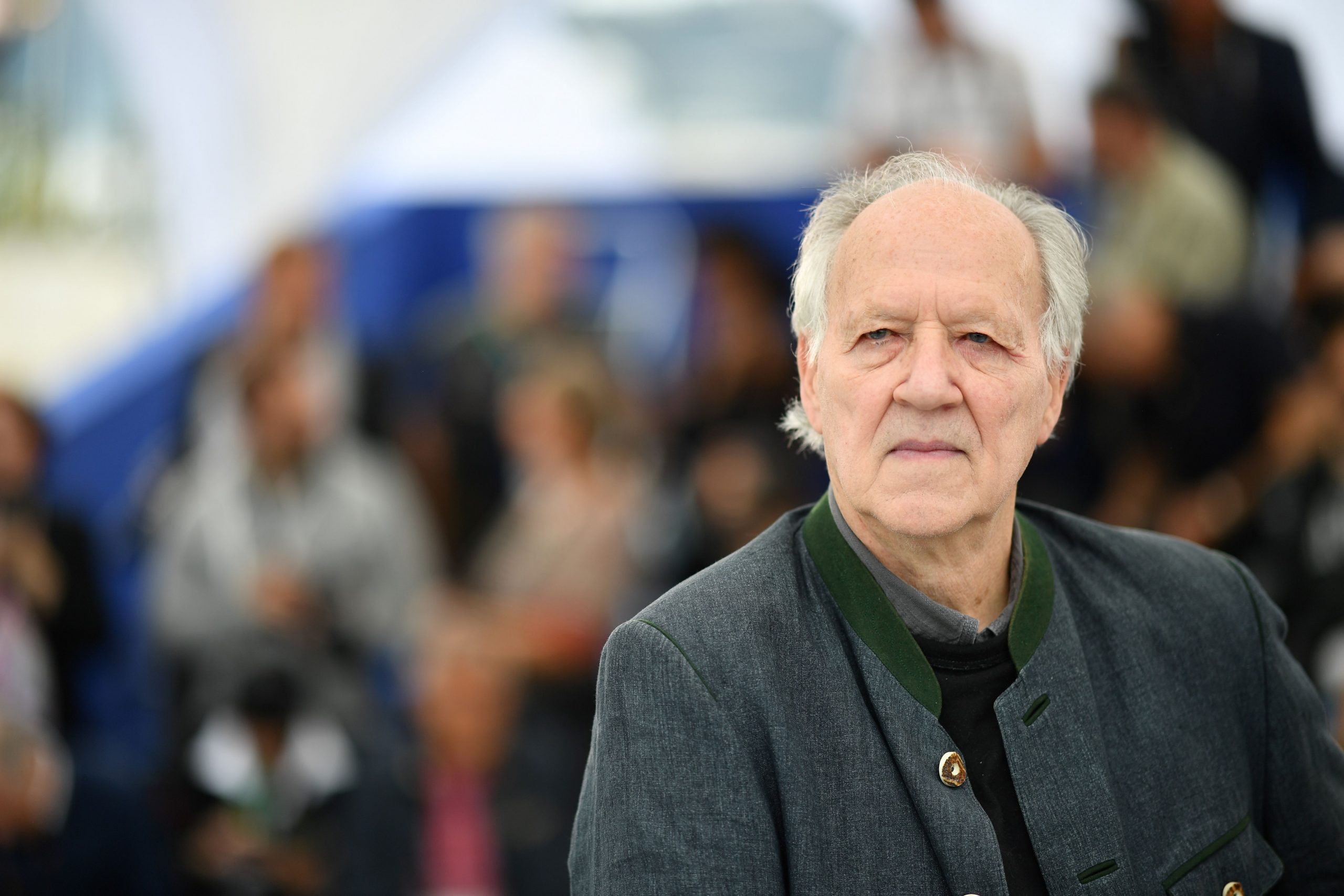
Werner Herzog’s Age and Artistic Journey
Introduction

Few filmmakers in the history of cinema possess the mythic stature of Werner Herzog. From dragging a massive steamship over a mountain in the Peruvian jungle to hypnotizing his entire cast for Heart of Glass, Herzog has lived a life as adventurous and uncompromising as any of his cinematic protagonists. Yet, beneath the tales of jungle expeditions and volcanic eruptions lies a fundamental, grounding reality of time. Examining Unrevealed: Werner Herzog’s Age and Its Impact on His Artistic Journey! offers a fascinating lens through which to view a career that spans over six decades of relentless creation.
Born in Munich on September 5, 1942, Herzog grew up amidst the ruins of World War II Germany. This formative backdrop instilled in him a stark resilience and a fascination with both the sublime and the terrifying aspects of human nature. As the decades have passed, Herzog’s relationship with time, mortality, and creative stamina has shifted. Far from slowing down as he entered his later years, Herzog has accelerated his output, proving that artistic drive knows no expiration date.
The Early Years: Audacity and Youthful Defiance
To understand the weight of Herzog's later work, one must look at how his career began. In his twenties, Herzog was a quintessential cinematic radical. Without formal film school training, he founded his own production company at age 19 and directed his first feature film, Signs of Life, when he was just 26 years old.
During this explosive early period, his art was defined by a raw, youthful defiance of physical and logistical limits. Key characteristics of his early filmography included:
- Extreme Locations: Venturing into hostile environments like the Amazon rainforest and the Sahara desert.
- Psychological Intensity: Exploring the thin line between genius and madness, famously collaborated with the volatile actor Klaus Kinski.
- Visionary Guerrilla Tactics: Financing and shooting films through sheer force of will, often capturing improvised moments of documentary-style truth within fictional narratives.
At this stage, Herzog’s age was synonymous with fearlessness. He possessed the physical stamina to endure brutal shoots and the stubborn ego required to bend hostile environments to his artistic vision.
Middle Age: Expanding Horizons and Documenting Truth
As Herzog entered middle age, his artistic journey evolved. While he continued to direct narrative features—such as Cobra Verde (1987) and Scream of Stone (1991)—his focus gradually pivoted toward documentary filmmaking. This transition was not a retreat from the spotlight, but rather a maturation of his artistic philosophy.
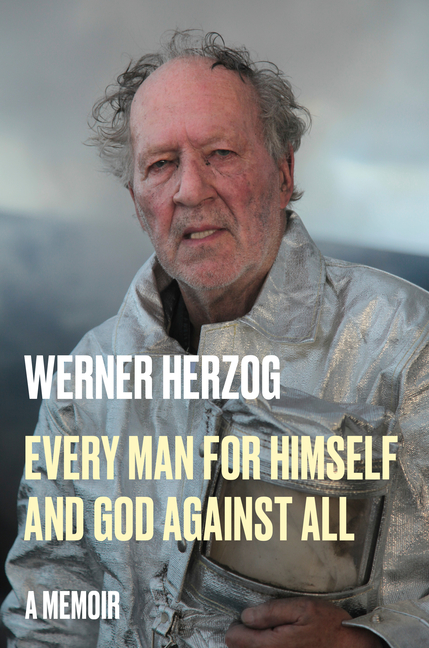
Video: Filmmaker Werner Herzog writes about his prolific and varied career in new memoir
In his fifties and sixties, Herzog began to view the world with a wider lens. He became less interested in the constructed madness of fictional characters and more captivated by the genuine eccentricities of real human beings and the indifferent cruelty of nature. Masterpieces like Grizzly Man (2005) and Encounters at the End of the World (2007) showcased a filmmaker who had developed profound patience. His age brought authority, allowing him to sit quietly with his subjects, listening rather than merely commanding.
Late Career: Prolific Output and the Myth of Retirement
Today, as an octogenarian, Herzog continues to defy the traditional trajectory of aging artists. Many directors of his vintage retreat into quiet retirement or struggle to secure funding, but Herzog remains a ubiquitous presence in global cinema. His recent filmography is remarkably dense, featuring narrative works like Family Romance, LLC (2019) alongside breathtaking documentary explorations such as Fireball: Visitors from Darker Worlds (2020) and The Fire Within: A Requiem for Katia and Maurice Krafft (2022).
Rather than viewing advancing years as an obstacle, Herzog treats time as a precious, rapidly depleting resource that demands absolute urgency. In numerous interviews, he has expressed a disdain for the very concept of retirement, noting that he has dozens of unmade scripts waiting in his desk drawers. For Herzog, breathing and making films are nearly synonymous.
How Wisdom Shapes Modern Storytelling
The impact of aging on Herzog’s work is most visible in his evolving thematic concerns. While his early films interrogated the struggle of man against nature, his later works often reflect on human legacy, technology, and the fragile beauty of our existence.
His distinct, deadpan voiceover narration—once used to deliver stark, poetic observations in his youth—now carries the comforting, resonant weight of an elder statesman of cinema. When Herzog speaks about the cosmos, artificial intelligence, or the deep wilderness, audiences listen not just because his observations are profound, but because they are delivered by a man who has spent over eighty years actively testing the boundaries of human experience.
Conclusion
Werner Herzog’s artistic journey is a masterclass in longevity and creative reinvention. By refusing to let age dictate his ambitions, he has redefined what it means to be an elder artist in the modern film industry. From the fierce, uncompromising outbursts of his youth to the profound, contemplative curiosity of his later years, Herzog proves that true cinematic vision only deepens with time.