WesSpur Tree Equipment: Complete Guide for Arborists
When it comes to professional arboriculture, having reliable, high-performance gear is not just a preference—it is a matter of safety. For decades, professionals and hobbyists alike have turned to WesSpur tree equipment to outfit their kits with ropes, saddles, rigging gear, and climbing hardware. Whether you are stepping onto the job site for the first time as a ground worker or managing a full-scale tree care operation, understanding what this supplier offers can help you make informed purchasing decisions.

The History and Reputation of WesSpur
Founded by arborists for arborists, WesSpur has built its reputation on deep industry knowledge and customer service. Unlike general hardware stores, a specialized arboriculture supplier understands the specific demands of working at heights, dealing with heavy timber, and maintaining compliance with safety standards like ANSI and OSHA.
Buying from a dedicated tree care supplier ensures that the ropes you buy have the proper tensile strength, the saddles meet strict ergonomic and safety criteria, and the hardware is rated for overhead lifting. This specialized focus is why many professional climbing crews rely on WesSpur for their ongoing gear replacement cycles.
Core Categories of WesSpur Tree Equipment
To build a complete kit, arborists generally divide their purchases into a few key categories. Here is a breakdown of the primary equipment types available through specialized suppliers like WesSpur:
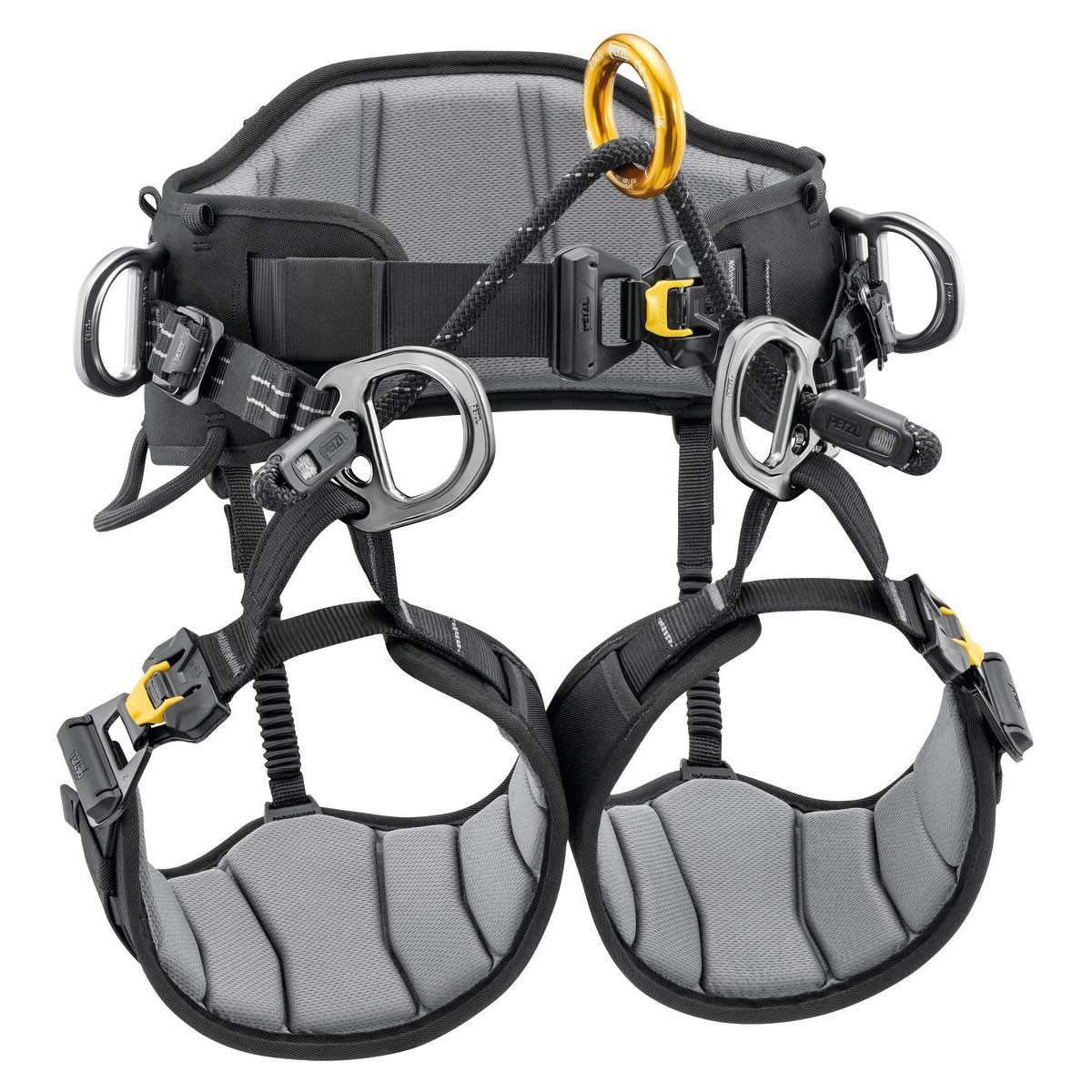
- Climbing Saddles: Ergonomic harnesses designed for long hours suspended in the canopy, featuring multiple attachment points and tool loops.
- Arborist Ropes: Specialized static and dynamic lines for climbing (DRT and SRT/SRS), as well as heavy-duty bull ropes for rigging.
- Hardware: Carabiners, pulleys, friction savers, ascenders, and descenders engineered for high loads and smooth operation.
- Personal Protective Equipment (PPE): Chainsaw chaps, helmets, eye protection, and high-visibility clothing.
Climbing Saddles and Fit
Your saddle is arguably your most personal piece of gear. A proper fit prevents fatigue and lower back pain during long days aloft. Popular brands featured in professional catalogs include:
- Petzl
- Edelrid
- Notch
- Buckingham
When selecting a saddle, consider whether you practice Double Rope Technique (DRT) or Single Rope Technique (SRT). Modern modular saddles allow you to adjust bridge heights and add specialized attachment bridges to suit your climbing style.
Ropes and Cordage
Choosing the right rope is critical for both safety and efficiency. Arborist lines require a balance of knot-holding ability, durability against bark abrasion, and elongation characteristics. Low-stretch lines are essential for modern SRT climbing systems, while traditional double-braid ropes remain favorites for moving rope systems (MRS).
Rigging and Heavy Timber Handling
Felling and dismantling trees near structures requires precise load control. Rigging equipment takes the brunt of heavy forces, making equipment ratings paramount.
Rigging Pulleys and Blocks

Using a block instead of a standard carabiner or pulley allows ground crews to redirect high loads smoothly. High-capacity blocks reduce friction, protecting both the anchor point and the ground worker controlling the friction device.
Portawrap and Friction Devices
Friction devices like the Portawrap allow ground personnel to lower massive logs and limbs with minimal physical strain. By taking wraps around the device, the friction absorbs the dynamic force of a falling piece rather than the person holding the rope.
Chainsaws and Cutting Tools
No arborist kit is complete without cutting implements. While saws themselves come from major manufacturers like Husqvarna, Echo, and Stihl, specialized suppliers provide the essential accessories:
- Carving bars and specialized chains for precision pruning.
- Chain saws lanyards to secure top-handle saws to the climber's harness.
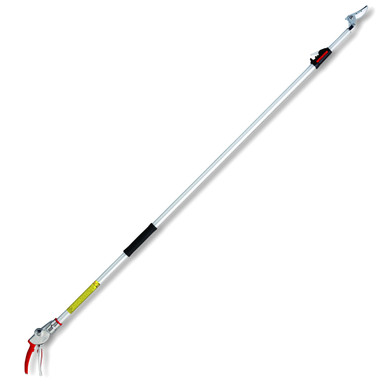
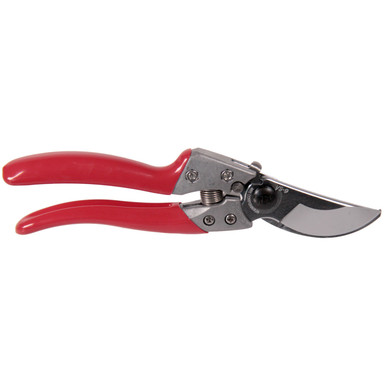
- Wedges, felling levers, and hand saws for ground operations.
Always ensure that any top-handle chainsaw used aloft is properly connected via a breakaway lanyard to prevent dropped object hazards while maintaining user safety.
How to Choose the Right Gear for Your Skill Level
Investing in tree care equipment requires balancing budget with quality. If you are building your first kit, consider the following steps:
- Prioritize Safety Certification: Never compromise on safety. Ensure all harnesses, helmets, and carabiners carry recognized industry certifications (ANSI Z133, CE, EN).
- Start with Essentials: Buy a comfortable, certified saddle, a reliable climbing rope, a friction saver, and basic PPE before investing in advanced mechanical ascenders or complex rigging systems.
- Seek Expert Advice: Utilize customer service teams at specialized suppliers who can answer technical questions about rope compatibility and hardware interactions.
Maintaining Your Arborist Equipment
Once you have invested in professional-grade gear, proper maintenance ensures longevity and safety. Inspect your ropes regularly for core shots, fraying, or chemical contamination. Wash synthetic ropes in cold water with mild detergent when they become heavily soiled with sap and dirt.
Metal hardware should be checked for cracks, deep gouges, or gate malfunctions. Keep carabiners clean and lubricated according to manufacturer instructions. Store all textiles away from direct sunlight, moisture, and chemical storage areas to prevent UV degradation and material breakdown.
Conclusion
Equipping yourself for modern tree care demands gear that is durable, certified, and ergonomically sound. By sourcing quality items through trusted distributors like WesSpur, arborists can climb with confidence, knowing their equipment is up to the rigorous demands of day-to-day canopy work. Prioritize safety, invest in proper training, and maintain your gear diligently for a long, successful career in arboriculture.