What Age Did Judy Garland Die? Her Life and Legacy
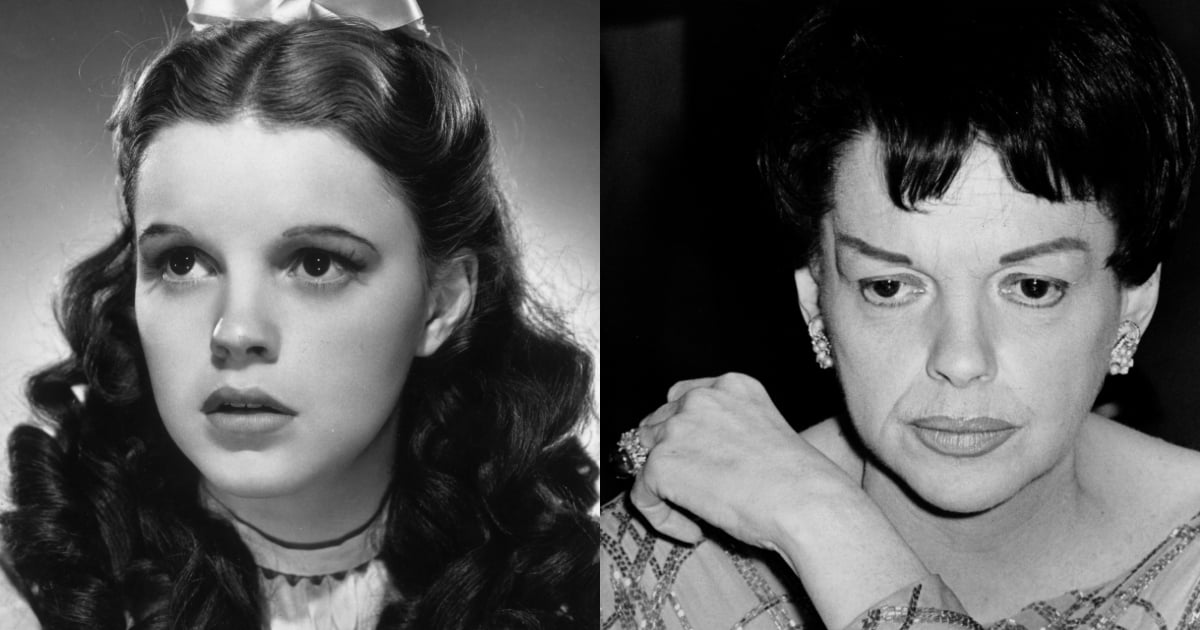
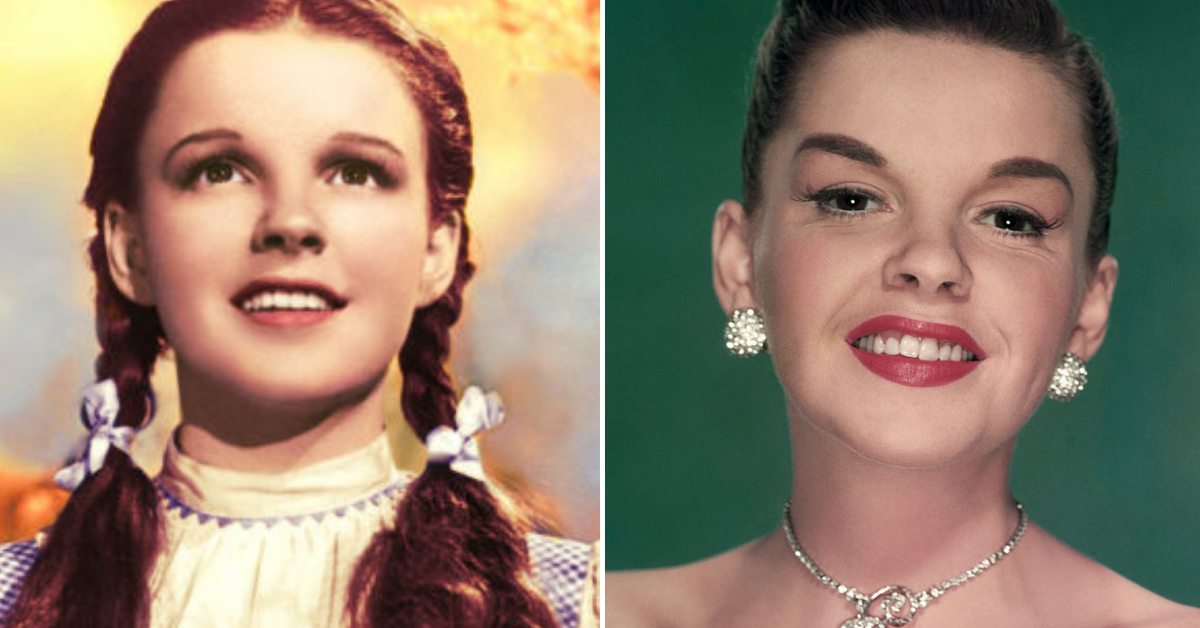
Judy Garland remains one of the most celebrated performers in entertainment history. Best known for her iconic role as Dorothy Gale in The Wizard of Oz, her transcendent singing voice, and her powerhouse dramatic performances, Garland captivated audiences across four decades. Yet behind her luminous talent lay a life marked by emotional turmoil, severe industry exploitation, and chronic health struggles. Decades after her passing, many fans and film historians still ask: what age did Judy Garland die, and what events led to the loss of such an incomparable talent?

Judy Garland died on June 22, 1969, at the age of 47. Her life was cut short just twelve days after her 47th birthday, leaving behind a devastated global fanbase, three children, and a complex artistic legacy that continues to resonate today.
What Age Did Judy Garland Die and How Did She Pass Away?
When Judy Garland passed away at age 47, she was living in a rented mews house in the Chelsea district of London with her fifth husband, musician and manager Mickey Deans. On the morning of June 22, 1969, Deans discovered Garland unresponsive inside the locked bathroom of their home. Emergency medical personnel were summoned, but she was pronounced dead at the scene.
Because of her fame and ongoing rumors about her mental health, speculation immediately surfaced regarding whether her death was a deliberate suicide. However, the official inquest led by London coroner Gavin Thurston quickly dismissed those claims. Following a thorough autopsy and toxicological screening, Thurston ruled Garland’s death as an accidental overdose of barbiturates.
Key findings from the coroner's report included:
- Cause of death: An incautious, lethal accumulation of quinalbarbitone (a prescription barbiturate widely used as a sleeping aid).
- No evidence of suicide: There were no signs of physical trauma, nor was there any indication that she had consumed an immediate, massive dosage in an intentional effort to end her life.
- Chronic deterioration: The autopsy revealed cirrhosis of the liver and severe long-term bodily exhaustion, indicating that her physical reserves were entirely depleted after decades of stress, dietary restriction, and prescription drug dependency.
The Studio System and the Origin of Her Health Battles
To understand why Garland died at such an early age, one must examine the grueling studio system that shaped her formative years. Born Frances Ethel Gumm in Grand Rapids, Minnesota, in 1922, Garland signed a contract with Metro-Goldwyn-Mayer (MGM) at just thirteen years old.
Hollywood studio executives immediately placed intense pressure on Garland regarding her appearance and work output. Studio chief Louis B. Mayer infamously referred to her as his “little hunchback,” contrasting her girl-next-door looks with glamorous contemporaries like Ava Gardner and Lana Turner. To maintain her weight, studio doctors put Garland on extreme diets consisting of black coffee, chicken broth, cigarettes, and diet pills.
The Dangerous Cycle of “Uppers” and “Downers”
During the late 1930s and 1940s, the practice of medicating young performers was alarmingly common. Studio supervisors routinely administered amphetamines to Garland and her frequent co-star Mickey Rooney so they could endure eighteen-hour filming days. When it came time to sleep, the studio provided barbiturates to counteract the stimulants.
This chemically forced rhythm caused Garland to develop a severe, lifelong addiction to prescription pharmaceuticals. By her early twenties, her nervous system was heavily dependent on medication to regulate sleep, appetite, and energy, setting off a cycle of physical and psychological trauma that haunted her for the rest of her adult life.
A Career Defined by Triumph and Resilience
Despite her backstage battles, Garland’s artistic output was nothing short of extraordinary. Her career was characterized by remarkable comebacks that proved the depth of her talent went far beyond studio-manufactured charm.
Breakthrough Roles and Acclaim
Garland starred in more than two dozen motion pictures for MGM, cementing her position as a generational talent with musicals such as:
- The Wizard of Oz (1939) – Awarded an Academy Juvenile Award for her performance.
- Meet Me in St. Louis (1944) – Directed by Vincente Minnelli, who became her second husband.
- Easter Parade (1948) – Pairing her with Fred Astaire in one of the decade's biggest musical hits.
The Historic Concert Years

After MGM terminated her contract in 1950 due to health-related production delays, Garland reinvented herself as a world-class concert performer. In 1954, she delivered a career-defining dramatic performance in George Cukor’s A Star Is Born, earning an Academy Award nomination for Best Actress.
On April 23, 1961, Garland performed at New York’s Carnegie Hall. Often called “the greatest night in show business history,” the live recording spent 73 weeks on the Billboard charts and won four Grammy Awards, including Album of the Year, making Garland the first woman to win the category.
The Difficult Final Years
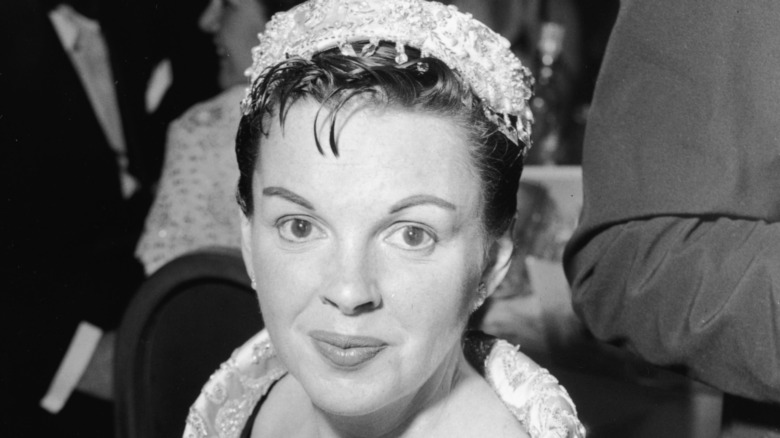
By the late 1960s, Garland faced mounting financial crises alongside her declining physical health. Plagued by embezzlement by former managers and unresolved tax debts with the IRS, she was forced to continue touring relentlessly despite suffering from recurring bouts of hepatitis and chronic kidney ailments.
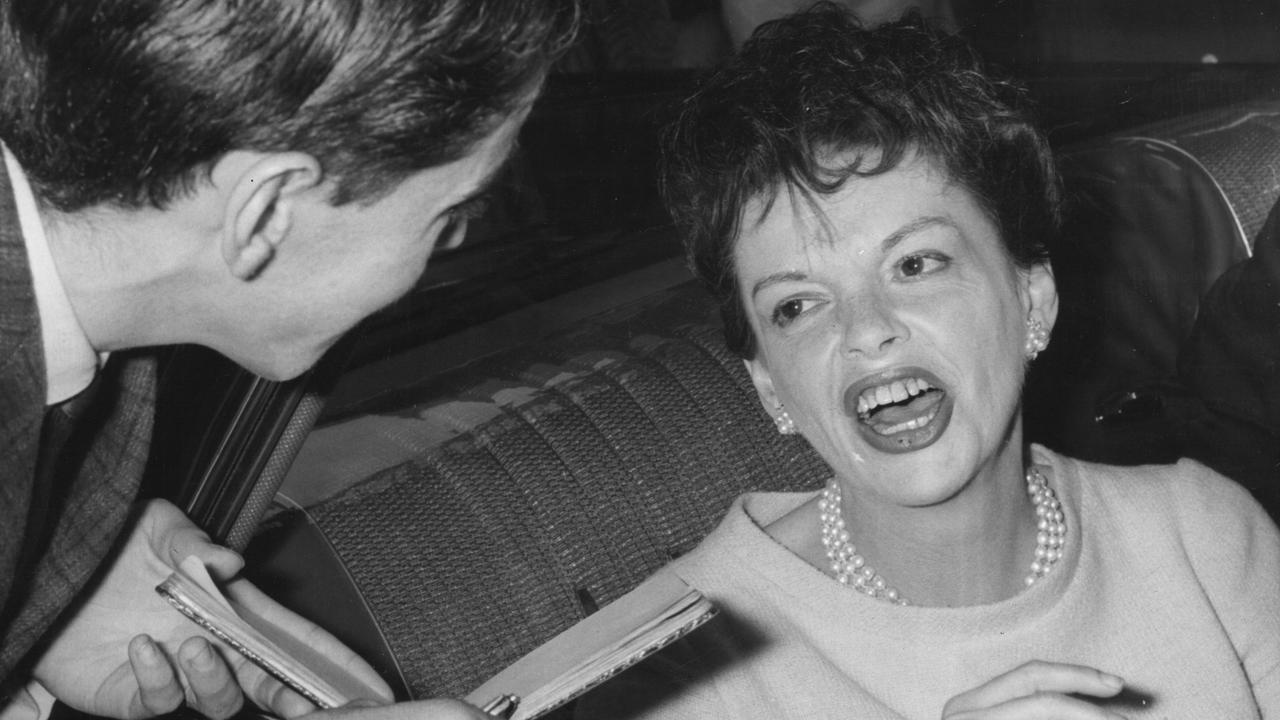
In early 1969, Garland undertook a five-week run of performances at London's Talk of the Town nightclub. The engagement was tumultuous; while some nights showcased flashes of her breathtaking vocal control, other evenings saw her arrive late, struggle with lyrics, and face hostile crowds. London provided a haven away from American creditors, but her physical body was running out of time.
Mourning a Legend: Funeral and Resting Place
Garland’s funeral was held on June 27, 1969, at the Frank E. Campbell Funeral Chapel in New York City. More than 20,000 mourners lined the streets of Manhattan in the summer heat to pay their respects to the star. Her Wizard of Oz co-star Ray Bolger (the Scarecrow) attended, along with her children Liza Minnelli, Lorna Luft, and Joey Luft.
Her passing on June 22 coincided closely with the Stonewall Riots, which erupted in Greenwich Village in the early morning hours of June 28, 1969. While urban legend frequently suggests Garland’s funeral directly sparked the rebellion that launched the modern LGBTQ+ rights movement, historians note that the community's immense grief over her death contributed significantly to the emotional atmosphere in New York that week.
Garland was initially interred in a crypt at Ferncliff Cemetery in Hartsdale, New York. In January 2017, at the request of her daughter Liza Minnelli, Garland's remains were moved across the country to the Hollywood Forever Cemetery in Los Angeles. She now rests in the Judy Garland Pavilion, ensuring she is permanently memorialized in the city where her legendary career was born.
Frequently Asked Questions
Where was Judy Garland when she died?
Judy Garland died in the Chelsea neighborhood of London, England, in a rented home on Cadogan Lane.
Who was married to Judy Garland at the time of her death?
Her fifth husband, Mickey Deans, was married to her when she died. The couple had married in London in March 1969, just three months before her passing.
How old were Judy Garland's children when she passed away?
At the time of Garland's death in June 1969, her eldest daughter, Liza Minnelli, was 23 years old. Her daughter Lorna Luft was 16, and her son Joey Luft was 14.