What Character-Based Ethics Argues
When faced with a difficult moral dilemma, most people instinctively ask, "What should I do?" They look for a rule to follow or try to calculate which choice will produce the best outcome. However, an entirely different tradition in moral philosophy bypasses rulebooks and calculators to ask a deeper question: "What kind of person should I be?" This fundamental shift in perspective is what character-based ethics argues.

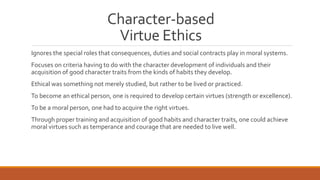
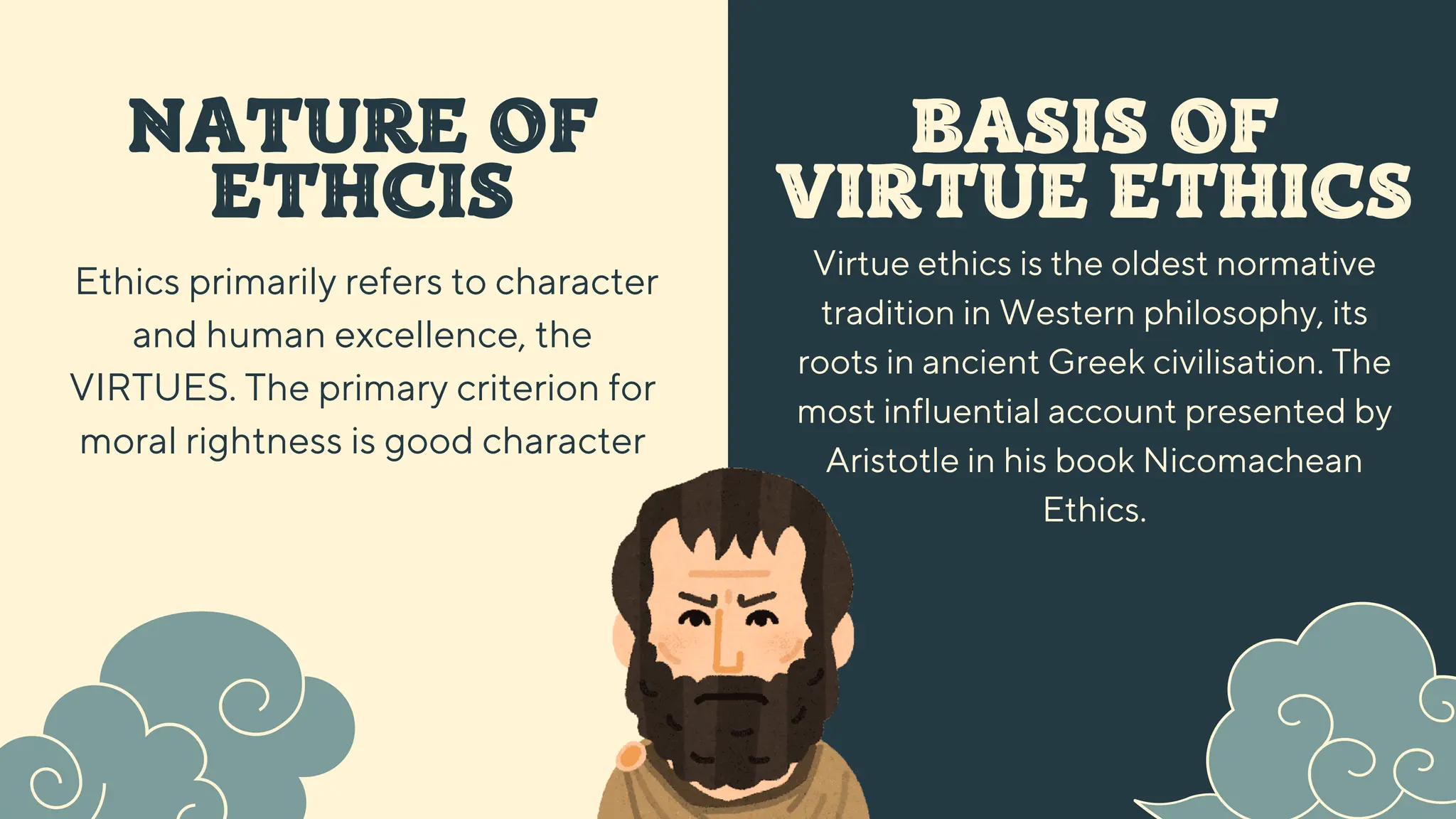
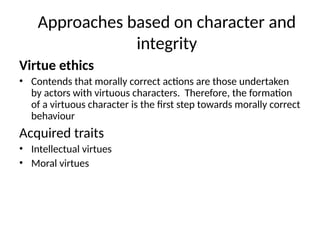
Often referred to as virtue ethics, this approach traces its roots back to ancient Greek philosophers like Plato and Aristotle. Rather than judging the morality of an action based solely on whether it follows a universal rule or maximizes happiness, character-based ethics evaluates the intrinsic character of the person performing the action. In this view, right action naturally flows from right being.
Core Tenets of Character-Based Ethics
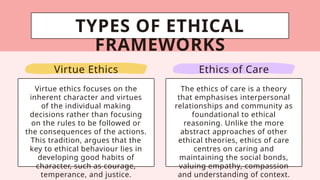
To fully understand what character-based ethics argues, we must examine its foundational concepts. Unlike deontological ethics (duty-based) or utilitarianism (consequentialism), virtue ethics focuses heavily on human flourishing, habituation, and moral agency.
Virtue as the Centerpiece
At the heart of this philosophical framework are virtues—character traits such as courage, honesty, compassion, justice, and temperance. A virtue is not merely a passing mood or a one-time good deed. Instead, it is a deeply ingrained disposition of the mind and heart.
Character-based ethics argues that developing these virtues is the ultimate aim of a moral life. A person is considered good not simply because they follow the rules, but because they embody these positive traits consistently across various situations.
The Golden Mean
Aristotle introduced the idea that virtues generally represent a mean between two extremes of deficiency and excess. For example:
- Courage is the midpoint between cowardice (too little courage) and recklessness (too much).
- Generosity is the midpoint between stinginess and wasteful extravagance.
- Proper pride sits comfortably between undue humility and empty vanity.
Finding this balance requires practical wisdom, or phronesis. Character-based ethics argues that moral goodness is not a rigid formula, but a skillful navigation of life's complexities using practical judgment.
Action Follows Character
Another major argument within this tradition is that actions are symptoms of underlying character. A dishonest person might occasionally tell the truth when it serves their interests, but they cannot be called an honest person because truthfulness is not part of their stable character. Conversely, a truly compassionate person will naturally act with kindness because of who they are, not because a law compels them to do so.
Video: The Case for Virtue Ethics!

How Character-Based Ethics Differs From Other Systems
To appreciate the unique perspective of character-based ethics, it helps to contrast it with the other two dominant schools of normative ethics:
- Deontology (Duty-Based Ethics): Associated with Immanuel Kant, deontology argues that actions are inherently right or wrong, regardless of their consequences. It relies on strict moral rules, such as "never lie." Character-based ethics criticizes this for being too rigid and ignoring the emotional and relational context of moral life.
- Utilitarianism (Consequentialism): Associated with John Stuart Mill and Jeremy Bentham, utilitarianism judges actions by their outcomes, aiming to produce the greatest good for the greatest number. Character-based ethics argues that utilitarianism can justify immoral acts—such as punishing an innocent person to prevent a riot—if the net result is positive. Virtue ethics places a firm boundary on what a good person is willing to do.
Practical Application in Modern Life
Character-based ethics is not just an abstract academic theory; it has profound implications for how we live, work, and lead today. Because it emphasizes long-term personal growth over checklist morality, it translates remarkably well into various real-world domains.
Moral Education and Habit Formation
Since virtues are habits, they cannot be learned simply by reading a textbook. Character-based ethics argues that we acquire virtues through practice, mentorship, and emulation. Just as someone learns to play an instrument by practicing daily under the guidance of a teacher, individuals develop moral character by performing virtuous acts until they become second nature.
Professional Ethics and Leadership
In business and organizational leadership, rules and compliance manuals often fail to prevent ethical scandals. Leaders can technically follow every legal regulation while still acting in deeply unethical ways. A character-based approach to leadership focuses on cultivating integrity, fairness, and accountability in executives, ensuring that ethical behavior is driven by corporate culture and personal conviction rather than fear of punishment.
Criticisms and Limitations
Like any philosophical framework, character-based ethics faces valid critiques. Understanding these limitations provides a more balanced view of what the theory can and cannot achieve.
- The Guidance Problem: Critics argue that virtue ethics fails to provide clear, actionable rules for specific moral dilemmas. Telling someone to "be courageous" does not solve the complex question of whether to blow the whistle on a corrupt employer or how to allocate scarce medical resources.
- Cultural Relativism: What counts as a virtue can vary significantly across different cultures and eras. Critics question whether character-based ethics can offer objective moral standards or if it simply reflects the dominant values of a specific society.
- The Consistency Challenge: Social psychology experiments suggest that human behavior is often driven by situational pressures rather than fixed internal traits, calling into question whether stable "character traits" truly exist in the way virtue ethicists imagine.
Conclusion
Ultimately, character-based ethics argues that morality is an active, lifelong journey of self-improvement and cultivation. While it may lack the rigid rulebooks of deontology or the neat calculations of utilitarianism, it offers something arguably more profound: a vision of human life centered on excellence, wisdom, and deep-seated moral integrity. By focusing on who we are becoming, virtue ethics reminds us that our choices do not just shape the world around us—they shape who we are.