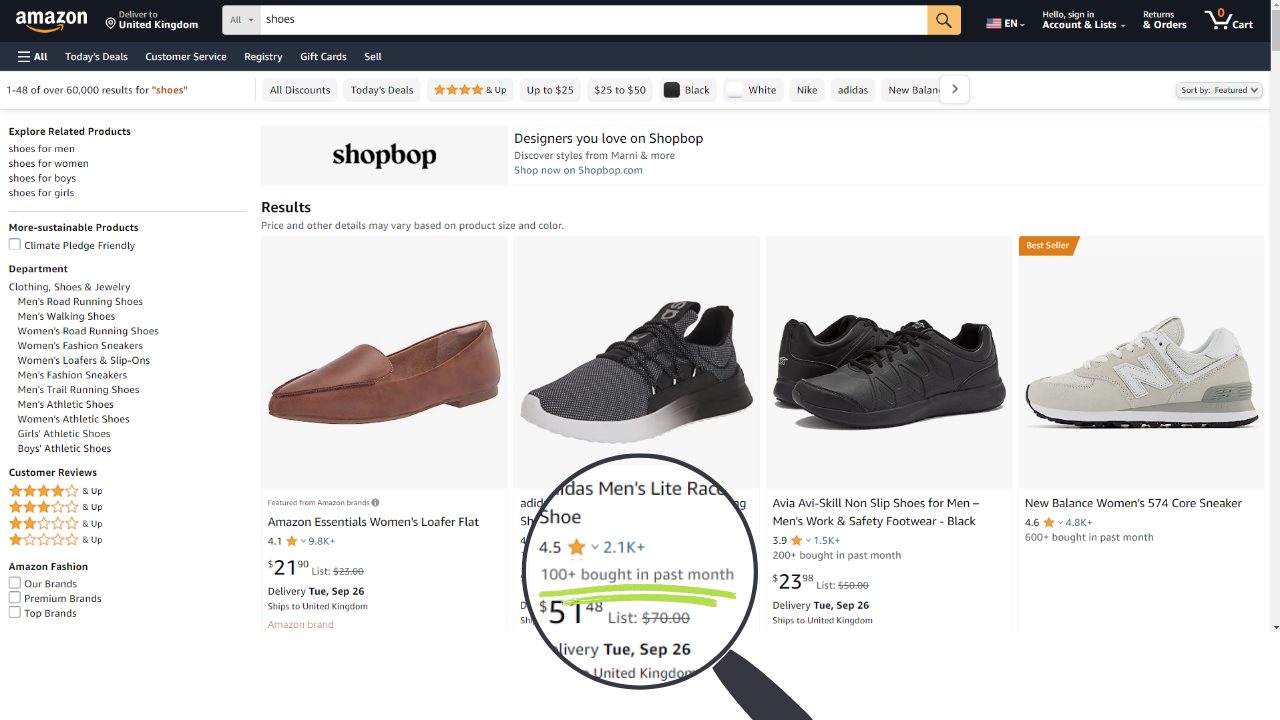
What Does '50+ bought in past month' Mean on Amazon?
If you regularly shop on Amazon, you have likely noticed dynamic little tags popping up near product titles and pricing information. One of the most common badges you will see while scrolling through search results is the "50+ bought in past month" label. But what does this phrase actually signify, and can you trust it when deciding whether to add an item to your cart?

As Amazon continually updates its interface to help consumers navigate millions of competing listings, understanding these social proof badges is essential. In this guide, we will break down how these volume metrics work, why Amazon displays them, and how they should influence your online shopping habits.
Understanding the "50+ bought in past month" Tag
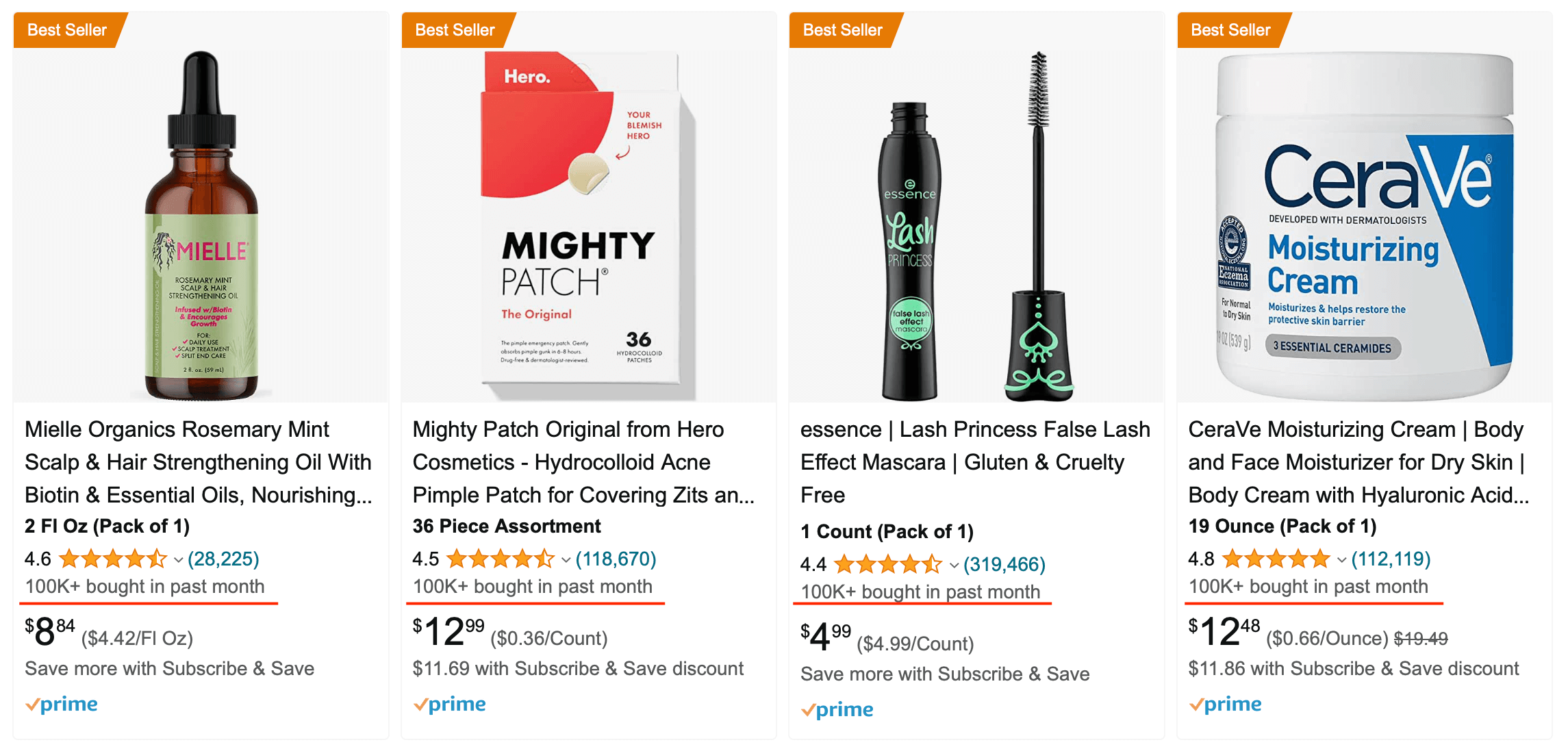
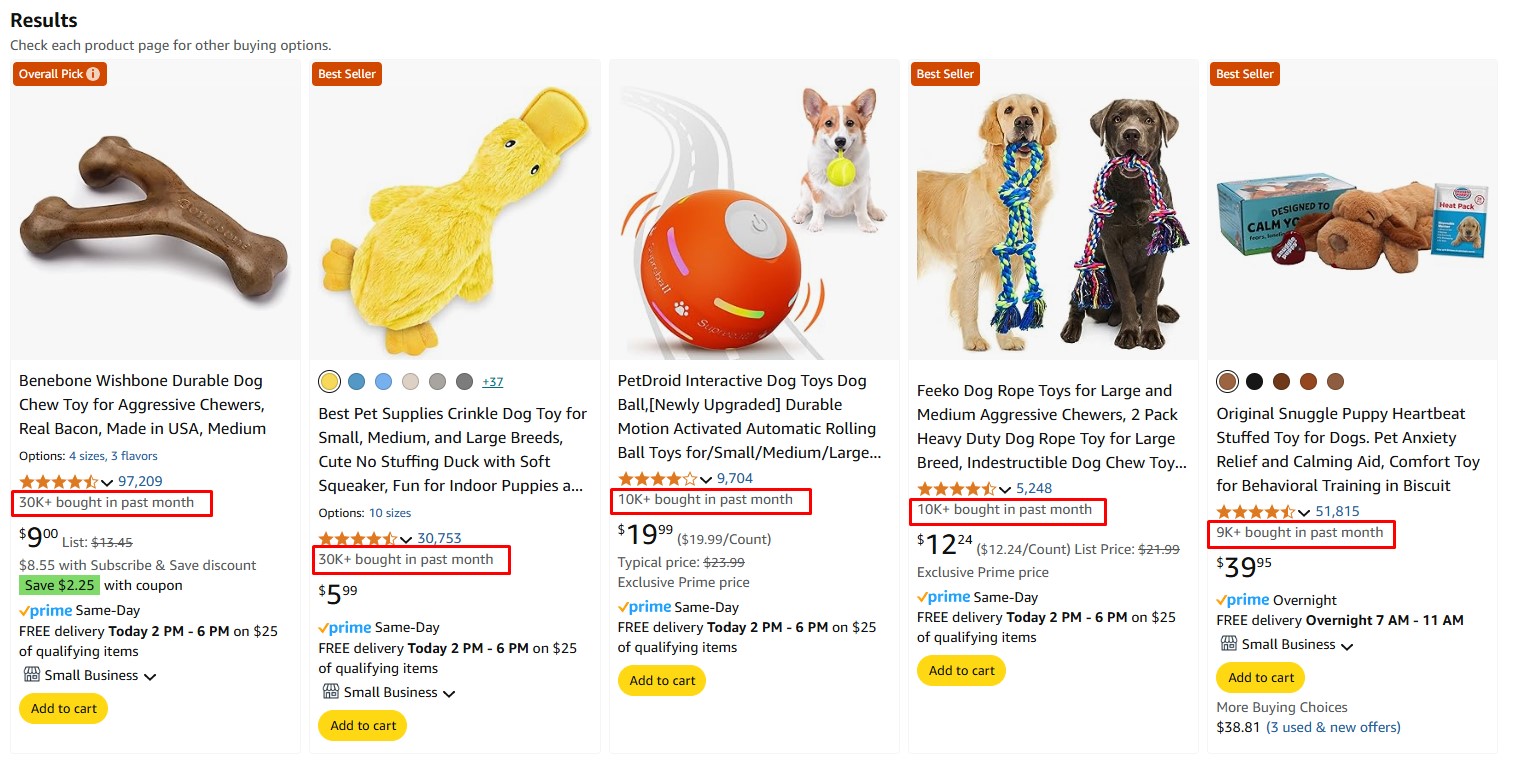
The "50+ bought in past month" tag is a dynamic sales velocity indicator. Unlike static reviews or permanent product descriptions, this label changes based on recent consumer behavior. Essentially, Amazon's backend algorithm tallies up all completed purchases for a specific product variation or ASIN (Amazon Standard Identification Number) over the preceding 30 days and translates that data into a rounded, easy-to-read threshold.
You might see variations of this badge depending on the product's popularity. For niche items or slower-moving goods, you might see "50+ bought in past month" as a baseline indicator of steady movement. For viral or highly sought-after goods, this scale quickly climbs to hundreds or thousands of purchases.
How Amazon Calculates Recent Sales Data
Amazon processes billions of transactions globally, giving the platform access to massive datasets. The calculation for the past-month badge is entirely automated:
- Rolling 30-Day Window: The metric looks backward from the current day, meaning the data drops off and updates continuously rather than resetting at the beginning of a calendar month.
- Variation Aggregation: For items available in multiple sizes, colors, or packs, the badge typically reflects the combined sales volume of the parent listing unless a specific variation sells drastically better.
- Return Filtering: While algorithms account for immediate order cancellations, they generally measure gross units sold rather than net keeping-rate, though fraudulent or refunded orders are routinely scrubbed to maintain metric integrity.
Why Does Amazon Display This Metric?
Video: WHOA!! I Bought 50+ PS5 Games in 60 Days
From a psychological and user-experience standpoint, these sales badges serve a very specific purpose. Online shopping lacks the tactile nature of brick-and-mortar retail; you cannot physically see a crowded aisle or watch other shoppers picking items off a shelf.
By displaying labels like "50+ bought in past month," Amazon introduces digital social proof. When shoppers see that dozens of other people have purchased an item recently, it reduces perceived risk. It answers the subconscious question: "Is this a reputable product that people actually buy?" For third-party sellers, earning these volume badges can dramatically improve click-through rates and conversion percentages.
Can You Trust the "50+ bought in past month" Label?
For the most part, these tags reflect genuine consumer activity. Amazon has strict anti-manipulation policies designed to prevent sellers from faking sales volume through automated bots or wash trading. Attempting to manipulate sales metrics can result in severe penalties, including listing suppression or account suspension.
However, savvy shoppers should keep a few nuances in mind:
- Volume vs. Quality: A high sales volume means an item is popular, but it does not automatically guarantee high quality. Cheap impulse buys often rack up high numbers simply due to low price points.
- New Listings vs. Established Products: For a brand-new product, hitting the 50-unit threshold is a strong signal of early momentum. For an established commodity, 50 units a month might actually indicate relatively slow sales.
- Context Matters: Always pair the sales badge with a careful review of the actual star rating and detailed customer feedback. A product can easily sell 50 units a month while still receiving mediocre reviews if buyers find flaws after unboxing.
How to Use Sales Badges Wisely
When you are browsing and spot the "50+ bought in past month" label, use it as a helpful data point rather than the sole reason for a purchase. Combine it with other trust signals on the platform, such as:
- Verified Purchase Reviews: Read through the most recent text and photo reviews to see what real users say about durability and performance.
- Seller Metrics: Check whether the item is shipped and sold by Amazon or fulfilled by a reputable third-party brand with a strong feedback profile.
- Price History: Use third-party browser extensions to ensure you aren't paying an inflated price just because a product is trending.
Ultimately, these volume indicators are designed to streamline your shopping journey, helping you spot trending items and popular essentials with just a quick glance at your screen.