What Does 'County Discovered' Mean in Genealogies?
Decoding Historical Terminology
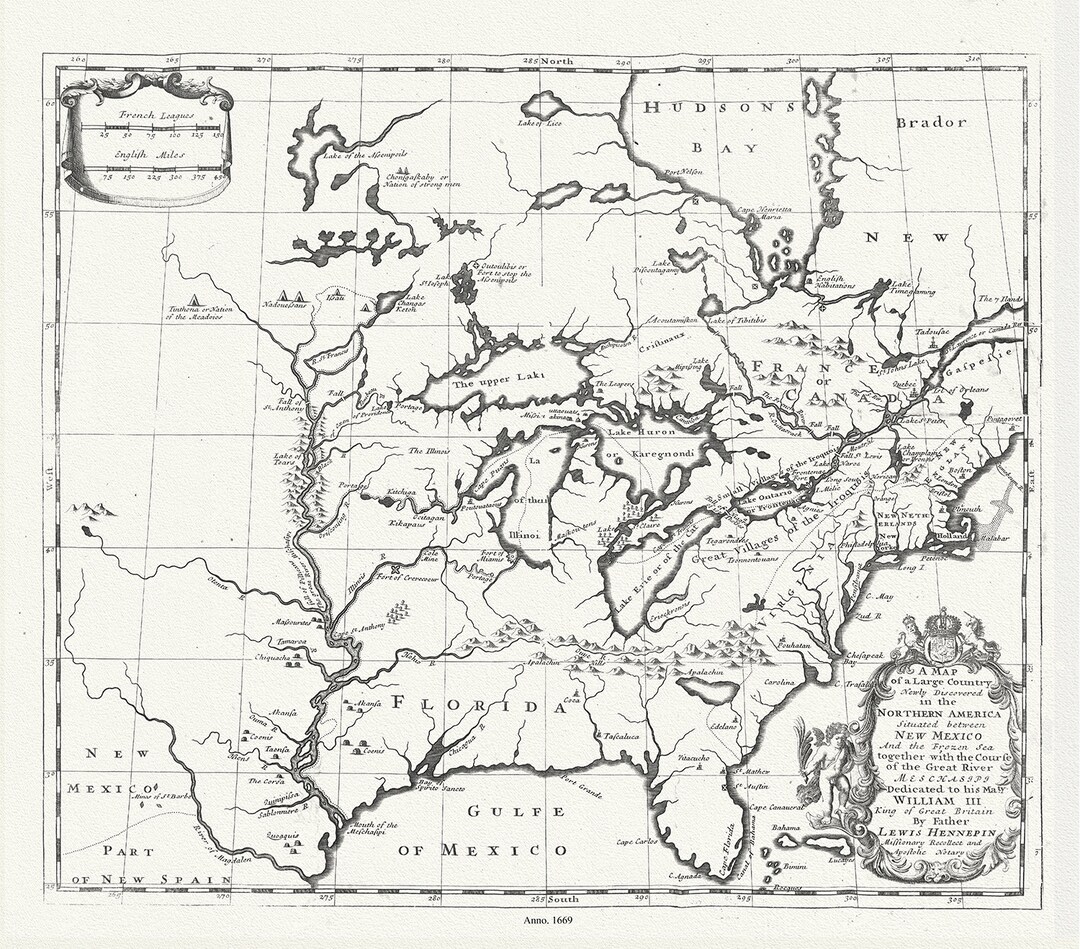
When diving deep into genealogical research or reading historical legal documents from the 18th and 19th centuries, researchers often stumble upon archaic phrases that seem entirely out of context today. One such phrase that frequently puzzles both amateur historians and seasoned genealogists is the concept of a county discovered. While it sounds like a geographical expedition or the unearthing of a new territory on a map, its actual meaning is rooted in legal administration, boundary shifts, and boundary disputes.
Understanding this terminology is vital for anyone trying to trace an ancestor who seemed to move without ever leaving their home. Administrative jurisdictions changed rapidly during the expansion of nations like the United States, Canada, and the United Kingdom. When a record notes that a location or jurisdiction was thus classified, it tells a very specific story about how early governments tracked land, taxation, and citizenry.
The Historical Context of Boundary Creation
To understand why a record might reference a newly recognized or established jurisdiction, you have to look at how land was settled and organized. In early American history, vast tracts of land were initially designated as unorganized territories or assigned to massive, sprawling parent counties. As populations grew, local governments needed a way to manage taxation, law enforcement, and infrastructure.
The phrase often correlates with the formal establishment and surveying of a new administrative district. Before a formal survey was completed, settlers lived in a gray area. Once surveyors mapped the terrain, defined the legal metes and bounds, and the state legislature officially recognized the area, the territory—and by extension, the residents living within it—was formally integrated into the state's legal framework.
How New Jurisdictions Altered Record Keeping
When a new district was officially mapped and named, a ripple effect occurred across all local and state records. Genealogists dealing with this era must understand how these administrative changes impact research:
- Land Patents and Deeds: Property descriptions shifted from referencing a massive parent county to a newly minted local office.
- Tax Rolls: Residents who previously paid taxes to a distant courthouse suddenly found themselves reporting to a local seat of government.
- Court Minutes: Legal disputes, probate records, and orphan court filings were transferred from the old regional archive to the new local courthouse.
Genealogical Strategies for Tracing Ancestors
If your family history research intersects with a period where a region was newly organized or undergoing boundary redefinition, you might hit a brick wall. An ancestor might appear in one census under a specific jurisdiction, and in the next census in a completely different county—all without ever packing a moving box. Here is how to navigate these archival hurdles.
1. Consult Historical County Boundary Maps
Never rely solely on modern maps when tracing ancestors from centuries past. Tools like the Newberry Library's Atlas of Historical County Boundaries are indispensable. These interactive maps allow you to slide through time to see precisely when boundaries shifted, which parent county a region was carved from, and what name it held at any given decade.
2. Track Parent and Child Counties
Most local jurisdictions did not appear out of thin air; they were carved out of older, larger territories. If you cannot find a marriage or birth record in the expected archive, look to the parent county. Conversely, if your ancestor lived in an area right before it was split, their records might remain in the archives of the original governing body for years after the split.
3. Examine Deed and Probate Migrations
When a new regional administration was formed, local officials often copied existing deeds and wills from the parent county's books into the new local registry. However, gaps frequently occurred during these transitions. Always check both the originating county and the newly formed district to ensure no vital records were missed during the administrative handoff.
Conclusion
Encountering unfamiliar archival phrasing can be intimidating, but it is usually a clue rather than a dead end. Recognizing the administrative realities behind the formation of local districts helps bridge the gap in missing records. By utilizing historical maps, understanding boundary evolution, and checking both parent and child jurisdictions, you can successfully track your ancestors through even the most complex historical terrain.