What Does Papi in English Meaning Actually Reveal?
Language is rarely a simple one-to-one exchange of words. When people ask about the papi in english meaning, they are usually looking for a direct English translation of a term they heard in a song, a movie, or from a Spanish-speaking friend. However, translating cultural expressions requires looking beyond the dictionary definition to understand tone, relationship dynamics, and regional context.

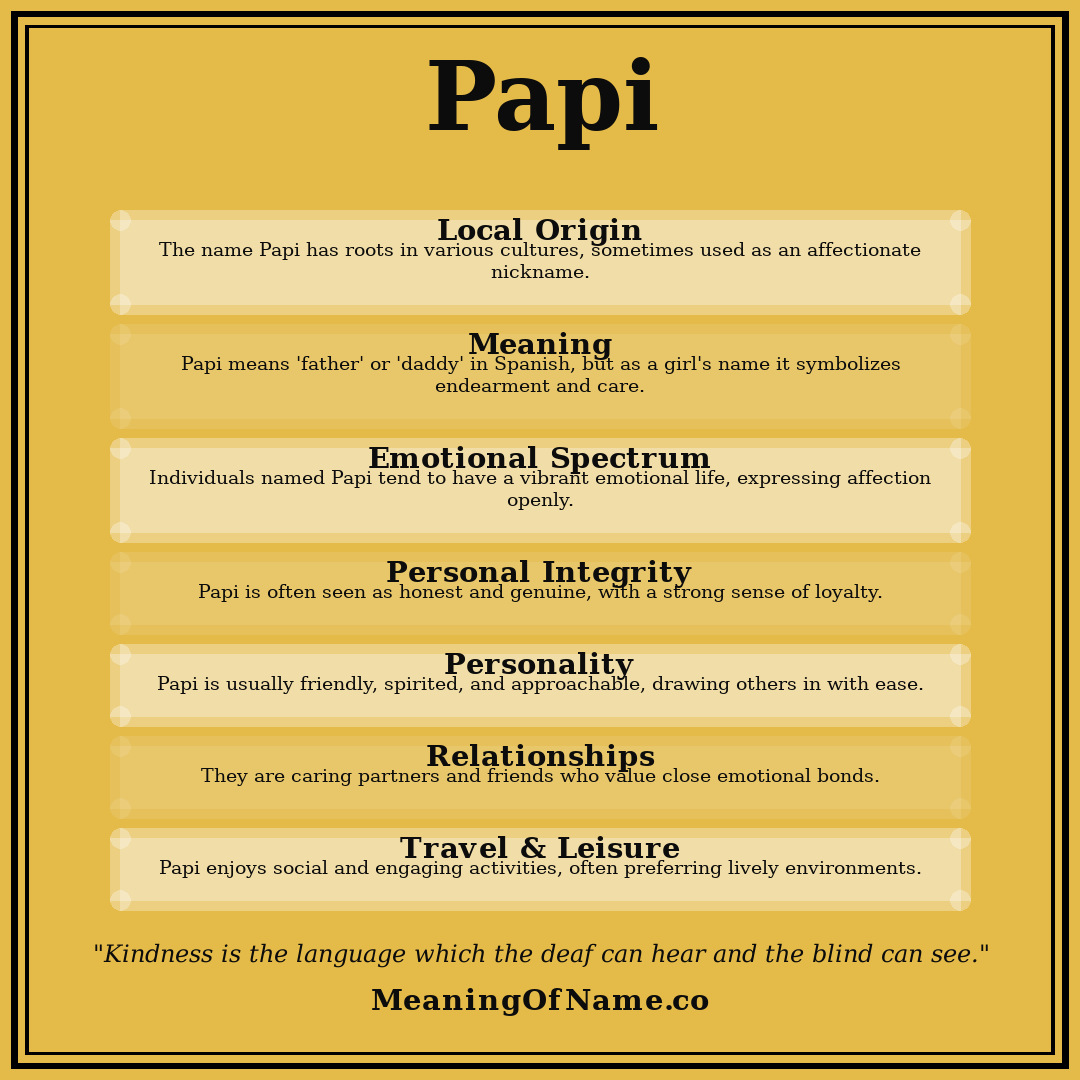
In literal terms, "papi" translates to "daddy" in English. Yet, understanding how this word functions in daily conversation requires a much deeper dive. From traditional familial uses to modern urban slang, the word carries several layers of meaning that change drastically depending on who is saying it and to whom.
Literal Translation vs. Cultural Reality
At its core, "papi" is a diminutive form of the Spanish word papá, which means father. Structurally, adding the "-i" suffix turns it into an affectionate pet name, much like turning "dad" into "daddy" in English. However, this is where the direct parallel between the two languages diverges.
In standard English, calling an adult romantic partner "daddy" can feel jarring or carry specific subcultures' connotations. In contrast, across many Spanish-speaking communities—particularly in the Caribbean, parts of Central and South America, and among Hispanic populations in the United States—"papi" is used fluidly across different types of relationships without carrying the same weight.
The Multiple Layers of Papi in English
To truly grasp what the word means, it helps to break down the three primary contexts in which native Spanish speakers use the term.
1. Familial Affection: Father and Child
In its most innocent and traditional sense, "papi" is used by children to address their fathers. Just as English-speaking children might say "dada" or "daddy," young children in many Spanish-speaking households call their fathers papi. This usage is pure, literal, and rooted in family bonds.
Video: Papi Meaning In English
2. Romantic and Sexualized Endearment
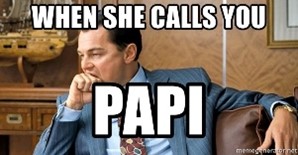
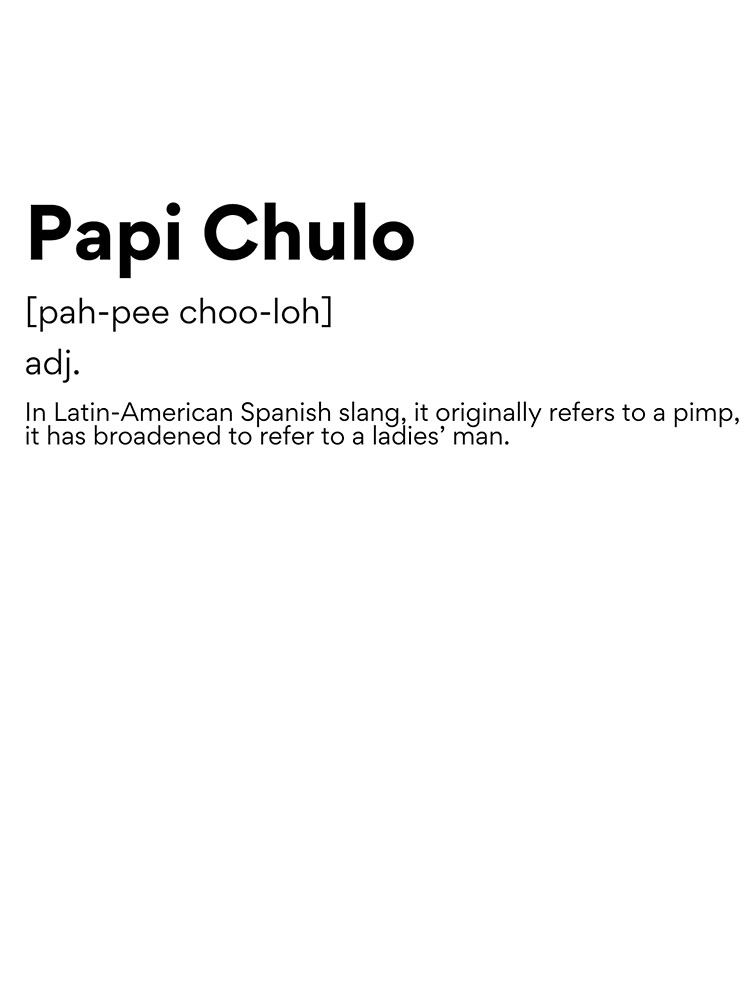
In contemporary popular culture, reggaeton, and hip-hop, "papi" is frequently used as a term of romantic or sexual affection directed at a male partner, husband, or boyfriend. In this context, the closest equivalent to the papi in english meaning is calling someone "babe," "honey," "handsome," or "my man." It expresses physical attraction, warmth, and intimacy.
3. Platonic Slang and Street Culture
Beyond romance and family, "papi" has evolved into a colloquial greeting among friends and acquaintances in urban settings. If you walk into a neighborhood bodega or hang out with a group of friends from the Caribbean, you might hear someone greet another person with, "What's up, papi?" In this scenario, it functions similarly to calling someone "bro," "dude," "man," or "my friend."
Misunderstandings in Pop Culture and Dating
The rise of Latin music globally—featuring artists like Bad Bunny, Daddy Yankee, and Rosalía—has pushed Spanish slang into mainstream Western media. Non-Spanish speakers often adopt the word playfully, but this can occasionally lead to confusion.
- Romantic Misinterpretations: A non-native speaker might feel uncomfortable being called "papi" by a new romantic interest because they equate it strictly to the English word "daddy." Knowing that it simply means "babe" or "handsome" in a dating context helps alleviate that awkwardness.
- Appropriation and Tone: Tone matters immensely. While a close friend using "papi" feels warm and casual, a stranger using it unsolicited can feel overly familiar or even objectifying, depending on the dynamic.
Summary of Equivalents
If you are trying to explain the papi in english meaning to someone else, the best translation depends entirely on the situation:
- Addressing a father: Daddy / Dad
- Addressing a romantic partner: Babe / Honey / Handsome
- Addressing a friend or peer: Bro / Dude / Man
Ultimately, words carry the weight we give them through culture and connection. While the literal translation points to a paternal figure, the lived reality of "papi" is a versatile, affectionate, and deeply ingrained part of modern Spanish-speaking identity.