What Happened to Doppler Radar Intellicast?
The History and Legacy of Doppler Radar Intellicast

For decades, weather enthusiasts, pilots, and everyday planners relied on a single gold standard for tracking storms: Intellicast. Long before slick smartphone apps dominated our screens, the platform provided some of the most detailed, high-resolution weather data available to the public. At the heart of its massive appeal was its advanced doppler radar intellicast mapping technology, which changed how millions of people visualized precipitation, wind patterns, and severe weather threats.
However, if you search for the original Intellicast domain today, you will not find the familiar interface. The platform was eventually absorbed, leaving many loyal users wondering where their favorite forecasting tool went. Understanding what made this service unique helps explain why its absence is still felt in the meteorological community.
What Made Intellicast Stand Out?
Launched by Weather Services Corporation (WSC) in the late 1990s, Intellicast quickly carved out a reputation for being the go-to website for serious weather nerds. While other consumer weather sites prioritized simplified forecasts and cartoon suns, Intellicast catered to people who wanted raw, unvarnished meteorological data.
Professional-Grade Weather Data
The platform bridged the gap between professional forecasters and the general public. Users could access National Weather Service data packaged into clean, highly customizable overlays. Aviation professionals, marine operators, and storm chasers all utilized the site because it did not dumb down the information.
High-Resolution Interactive Maps
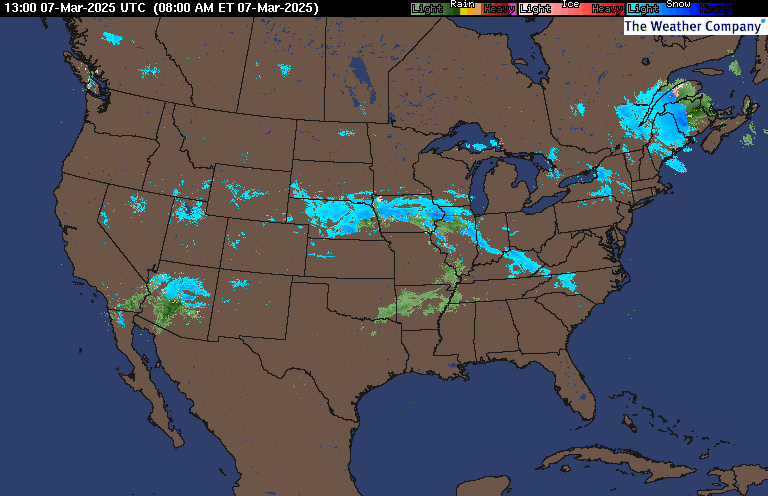
Before interactive web mapping became standard, Intellicast offered smooth zooming, panning, and layering. Users could toggle between base reflectivity, storm relative motion, and velocity data with minimal lag. This granularity made tracking fast-moving tornadoes or sprawling winter snowstorms both intuitive and deeply informative.
The Transition to The Weather Channel

As the internet evolved, so did media ownership structures. The Weather Company—which operates The Weather Channel—acquired WSC and, by extension, Intellicast. For several years, Intellicast continued to operate as a separate entity, maintaining its dedicated audience while sharing backend resources with its parent company.
Eventually, business consolidation took effect. Management decided to phase out the standalone Intellicast brand to consolidate web traffic and resources onto weather.com. When users typed in the familiar URL, they were automatically redirected to the main Weather Channel homepage. While weather.com inherited much of the underlying radar technology and meteorological horsepower, the transition stripped away the specialized, technical layout that long-time users loved.
How Doppler Radar Technology Works
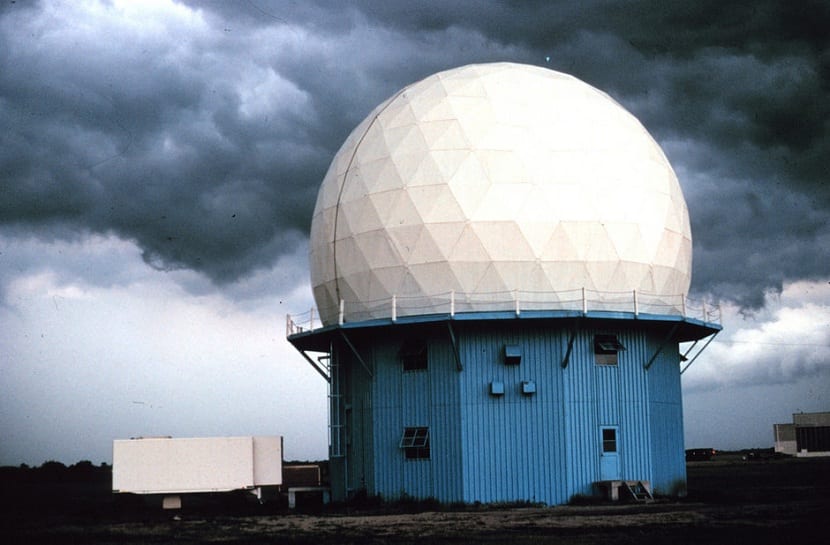
To understand why platforms like Intellicast were so revolutionary, it helps to understand the underlying technology. Traditional radar simply shows where precipitation is falling. Doppler radar, on the other hand, utilizes the Doppler effect—the change in frequency of a wave in relation to an observer who is moving relative to the wave source.
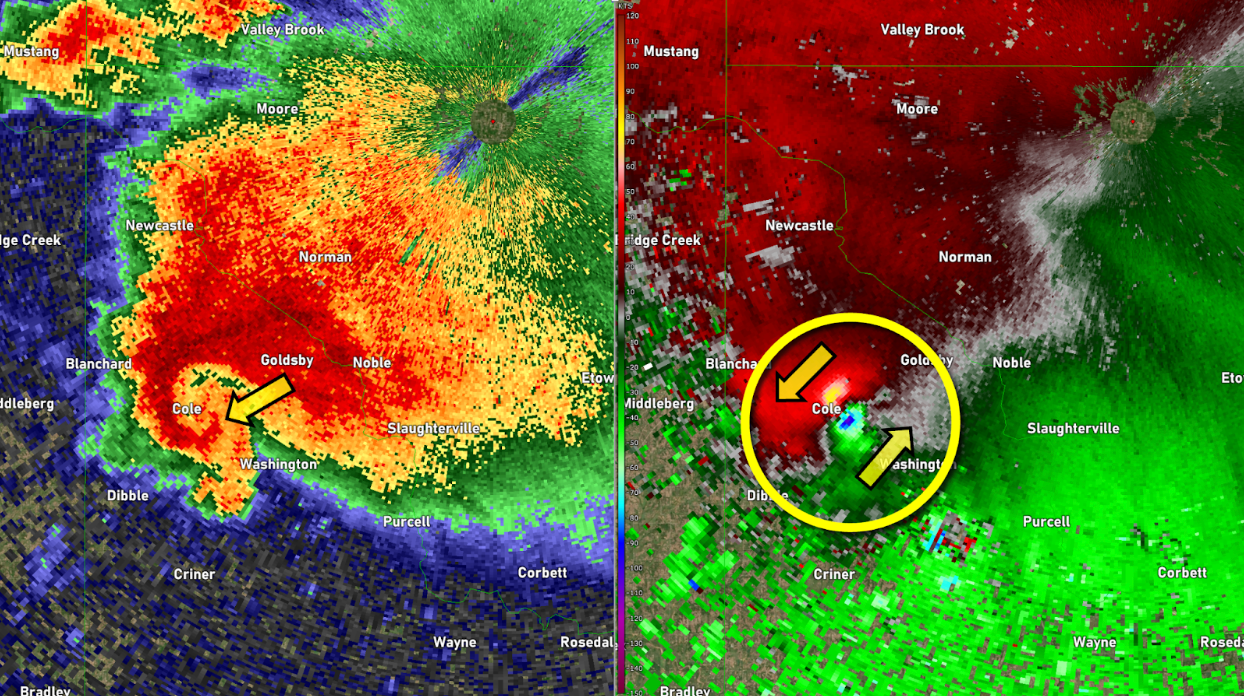
- Reflectivity: Measures the size and concentration of raindrops, snowflakes, or hail, telling you how heavy the precipitation is.
- Velocity: Measures the motion of particles toward or away from the radar site. This allows meteorologists to spot rotation within a thunderstorm, a critical indicator of potential tornadoes.
- Dual-Polarization: Modern upgrades send both horizontal and vertical pulses, helping radar systems distinguish between heavy rain, hail, and non-weather debris like birds or smoke.
Intellicast made these complex layers accessible to everyday users, transforming raw telemetry into color-coded visual masterpieces that anyone could interpret with a little practice.
Where to Find Similar Radar Tools Today
If you are still nostalgic for the depth and detail of the classic Intellicast experience, you do not have to settle for basic weather apps. Several modern platforms cater to users who want advanced, uncompromised radar data:
- RadarScope: Widely considered the spiritual successor for power users. It offers NEXRAD Level III data, velocity, dual-polarization products, and lightning detection with a professional-grade interface.
- NOAA/NWS Radar (radar.weather.gov): The direct source for official U.S. government radar data. The National Weather Service completely revamped its interactive radar viewer, offering a fast, modern, and ad-free mapping experience.
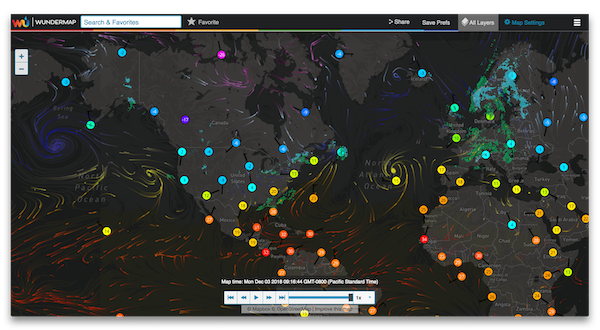
- Windy: An exceptional visualization tool for global weather, wind patterns, and high-resolution forecast models (like ECMWF and GFS) wrapped in a stunning interactive globe.
- MyRadar: A fast, app-based radar platform that provides high-definition animated weather tracking with smooth loops and various customizable overlay layers.
The Enduring Impact of Intellicast
While technology marches forward and brand names fade, the influence of platforms like Intellicast remains evident. They proved that the public hungered for accurate, scientifically rigorous weather data rather than oversimplified forecasts. Today's plethora of advanced weather apps and interactive web tools owes a massive debt of gratitude to the pioneers who first brought professional-grade Doppler radar mapping into living rooms across the world.