What Happened to Escobar’s Descendants? The Hidden Truth Exposed!
What Happened to Escobar’s Descendants? The Hidden Truth Exposed!

Decades after the dramatic rooftop shootout that ended the life of the world's most notorious drug lord, the world remains fascinated by the Medellín Cartel. But while documentaries and streaming series focus heavily on Pablo Escobar’s reign of terror, a compelling question lingers for many true crime followers: what happened to Escobar’s descendants?
Escobar left behind an empire worth billions, a legacy of violence, and a shattered family. Fleeing retribution from rival cartels and law enforcement, his immediate family had to reinvent themselves entirely. This is the hidden truth about how Escobar’s bloodline survived, changed their names, and carved out vastly different paths far away from the criminal underworld.
The Immediate Aftermath and Flight from Colombia
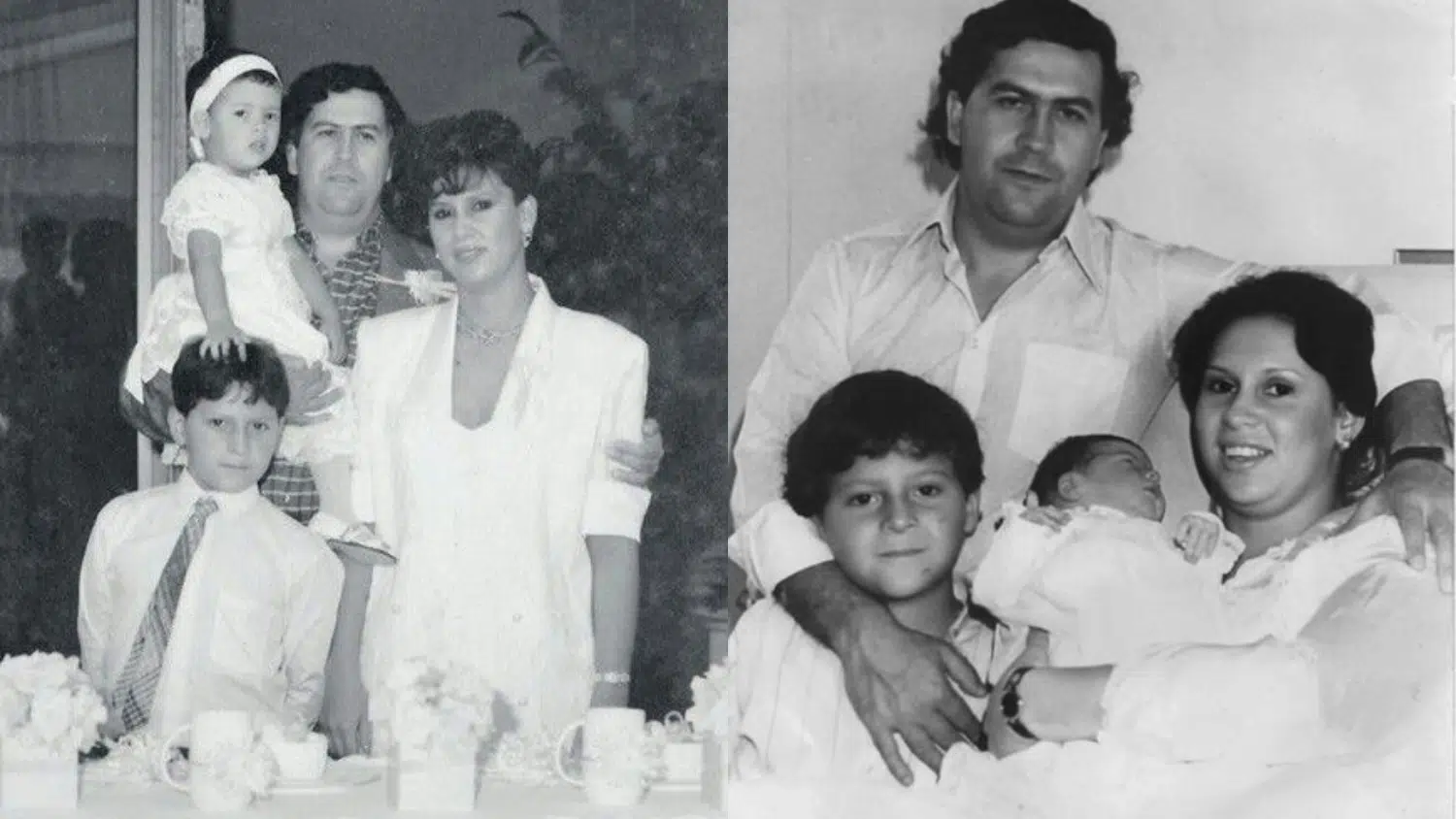
Following Escobar’s death in December 1993, his wife, Maria Victoria Henao, and their two children, Juan Pablo and Manuela, found themselves in immediate mortal danger. The Cali Cartel and a vigilante group known as Los Pepes targeted anyone carrying the Escobar name. Their multi-million-dollar assets were seized by the Colombian government, leaving them virtually penniless and desperate for refuge.
The family attempted to seek asylum in multiple countries, including Mozambique and Argentina. While most nations rejected them due to their toxic association, Argentina eventually granted them humanitarian visas in 1995. This marked the beginning of a profound transformation, forcing the family to shed their famous identity and adopt aliases to survive.
Juan Pablo Escobar Becomes Sebastián Marroquín
Pablo Escobar’s son, Juan Pablo, was only 16 years old when his father died. Initially fueled by grief and anger, he famously vowed to avenge his father on live television before realizing the destructive nature of the cartel life. To break free from this cycle, he legally changed his name to Sebastián Marroquín and moved to Buenos Aires.
Marroquín chose a path of peace and reconciliation, which set him apart from the typical narrative of cartel offspring:
Video: The Hidden Story of Pablo Escobar’s Wife and Children After His Death

- Architect and Author: Marroquín studied architecture and later wrote bestselling books, including Pablo Escobar: My Father, detailing the grim reality of growing up inside the cartel.
- Documentary Subject: He starred in the acclaimed 2009 documentary Sins of My Father, where he publicly met with the children of some of his father's most prominent political victims to ask for forgiveness.
- Advocate Against Violence: Today, Marroquín works as a public speaker, lecturing young people around the world about the dangers of drug trafficking and glorifying crime.
Manuela Escobar’s Life in Seclusion
In stark contrast to her brother, Pablo Escobar’s daughter, Manuela, chose a life of absolute anonymity and silence. During their time hiding in Colombia, her father reportedly burned millions in cash just to keep her warm. The psychological toll of her childhood was immense.
After moving to Argentina under the name Juana Manuela Marroquín Santos, she withdrew completely from public view. Aside from a brief scare in 1999 when her mother and brother were arrested on money laundering charges (though later cleared), Manuela has successfully avoided the spotlight. Neighbors and even some friends from her adult life reportedly had no idea she was the daughter of the world’s most famous narco-terrorist.
The Grandchildren: Breaking Generational Trauma
As time marches on, the next generation of Escobar’s descendants is forging ahead with a strict commitment to leaving the past behind. Sebastián Marroquín has a son of his own, and he has been vocal about raising him with different values.
Marroquín has ensured that his son knows about his grandfather's atrocities, not as a romanticized legend, but as a cautionary tale. By confronting the generational trauma head-on, the family aims to ensure that future descendants do not inherit the guilt, fear, or criminal ambitions associated with the Escobar name.
Conclusion
The hidden truth about Escobar’s descendants is not one of hidden wealth and secret cartels, but rather a grueling journey toward redemption, anonymity, and survival. While pop culture continues to glamorize the era of the Medellín Cartel, Sebastián Marroquín and his relatives stand as living proof that the true victory over a legacy of violence is choosing an entirely different path.