What Happened to Openload Mov and File Sharing?
The Rise and Fall of Openload Mov
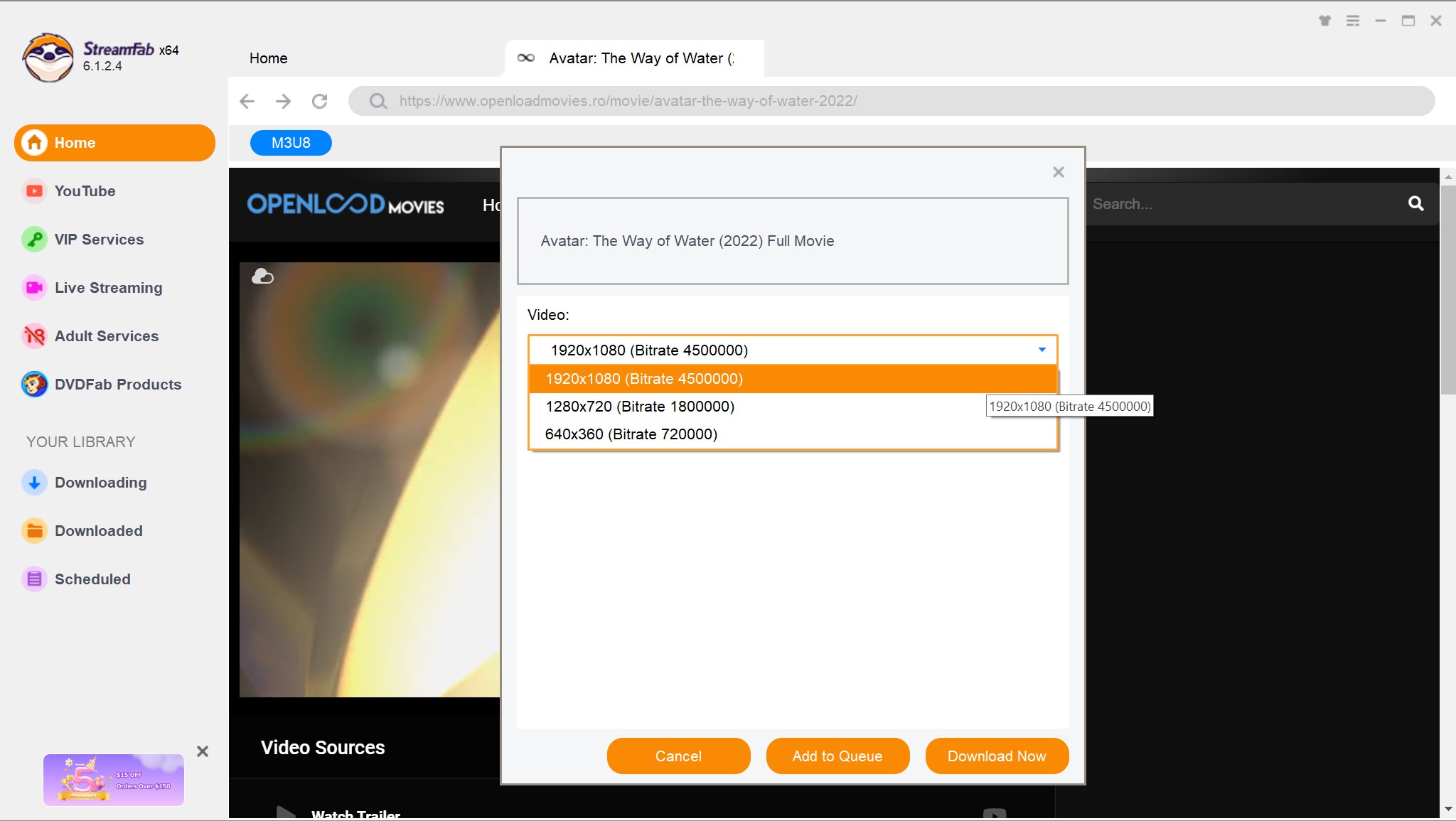
For years, the internet was flooded with links pointing to streaming and file-hosting platforms that allowed users to upload and share video content instantly. Among these, platforms associated with terms like openload mov became household names for anyone looking to watch movies, television shows, or user-generated clips online without paying for traditional subscriptions. However, the landscape of digital media sharing has changed drastically, leaving many users wondering about the fate of these once-dominant services.
Understanding what happened to these platforms requires looking at the intersection of copyright law, international anti-piracy coalitions, and the changing economics of cloud storage. This article explores the history of Openload, the legal pressures that forced its closure, and how the digital video ecosystem has adapted since its demise.
What Was Openload and Why Was It Popular?
Launched in 2015, Openload quickly grew to become one of the largest file-hosting and video-streaming networks on the web. Unlike traditional cloud storage providers that focused on backup solutions for businesses or individuals, Openload specialized in heavy bandwidth video delivery. It offered features that appealed heavily to webmasters and uploaders:
- Generous Storage Limits: Users could upload large media files, including high-definition movies and clips in formats like .mov and .mp4, without immediate deletion.
- Affordable Affiliate Programs: The platform rewarded uploaders based on how many times their hosted files were downloaded or streamed, creating a powerful incentive to spread links across forums, social media, and streaming aggregator websites.
- Easy Embedding: Web developers could easily embed Openload video players directly onto third-party websites, allowing visitors to stream video content directly in their browsers without navigating away.
Because of these features, the term openload mov became synonymous with quick, accessible video playback. Millions of people used these embedded players daily to catch up on entertainment media.
The Legal Crackdown and Coalition Actions
Despite its massive popularity, Openload operated in a legal gray area that eventually attracted intense scrutiny from copyright holders and anti-piracy organizations. Because the platform rewarded uploaders based on traffic, critics argued that it actively profited from the distribution of unauthorized copyrighted material.
Major entertainment conglomerates, represented globally by groups such as the Alliance for Creativity and Entertainment (ACE) and the Motion Picture Association (MPA), launched coordinated legal attacks against Openload and its sister sites. Anti-piracy coalitions argued that Openload was not merely a passive hosting provider under Digital Millennium Copyright Act (DMCA) safe harbor provisions, but an active participant in global copyright infringement.
Legal pressure mounted across multiple jurisdictions, particularly in Europe and the United States. Rights holders filed lawsuits demanding identification of operators, substantial financial damages, and immediate injunctions against the network's infrastructure.
The Permanent Shutdown of Openload
The pressure culminated in late 2019 when a coalition of international media giants secured a major legal victory against the platform. Faced with mounting multi-million dollar liabilities and potential criminal investigations, the operators of Openload agreed to a permanent settlement with ACE.
Video: Cara Download Film Di Jalan Film (Openload)

As part of the settlement agreement, the network officially ceased all operations, wiping out terabytes of hosted data—including both authorized and unauthorized files. The sudden disappearance of the service sent shockwaves through the web-publishing community, breaking thousands of embedded video players across hundreds of streaming aggregator sites overnight.
The shutdown served as a watershed moment in the enforcement of international copyright law, signaling that large-scale streaming hosts operating without strict content moderation would face swift legal termination.
Where the Industry Stands Today
The closure of Openload and similar services fundamentally altered how media is shared and consumed online. Webmasters who relied on decentralized, anonymous file hosts had to pivot their strategies, while consumers shifted toward alternative platforms.
The Shift to Subscription and Legal Streaming
The vacuum left by unauthorized video hosts accelerated the growth of official subscription video-on-demand (SVOD) and ad-supported video-on-demand (AVOD) services. Companies like Netflix, Amazon Prime, Disney+, and free ad-supported streaming television (FAST) channels proved that consumers were willing to pay for or watch ads in exchange for reliable, high-quality, and legal access to content.
Modern Cloud Storage and Security
Legitimate cloud storage providers like Google Drive, Dropbox, and Microsoft OneDrive continue to serve millions of users. However, these platforms maintain strict automated content recognition (ACR) systems and digital fingerprinting technologies. If a user uploads copyrighted video files—whether in .mov, .mp4, or any other format—to a mainstream cloud provider and attempts to share them publicly, automated systems quickly flag and restrict the links.
Safety Risks of Using Rogue Streaming Sites
Even years after the shutdown of major players like Openload, copycat domains and smaller, unregulated video hosts frequently emerge, often using familiar branding to lure unsuspecting visitors. Engaging with these sites carries significant risks:
- Malware and Adware Infections: Unregulated video streaming sites rely heavily on aggressive pop-up advertisements that often redirect users to malicious download links or phishing pages.
- Data Privacy Concerns: These platforms rarely adhere to standard data protection regulations, potentially exposing user IP addresses and browsing habits to tracking networks.
- Lack of Reliability: Because these sites operate outside the law, domain names change frequently, and video links break without warning.
Conclusion
The era of openload mov represents a specific chapter in the history of internet file sharing—a time when decentralized video hosts could scale rapidly before catching up with international copyright enforcement. Today, the digital landscape is heavily regulated, with strict oversight protecting intellectual property rights. For consumers seeking reliable video playback, sticking to verified, legal streaming platforms remains the safest and most stable option available.