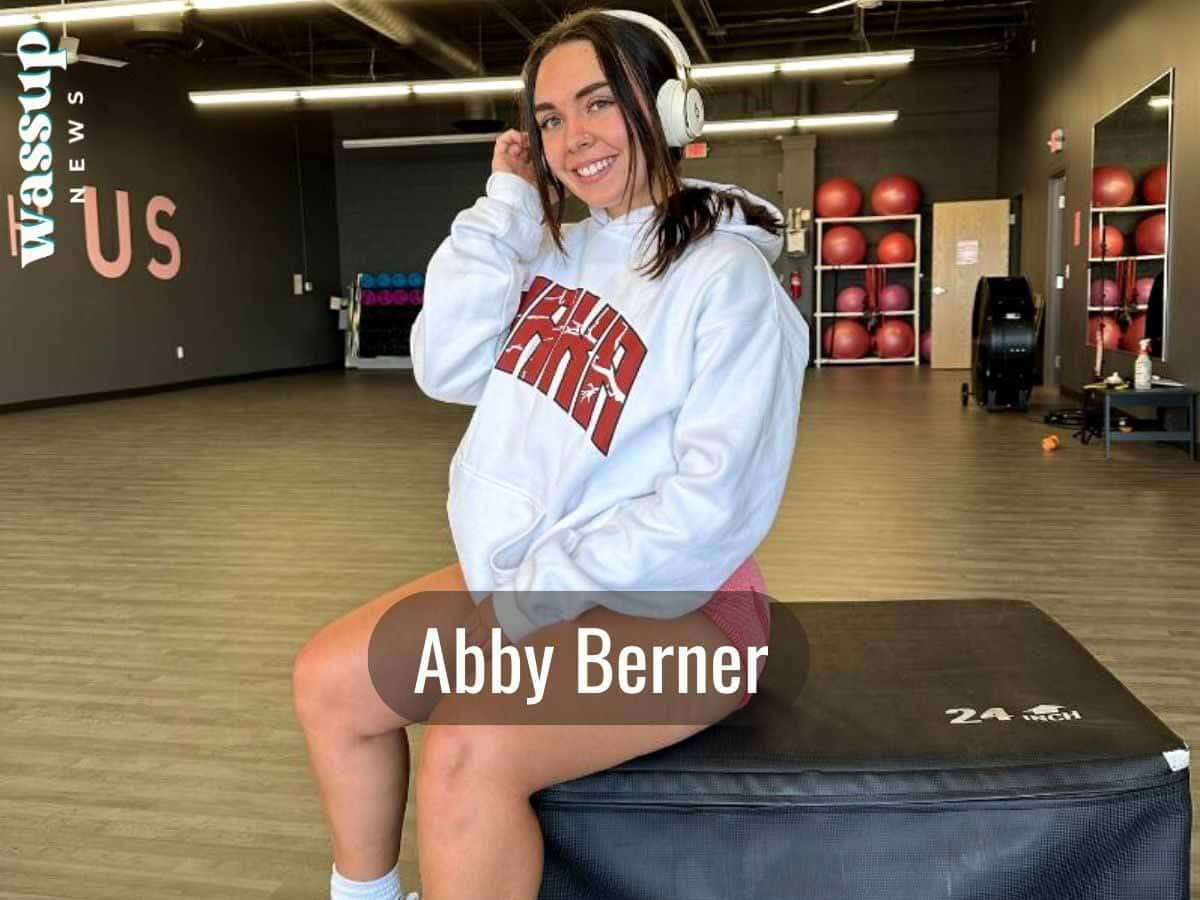
What Happens When Abby Berner’s Leak Goes Viral Today
In the hyper-connected landscape of modern social media, digital privacy is fragile. Content creators build massive audiences through authenticity, engagement, and consistent posting across platforms like TikTok, Instagram, and YouTube. However, this high level of visibility often makes them targets for malicious behavior, data breaches, and non-consensual media distribution. When a situation arises where Abby Berner’s leak goes viral today, it triggers a complex chain reaction across the internet that highlights broader issues regarding digital safety, platform moderation, and audience ethics.

The Anatomy of a Viral Leak on Social Media
When private media, hacked files, or unauthorized content related to a public figure surfaces online, it spreads with alarming speed. Understanding the mechanics behind these digital incidents reveals how algorithms and internet culture amplify privacy violations.
Algorithm Amplification and Curiosity-Driven Search
Social media algorithms are designed to prioritize trending topics, high-engagement keywords, and viral discussions. When thousands of users simultaneously search for terms related to a creator, search engines and platform algorithms pick up on the surge. This inadvertently promotes the topic, pushing speculative threads, reaction videos, and links to the forefront of user feeds. Curiosity drives massive traffic, turning a private violation into a public spectacle within hours.
The Role of Speculation and Misinformation
In the immediate aftermath of a leak, verified facts are often scarce. Online forums, comment sections, and gossip channels quickly fill with rumors, deepfakes, and fabricated stories. Users often share unverified content simply to gain clout, followers, or engagement on their own profiles. This rapid spread of misinformation makes it difficult for the affected creator to control the narrative or manage the psychological fallout.
Platform Policies and Content Moderation Challenges
Major technology platforms have strict guidelines against sharing non-consensual intimate imagery (NCII) and hacked material. Despite these rules, stopping a viral wave presents significant moderation challenges.
- Automated Detection Lags: AI-driven filters catch many prohibited images, but bad actors frequently alter file names, use screenshots, or obscure watermarks to bypass automated moderation.
- User Reporting Delays: Platforms often rely heavily on user reports to flag harmful content. During the initial hours of a viral surge, harmful links may multiply faster than moderation teams can review and remove them.
- Cross-Platform Migration: When content is swiftly banned on mainstream networks like TikTok or Instagram, users often migrate the conversation to encrypted messaging apps, alternative forums, or niche websites where moderation is lax or nonexistent.
The Psychological and Professional Impact on Creators

Beyond the technical and algorithmic aspects, incidents involving leaked personal media take a severe toll on the individuals involved. For content creators whose livelihoods depend on brand partnerships and public perception, the impact can be devastating.
Invasion of Privacy and Emotional Distress
Having private moments exposed to millions of strangers is a profound violation of personal boundaries. Creators often experience acute anxiety, stress, and feelings of helplessness. The constant barrage of comments, direct messages, and unwanted attention from strangers can force creators to temporarily disconnect from social media entirely to protect their mental health.
Navigating Brand Partnerships and Professional Reputation
While most modern audiences and supportive brands recognize that creators are victims in these scenarios, the stigma associated with viral controversies can sometimes complicate professional relationships. Creators may find themselves spending valuable time and resources managing public relations, issuing statements, or working with legal counsel to issue takedown notices.
How Audiences and Platforms Can Respond Responsibly
Combating the culture of leaks requires a collective shift in how internet users and technology companies handle unauthorized content. Responsible digital citizenship can significantly reduce the harm caused by these incidents.
- Refuse to Share or Engage: The simplest way to stop a leak from spreading is to ignore it. Refusing to click, view, share, or comment on unauthorized media starves the exploiters of the attention and traffic they seek.
- Report Harmful Links: Instead of engaging with accounts distributing stolen content, users should utilize built-in reporting tools to flag violations directly to platform moderators.
- Strengthen Platform Protections: Tech companies must continue investing in advanced detection tools, swift appeal processes, and immediate account penalties for users who distribute non-consensual media.
Conclusion
Incidents where content like Abby Berner’s leak goes viral today serve as a stark reminder of the dark side of internet culture. They expose the vulnerabilities inherent in digital storage, the speed of algorithmic amplification, and the pressing need for stronger online privacy protections. By fostering a more ethical digital environment, respecting boundaries, and holding bad actors accountable, the internet can become a safer space for creators and everyday users alike.