What is 43 Weed Killer? Uses, Safety, and Guide
Understanding 43 Weed Killer

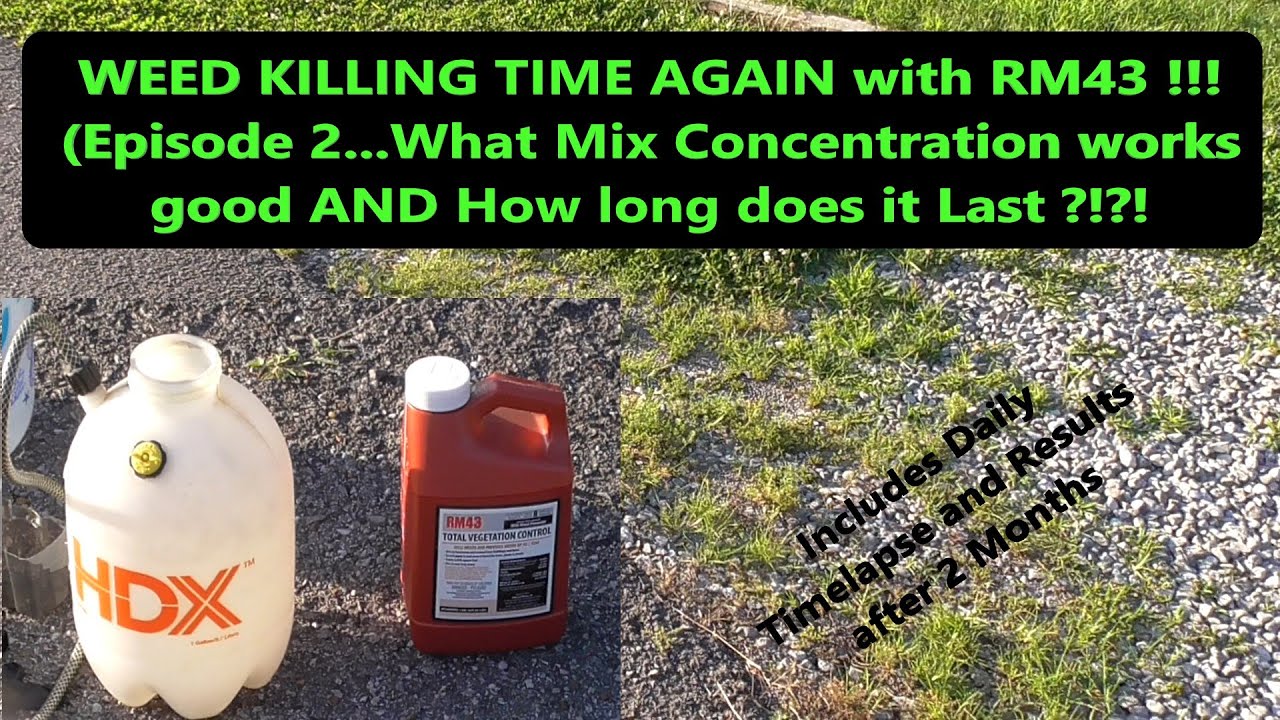
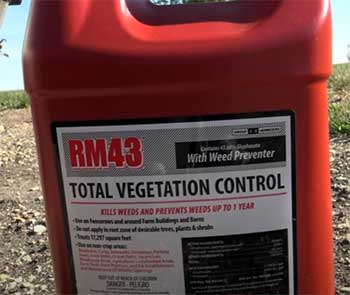
When dealing with persistent weeds that choke out lawns, invade driveways, and ruin landscaping, homeowners often turn to heavy-duty herbicides. Among these, products containing a high concentration of active ingredients—frequently referred to in professional and agricultural contexts like 43 weed killer—offer a potent solution. These formulations are designed to tackle deep-rooted perennial weeds, tough brush, and unwanted vegetation that standard, ready-to-use garden sprays simply cannot eliminate.
Understanding what makes these herbicides effective requires looking beneath the surface. High-strength weed killers typically rely on systemic action, meaning the chemical is absorbed through the foliage and travels down to the root system. This ensures the entire plant dies, preventing stubborn species from simply regrowing a few weeks later. However, with greater power comes a greater need for careful handling, accurate mixing, and strict adherence to safety guidelines.
How 43 Weed Killer Works
To use any strong herbicide successfully, you must understand its mechanism of action. Most high-potency vegetation killers operate as non-selective herbicides, meaning they will damage or kill almost any green plant they touch. They are not designed for selective lawn weed control where you spray a dandelion in the middle of Kentucky bluegrass; rather, they are meant for total vegetation management.
The Active Ingredient Factor
The number in the designation often points to the concentration of the active ingredient—most commonly glyphosate or a specialized triclopyr blend—packaged as a concentrate. A concentrated formula requires dilution with water before application in a pump sprayer or backpack sprayer. Once sprayed onto the leaves of the target weed:
- The plant absorbs the liquid through its stomata (pores).
- The chemical moves internally through the phloem to the roots and growing tips.
- It disrupts vital plant enzymes (such as the EPSP synthase pathway in glyphosate formulas), halting protein production.
- The weed slowly yellows, wilts, and dies completely over the course of 7 to 14 days, including the root structure.
Best Uses and Applications
Because these concentrated formulas are non-selective, knowing where and when to apply them is critical to protecting your desirable landscape plants. They are best utilized in specific scenarios rather than general lawn maintenance.
Ideal Locations for Treatment
- Driveways and Walkways: Eliminating grass and weeds sprouting through concrete cracks and gravel paths.
- Fence Lines: Keeping perimeters clean and free of brush without having to constantly weed-whack.
- Garden Beds (Pre-Planting): Clearing out an overgrown plot entirely before planting new flowers or vegetables.
- Large Acreage: Managing pastures, fence rows, or agricultural margins where manual weeding is impossible.
Optimal Weather Conditions
Video: How to Apply RM43-Ragan and Massey

Timing your application makes a massive difference in how well the herbicide works. For the best results with 43 weed killer, choose a day with the following conditions:
- Dry Weather: Ensure no rain is forecasted for at least 6 to 12 hours after spraying to prevent the chemical from washing off the leaves.
- Active Growth: Weeds absorb systemic herbicides best when they are actively growing, typically in mid-spring to early fall. Avoid spraying dormant weeds during a drought.
- Low Wind: Calm days prevent spray drift from carrying droplets onto your prized tomatoes, shrubs, or lawn grass.
Safety Guidelines and Precautions
Working with concentrated chemical herbicides demands respect and caution. Safety should always be your top priority when mixing and applying high-strength garden products.
Personal Protective Equipment (PPE)
Before cracking open the container, make sure you are properly dressed. Minimizing skin contact and inhalation is essential:
- Wear long-sleeved shirts, long pants, and closed-toe shoes or chemical-resistant boots.
- Put on nitrile or chemical-resistant gloves when measuring and mixing the concentrate.
- Use safety glasses or goggles to prevent accidental splashes in the eyes.
- Wear a mask or respirator if you are spraying in confined spaces or prone to wind drift.
Environmental Protection
Chemical runoff can harm surrounding ecosystems. Never apply these products near open bodies of water, storm drains, or drainage ditches. Protect local pollinators by avoiding spraying blooming weeds that bees and butterflies actively visit.
Alternatives to High-Strength Herbicides
If you prefer not to use powerful chemical concentrates around your home, several alternatives can help keep weeds under control:
- Manual Removal: Hand-pulling or using a weeding tool works well for small garden beds, especially after a fresh rain when roots slide out easily.
- Thermal Weeding: Propane-powered weed torches apply intense heat to rupture plant cell walls, killing weeds on patios and gravel paths instantly.
- Organic Sprays: Horticultural vinegars (acetic acid) and essential oil-based herbicides can burn down the foliage of young, tender weeds, though they rarely kill deep roots permanently.
Conclusion
Utilizing a concentrated product like 43 weed killer offers an efficient, long-lasting way to reclaim your property from stubborn vegetation. By understanding how the formula works, applying it on calm, dry days, and strictly following safety protocols, you can achieve a neat, weed-free landscape without unnecessary hassle or environmental risk.