What Is a 1040 Tax Form and Who Needs to File?
Tackling tax season often begins with a single, essential document: IRS Form 1040. Whether you are filing your taxes for the first time or looking for clarity on shifting IRS thresholds, understanding what is a 1040 tax form and who needs to file can save you time, stress, and costly penalties. Form 1040 serves as the cornerstone of the American individual tax system, reconciling your earnings, deductions, and tax credits each year.

What Is Form 1040?
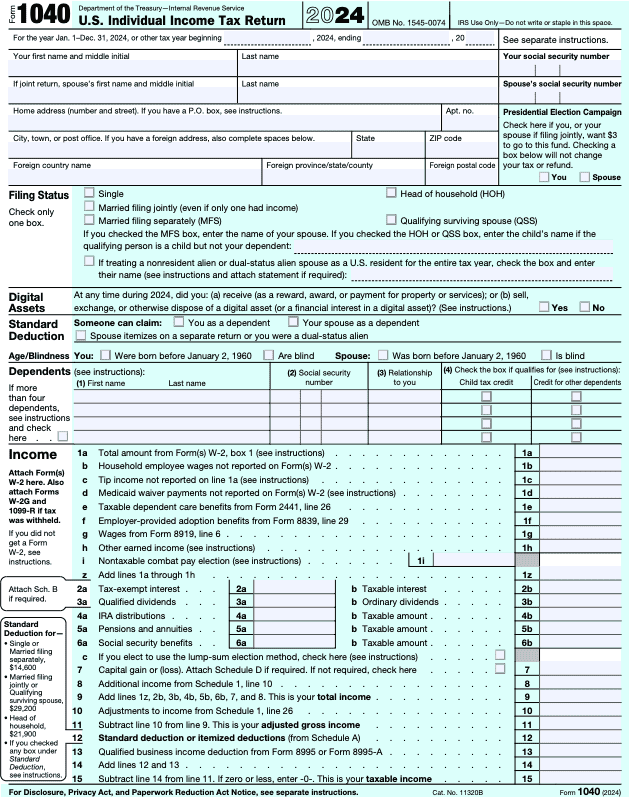
Form 1040, officially titled the "U.S. Individual Income Tax Return," is the standard federal tax document that individual taxpayers use to report their gross income to the Internal Revenue Service (IRS). Through this form, you calculate your adjusted gross income (AGI), apply deductions, claim tax credits, and determine whether you owe additional tax or qualify for a refund.
In the past, the IRS offered simplified alternatives, such as Form 1040-EZ for single filers with simple returns and Form 1040A for intermediate filers. However, the Tax Cuts and Jobs Act of 2017 consolidated these variations. Today, nearly every individual tax filer uses the standard Form 1040 or its dedicated senior variation, Form 1040-SR.
What Is a 1040 Tax Form and Who Needs to File?
While Form 1040 is the universal filing document, not everyone residing in the United States is legally required to submit one. Your legal obligation to file depends primarily on three factors: your gross income, your filing status, and your age.
As a baseline, you must file a tax return if your gross income meets or exceeds the standard deduction for your filing category. For the 2024 tax year (taxes filed in early 2025), the general filing thresholds are as follows:
- Single: $14,600 (under 65) | $16,550 (65 and older)
- Married Filing Jointly: $29,200 (both spouses under 65) | $30,750 (one spouse 65+) | $32,300 (both spouses 65+)
- Head of Household: $21,900 (under 65) | $23,850 (65 and older)
- Married Filing Separately: $5 (regardless of age)
- Qualifying Surviving Spouse: $29,200 (under 65) | $30,750 (65 and older)
If your gross income from all global sources meets or surpasses the threshold for your category, you are legally required to file Form 1040.
Special Situations That Require Filing
Even if your total income falls below the standard deduction thresholds, specific financial events trigger a mandatory Form 1040 submission. You must file if any of the following apply to you:
- Self-Employment Income: You earned net earnings of $400 or more from freelancing, gig work, independent contracting, or running a business.
- Health Insurance Subsidies: You or a family member received advance payments of the Premium Tax Credit (APTC) for health coverage purchased through the Health Insurance Marketplace (Form 1095-A).
- Special Taxes Owed: You owe alternative minimum tax (AMT), household employment taxes, or additional taxes on qualified retirement plans (such as early withdrawal penalties on an IRA or 401(k)).
- HSA or MSA Distributions: You took distributions from a Health Savings Account or Medical Savings Account.
- Tips and Unreported Wages: You earned unreported tips or wages from an employer who did not withhold Social Security or Medicare taxes.
Why You Should File Form 1040 Even If You Don't Have To
If your income is below the mandatory filing limit, submitting Form 1040 is voluntary. However, walking away without filing often means leaving your own money on the table. Consider filing voluntarily for two primary reasons:
1. Claiming Withheld Federal Taxes
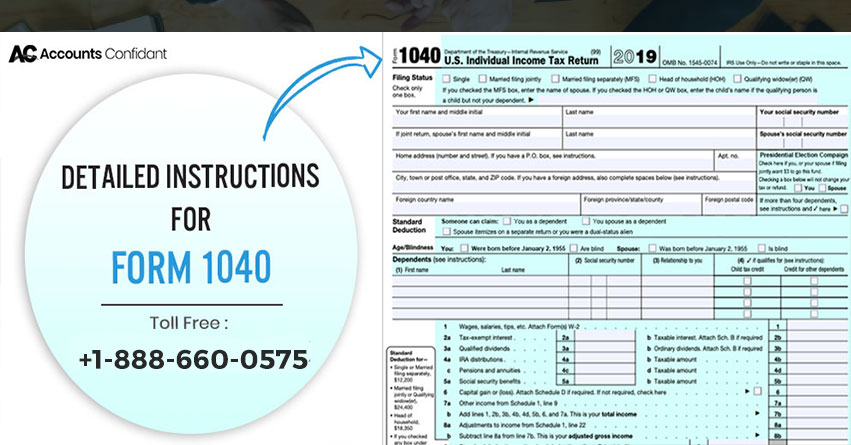
Video: 2025 Form 1040 Tutorial: Complete Your Tax Return From Start to Finish
If you worked a W-2 job and your employer deducted federal income tax from your paychecks, the IRS keeps that money unless you file a return. Submitting Form 1040 is the only legal way to request a full refund of taxes withheld in excess.
2. Accessing Refundable Tax Credits
Refundable credits pay out cash even if you owe zero dollars in income tax. Valuable refundable credits include:
- Earned Income Tax Credit (EITC): Designed for low-to-moderate-income workers, potentially delivering thousands of dollars in refunds.
- Child Tax Credit (CTC) / Additional Child Tax Credit: Provides financial relief for eligible dependents under age 17.
- American Opportunity Tax Credit (AOTC): Assists with qualified higher education expenses during the first four years of post-secondary education.
The Structure of Form 1040: Schedules and Attachments
Form 1040 itself is a concise two-page document. It collects basic demographic details, lists dependents, summarizes income streams, applies deductions, and calculates your net balance or refund. When your financial life involves items beyond standard W-2 wages and simple interest, you must attach supplemental schedules.
Numbered Schedules
- Schedule 1 (Additional Income and Adjustments to Income): Used to report freelance revenue, unemployment benefits, gambling gains, student loan interest deductions, and educator expenses.
- Schedule 2 (Additional Taxes): Used if you owe self-employment tax, alternative minimum tax, or excess advance premium tax credit repayments.
- Schedule 3 (Additional Credits and Payments): Reports non-refundable and refundable credits not directly handled on the main form, such as foreign tax credits or education credits.
Lettered Schedules
- Schedule A: For itemized deductions (e.g., mortgage interest, large medical expenses, state and local taxes).
- Schedule B: For interest and ordinary dividends exceeding $1,500.
- Schedule C: To report profit or loss from sole proprietorships and single-member LLCs.
- Schedule D: For capital gains and losses from investments.
- Schedule SE: For calculating self-employment tax.
Variants of Form 1040
Depending on your life stage and residency status, you may encounter specific variations of the standard form:
- Form 1040-SR: Available to taxpayers aged 65 and older. It features identical tax calculations to the standard 1040 but utilizes larger print and includes a dedicated chart for senior standard deductions.
- Form 1040-NR: Used by non-resident aliens who engaged in trade or business within the United States or earned income from U.S. sources.
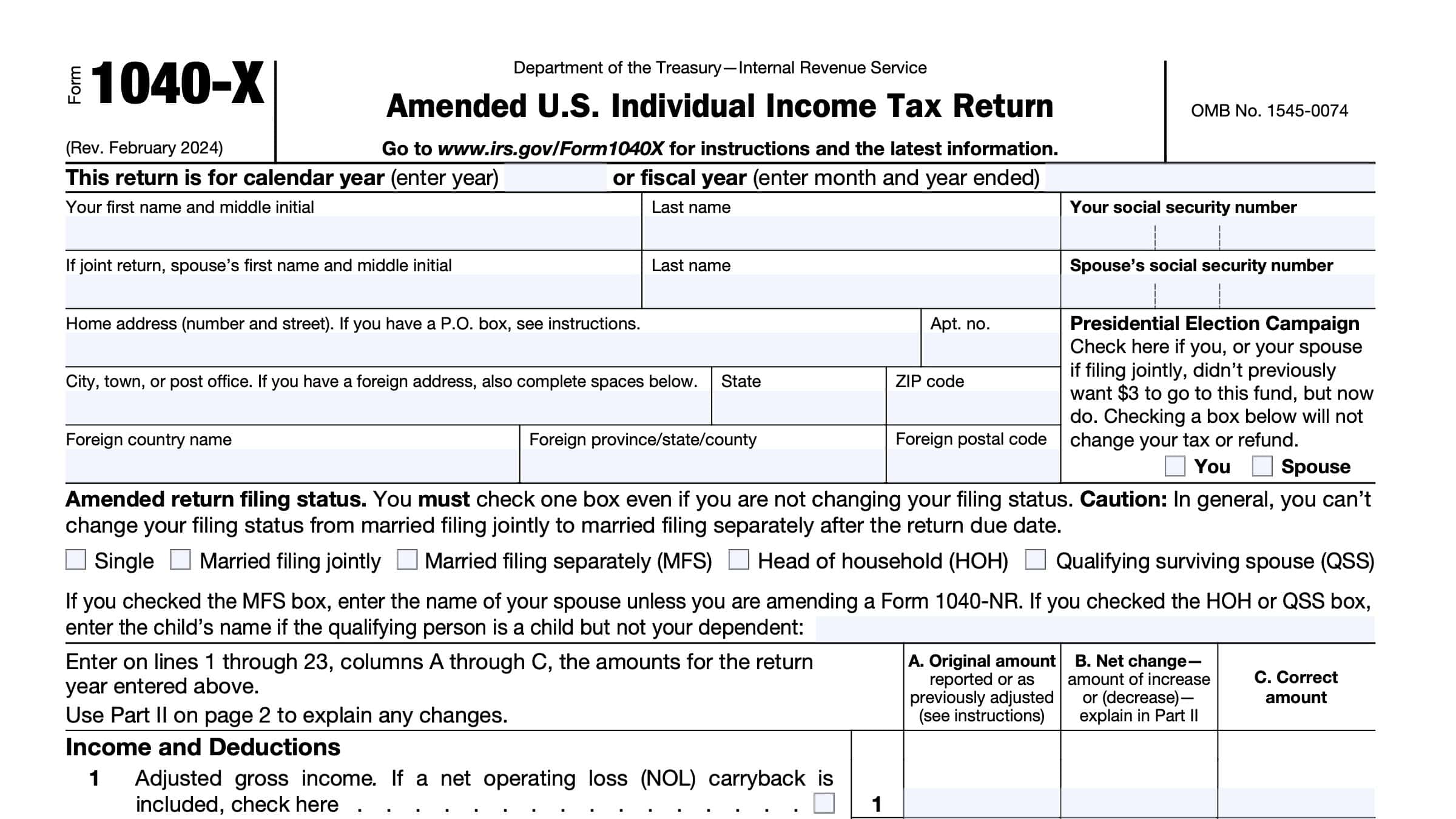
- Form 1040-X: Used to amend a previously submitted Form 1040 if you discover an error, missed a deduction, or received a delayed tax statement.
Key Deadlines and How to File
For most taxpayers, Form 1040 must be submitted by April 15 following the close of the tax year (or the next business day if April 15 falls on a weekend or federal holiday). If you need more time, filing Form 4868 grants an automatic six-month extension until October 15. Keep in mind that an extension to file is not an extension to pay; any estimated taxes owed remain due in April.
You can submit your return in one of two ways:
- Electronic Filing (E-file): Recommended by the IRS. Filing electronically through certified tax software or IRS Free File ensures faster processing, immediate confirmation of receipt, and rapid refund delivery (often within 21 days via direct deposit).
- Paper Return: You can mail a paper copy of Form 1040 to your designated regional IRS processing center. Paper returns take significantly longer to process—often six to twelve weeks.
Mastering Form 1040 comes down to knowing your numbers: review your annual income, determine your filing status, and track any applicable deductions. When handled systematically, filing your 1040 ensures compliance with tax laws while securing every refund dollar you have earned.




.webp)