What is a Gimkit Bot Raid? Risks & Prevention
Understanding the Gimkit Bot Raid
Classroom response systems and gamified learning platforms have revolutionized education, but they also attract student exploits. One of the most common disruptions teachers face today is a gimkit bot raid. This phenomenon occurs when a user—often a student trying to be funny or disrupt a lesson—uses automated scripts or third-party extensions to flood a live Gimkit game with dozens or even hundreds of fake, automated players.
Instead of manual typing, these scripts instantly generate randomized names, join the active session using the game code, and sometimes even answer questions automatically. For educators trying to run a smooth review session, watching the participant counter shoot from 25 to 300 in seconds can be frustrating and chaotic.
How Gimkit Bot Raids Work
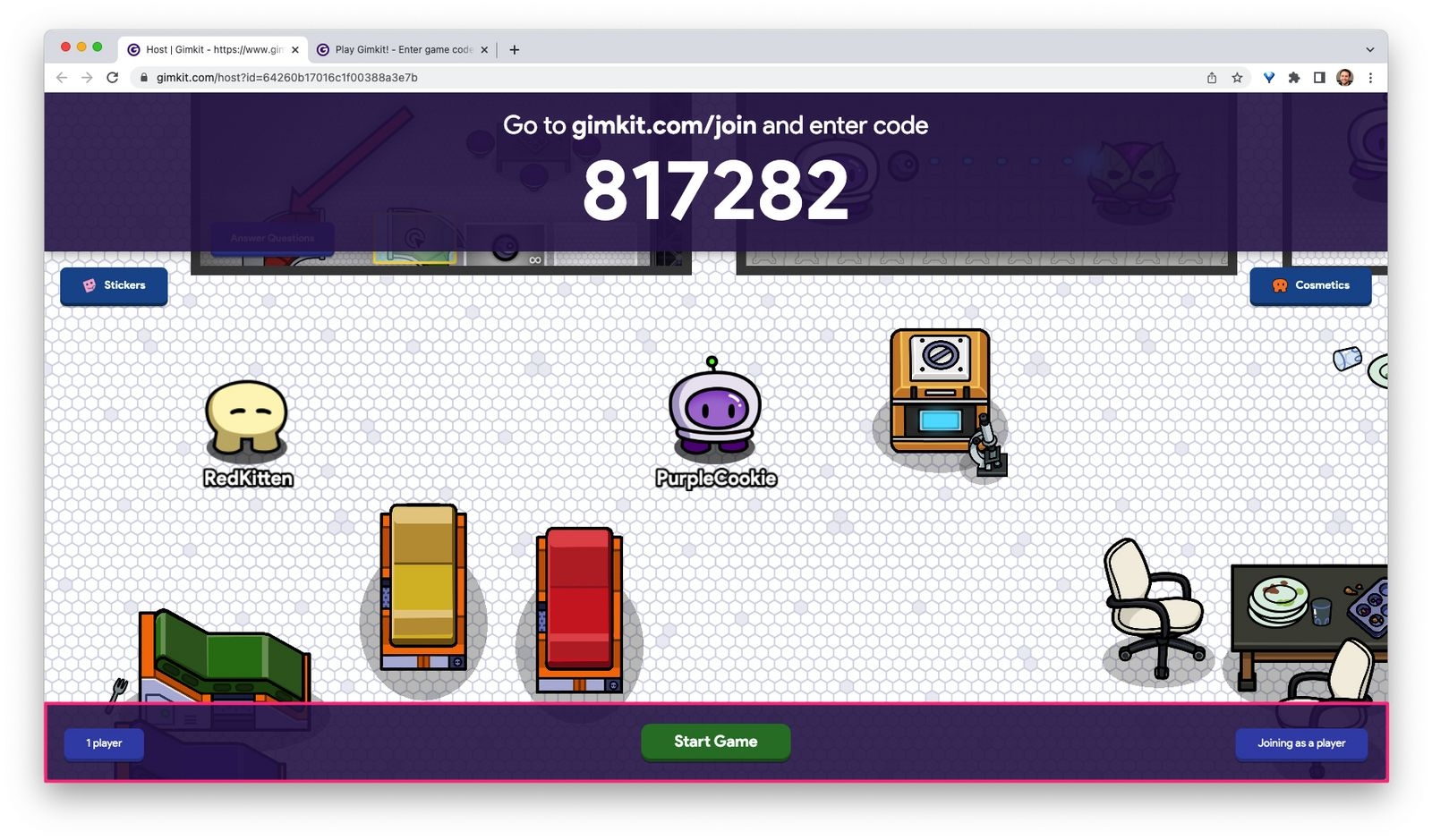
Gimkit relies on a simple, accessible design to maximize engagement. To join a game, players only need a web browser, the URL, and a unique 5-digit game code. Bad actors exploit this open architecture using readily available tools.
The Mechanics Behind the Scripts
Most bot raiders do not possess advanced programming skills. Instead, they rely on scripts hosted on public code-sharing platforms or shared through social media apps like TikTok and Discord. These scripts are typically written in JavaScript and executed directly through the browser's developer console.
- Automated Login: The script loops through the join process, sending requests to the Gimkit server faster than a human ever could.
- Name Generation: Bots are usually assigned gibberish strings, offensive words, or variations of the teacher's or classmates' names to cause confusion.
- Automated Farming: Advanced scripts can even interface with Gimkit's mechanics to answer questions correctly, quickly accumulating in-game cash and ruining the competitive balance.
The Impact on Learning Environments
While students launching a bot raid often view it as a harmless prank, the real-world impact on the classroom is significant. Teachers lose valuable instructional time trying to regain control of the platform, and students who genuinely want to review for an upcoming test are sidelined.
Furthermore, these raids can occasionally crash the game session entirely due to server overload or render the leaderboard completely meaningless. If the bots dominate the game, the gamification incentive collapses, destroying the motivation of students who played by the rules.
How Teachers Can Prevent and Handle Bot Raids
Fortunately, Gimkit and platform developers are well aware of these exploits and provide built-in features to help educators maintain control. If you experience a bot raid in your classroom, several effective countermeasures can protect your game.

1. Enable Account Requirements
The easiest way to stop anonymous bot scripts is to require students to sign into their Gimkit accounts to join a live game. While bots can theoretically be coded with account credentials, it makes the barrier to entry much higher and allows you to trace disruptive behavior directly back to school accounts.
2. Lock the Game Once Students Join
Once your actual students are in the room, look for the option to lock the game session. Locking the room prevents any new entries, effectively shutting the door on late-joining bots.
3. Use the Kick Feature
If bots manage to slip through before you can lock the session, use the host dashboard to remove disruptive players. You can click on individual user profiles in the lobby and kick them out of the game before it starts.
4. Hide the Game Code
Many bot raids happen because someone posts the game code on a public forum or social media. Avoid putting the join code on a large screen visible from hallways, or wait until everyone is physically present in the room to reveal it. Alternatively, share the code verbally or project it only when your students are seated.
The Future of Classroom Security
As educational technology evolves, so do the methods used to exploit it. Platform developers constantly update their security protocols, implementing CAPTCHAs, rate-limiting, and behavior-monitoring algorithms to detect and block automated traffic before it hits a live game lobby.
By understanding how a gimkit bot raid operates, educators can stay one step ahead of disruptive behavior. Implementing simple safeguards like locking lobbies, requiring logins, and keeping game codes private ensures that gamified learning remains a fun, productive, and safe experience for everyone in the classroom.