What Is an Omnivore in the Ocean? Marine Diets Explained
Introduction to Marine Omnivores
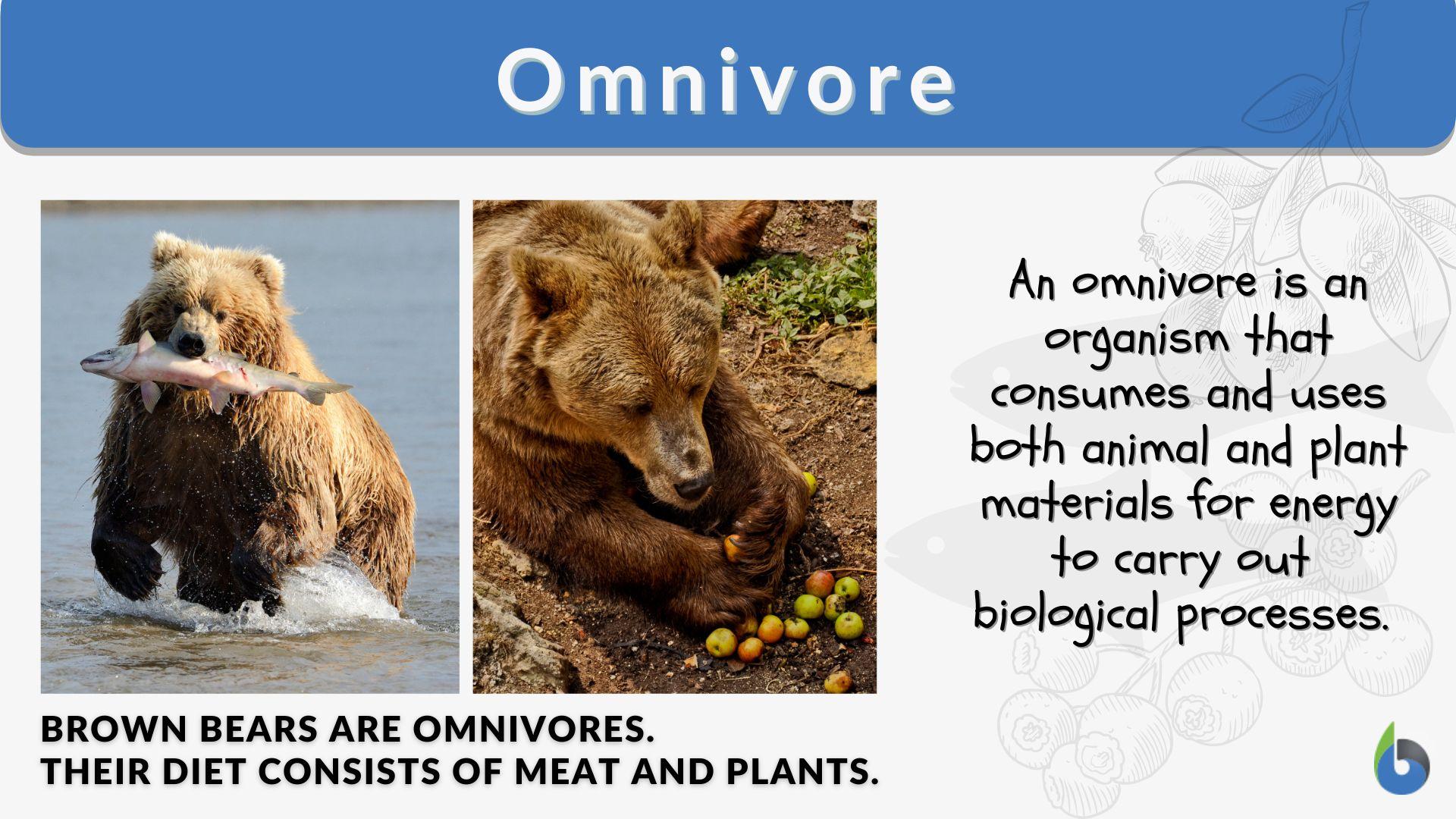
When studying marine biology, understanding the different dietary classifications of sea life is essential. If you have ever wondered what is an omnivore in the ocean, the answer is remarkably diverse. An ocean omnivore is an animal that naturally consumes both plant matter—such as algae, seagrass, and phytoplankton—and animal matter, which can range from tiny zooplankton and small fish to carrion and crustaceans.
Unlike strict carnivores that rely exclusively on hunting other animals, or herbivores that feed strictly on flora, omnivores possess a distinct survival advantage. By maintaining a flexible diet, they can adapt to seasonal shifts, food shortages, and changing marine habitats.
How Ocean Omnivores Fit Into the Food Web
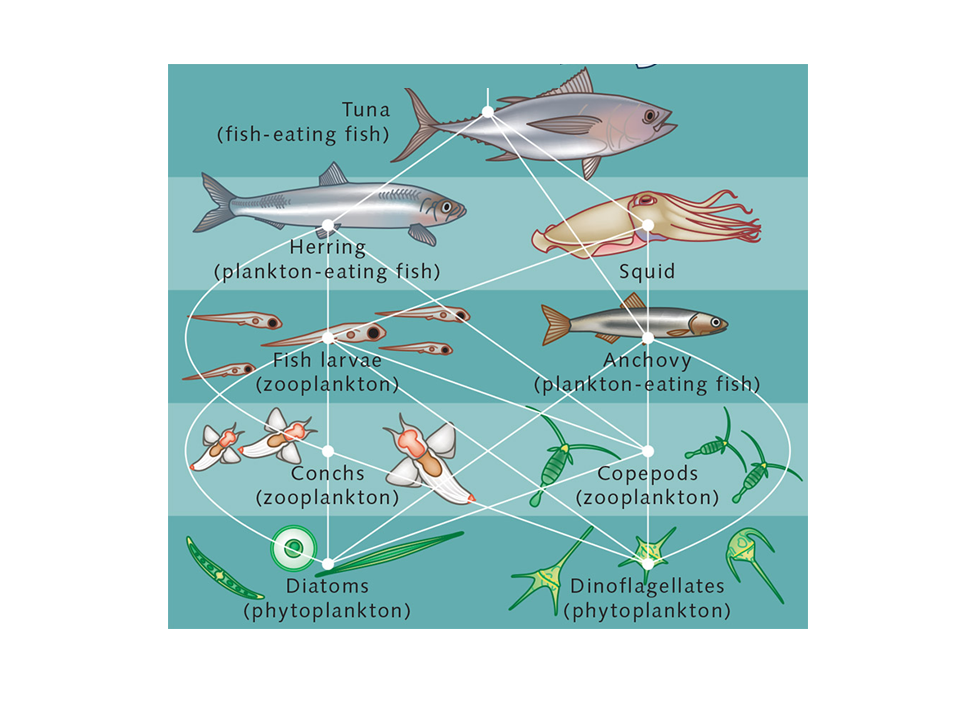
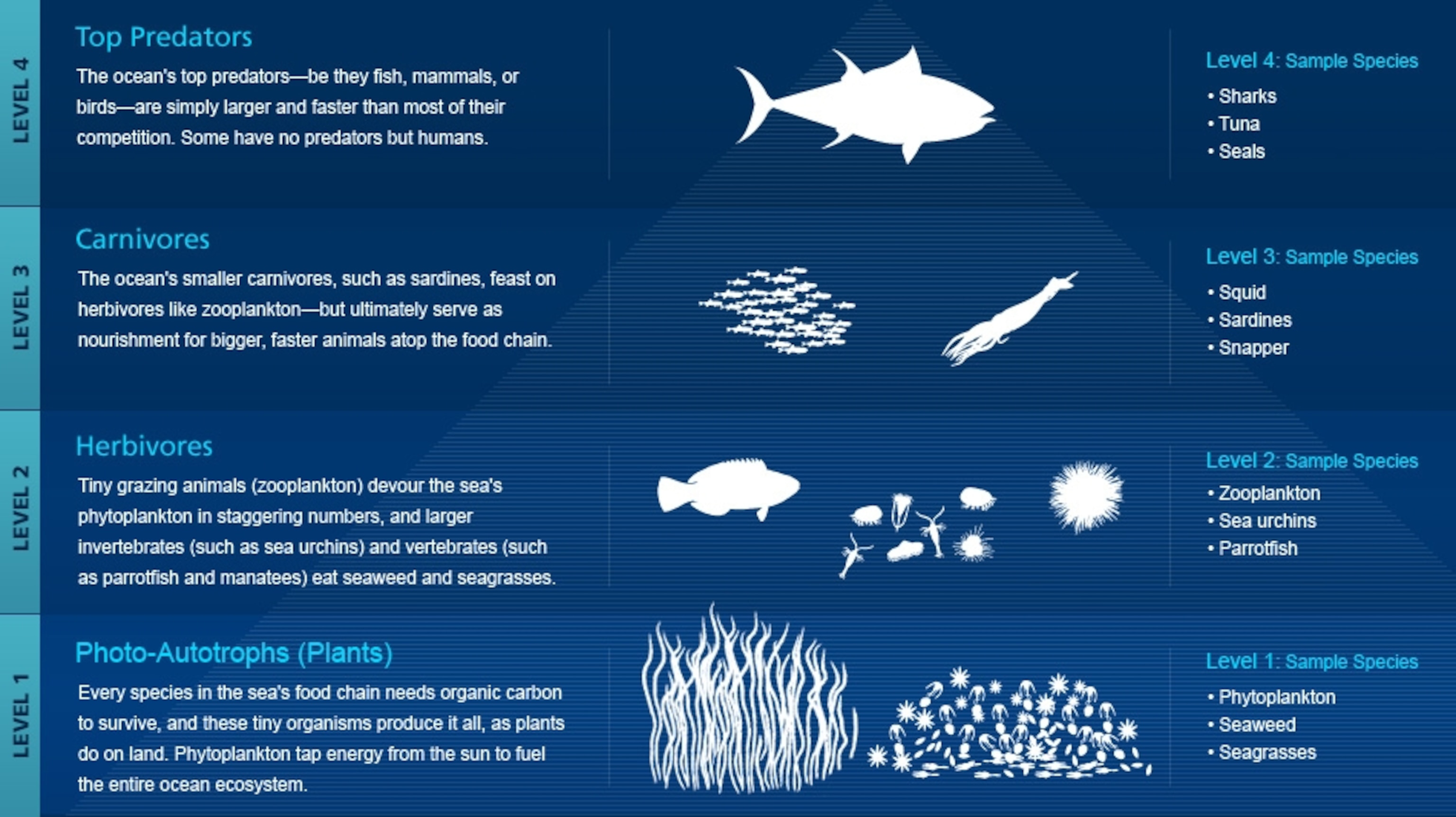
The ocean food web is an intricate balancing act of energy transfer. Omnivores occupy unique positions within this system because they do not fit neatly into a single trophic level. They can act as primary consumers when grazing on algae, and as secondary or tertiary consumers when hunting smaller fish or scavenging.
This dietary flexibility makes marine omnivores vital ecological buffers. If a specific prey population crashes, an omnivorous species can temporarily shift its focus toward available plant resources or alternative scavenged meals. Conversely, if algae blooms disrupt a habitat, omnivores can help control the vegetation while sustaining themselves on small invertebrates.
Examples of Omnivores in the Ocean
Marine environments host a surprising variety of omnivorous species, spanning from the sunlit coastal shallows to the crushing depths of the deep sea. Here are some of the most notable examples:
1. Sea Turtles
Many people assume sea turtles are strict herbivores or carnivores, but several species are true omnivores. For instance, the loggerhead sea turtle uses its powerful jaws to crush hard-shelled prey like crabs and conchs, but it also consumes algae, seaweed, and sponges. Green sea turtles start their lives as omnivores before transitioning largely to a vegetarian diet as adults, while hawksbills browse on sponges, anemones, and algae.
2. Marine Iguanas
Found exclusively in the Galapagos Islands, marine iguanas are famous for diving into the cold ocean to feed. While they are primarily herbivores that graze on underwater macroalgae and seaweed, studies show they occasionally ingest small crustaceans, insects, and animal remains found clinging to the rocks they graze upon.
Video: Herbivores, Carnivores, and Omnivores for Kids | Learn which animals eat plants, meat, or both
3. Certain Species of Sharks

While the vast majority of sharks are apex carnivores, scientists discovered that the bonnethead shark—a small relative of the hammerhead—is actually an omnivore. Researchers found that seagrass makes up a significant portion of their diet, and their digestive systems are capable of processing plant matter for nutrients just like they process fish and crabs.
4. Crabs and Lobsters
Benthic (bottom-dwelling) crustaceans are quintessential ocean omnivores. Blue crabs, hermit crabs, and lobsters are the ultimate cleanup crew of the seafloor. They use their claws to forage for anything available, including decaying animal matter, freshly caught fish, mollusks, and various types of marine algae and seagrass.
5. Many Fish Species
Numerous bony fish found in coral reefs and open waters are omnivores. Triggerfish, damselfish, and pufferfish regularly browse on coral polyps, small crustaceans, worms, and encrusting algae. This broad diet allows them to thrive in densely populated reef ecosystems where competition for food is fierce.
Anatomy and Adaptations of Marine Omnivores
Eating both plants and animals requires specialized physiological tools. Because plant matter is generally harder to digest than animal protein, ocean omnivores often feature distinct physical traits:
- Diverse Dentition or Mouthparts: Unlike the sharp, shearing teeth of strict carnivores or the flat grinding teeth of land herbivores, many marine omnivores possess a combination of teeth or specialized structures like crushing plates.
- Adaptable Digestive Tracts: Omnivores often have longer digestive tracts than carnivores to allow more time for plant cellulose to break down and yield nutrients.
- Behavioral Adaptations: Foraging behaviors are often opportunistic. Omnivores spend significant time searching, probing crevices, and testing different food sources in their environment.
Why Omnivory is a Survival Advantage in the Sea
Oceans are undergoing rapid environmental changes, including warming temperatures, ocean acidification, and habitat destruction caused by human activity. Species with rigid dietary requirements often struggle when their preferred prey or vegetation disappears.
Marine omnivores possess built-in resilience against these disruptions. If coral bleaching decimates the specific invertebrates a fish relies on, an omnivore can pivot to consuming surviving algae or opportunistic organisms. This metabolic flexibility often translates to higher population stability in disturbed ecosystems.
Conclusion
Understanding what is an omnivore in the ocean highlights the incredible complexity and adaptability of marine life. From bottom-dwelling crabs and grazing sea turtles to unexpected plant-eating sharks, these versatile eaters play a crucial role in maintaining the health and balance of global marine ecosystems. Their ability to bridge the gap between plant and animal resources ensures they remain resilient survivors in an ever-changing blue planet.