What Is Dog Knotting? A Guide to Canine Reproduction
Understanding Canine Reproduction: What Is Dog Knotting?
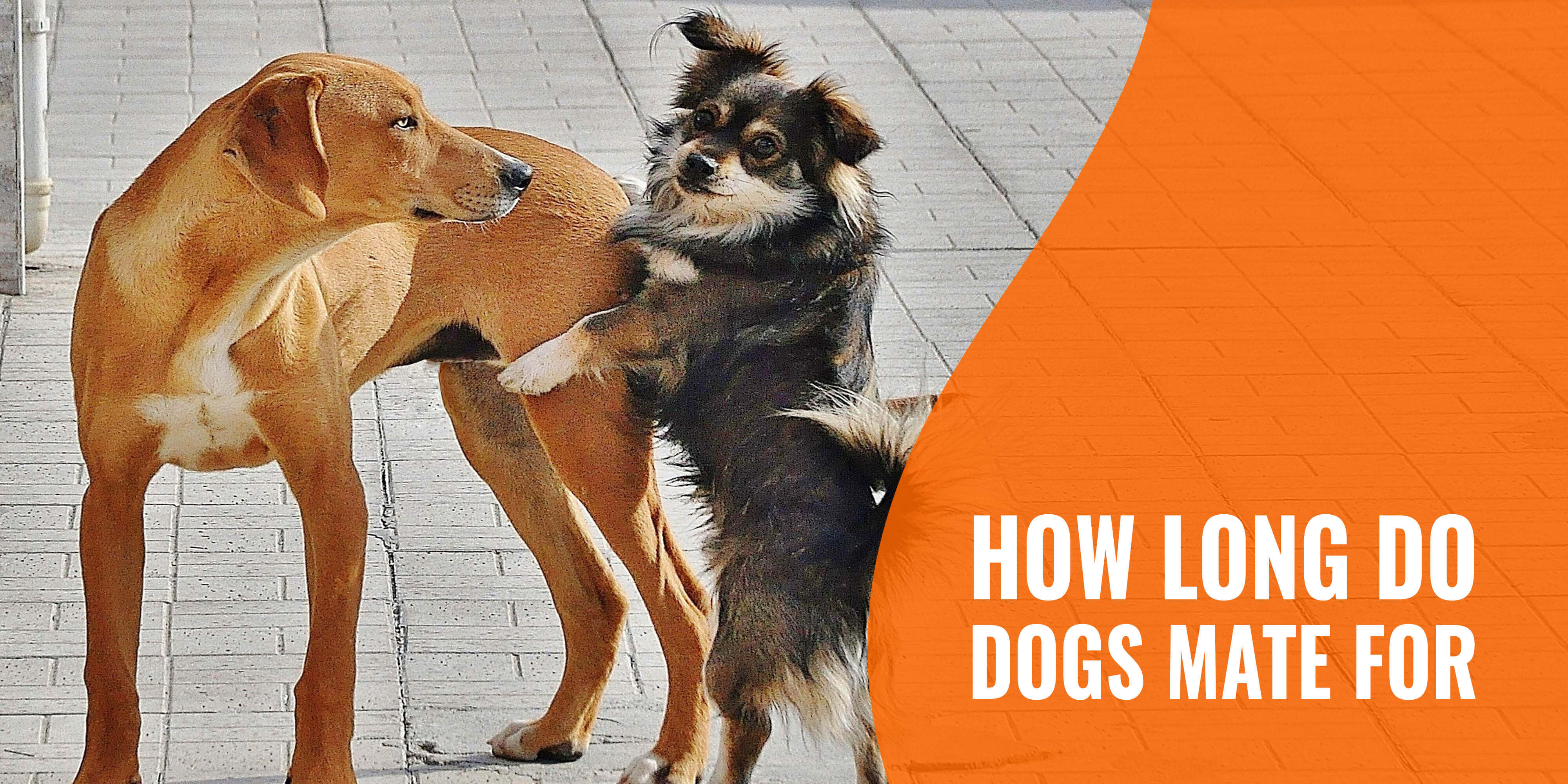
If you have ever witnessed dogs mating, you might be startled to see them turn back-to-back and remain stuck together for several minutes or even up to an hour. Many pet owners and animal lovers find themselves asking: what is dog knotting?
Dog knotting—scientifically known as the "coital tie"—is a completely natural, involuntary physiological part of the canine reproductive process. It occurs when a male dog (dog) and a female dog (bitch) mate. Understanding this process is vital for breeders, shelter workers, and everyday pet owners who want to understand canine biology and ensure the safety and welfare of the animals involved.
How the Canine Tie Works Anatomically
To understand the knot, you have to look at male canine anatomy. The bulbus glandis is a specialized tissue structure located at the base of the male dog's penis. This structure plays the primary role in creating the physical lock during breeding.
The Role of the Bulbus Glandis
Before mating, the bulbus glandis is relatively small. However, as sexual arousal and mating progress, this glandular tissue rapidly fills with blood and swells significantly. Once the male has entered the female and ejaculation begins, the bulbus glandis expands inside the female's vagina.
Muscular Contractions
Simultaneously, the muscles of the female's reproductive tract contract around the swollen tissue, holding the male firmly in place. This creates a secure physical lock that prevents the pair from separating prematurely.
Why Does Dog Knotting Happen?
From an evolutionary perspective, the canine tie serves a crucial purpose: ensuring the successful fertilization of eggs.
- Guaranteed Insemination: By locking the male and female together, the tie ensures that the sperm is delivered deep into the reproductive tract, maximizing the chances of pregnancy.
- Paternity Protection: In the wild, keeping the female tied up prevents other competing males from mating with her during the peak window of fertility, effectively securing the first male's paternity over the litter.
- Sperm Transport: The prolonged physical connection allows for multiple phases of ejaculation (pre-sperm, sperm-rich fluid, and prostatic fluid) to be delivered effectively.
- Never try to pull them apart: Forcing a separated pair can cause severe, painful physical trauma, tearing, and permanent damage to both the male and female reproductive organs.
- Do not panic or punish the dogs: Dogs during a tie are often anxious because they are physically restricted and vulnerable. Shouting or punishing them only increases their stress.
- Avoid throwing water or using physical force: Trying to startle them apart will trigger a fight-or-flight response, potentially leading to injuries as they thrash around against the physical lock.
How Long Does the Tie Last?

A typical canine tie can last anywhere from 5 minutes to over an hour, with 10 to 30 minutes being the most common duration. The exact length varies depending on the individual dogs, their age, and their experience levels.
Once the physiological processes run their course, the blood vessels in the bulbus glandis begin to constrict, the tissue shrinks back to its normal size, and the female's muscles relax. The dogs will naturally and effortlessly separate on their own once the tie is broken.
Crucial Safety Rules: What NOT to Do During a Tie
Witnessing a dog knot can be alarming, especially if you are unprepared. However, human intervention during this time is extremely dangerous.
If the dogs begin to panic and try to pull away from each other violently, your only role is to calmly supervise, ensure they are in a safe, quiet environment away from other animals, and let nature take its course.
Spaying and Neutering: Preventing Unplanned Litters
Because dog knotting is so efficient at producing litters, responsible pet ownership heavily emphasizes spaying and neutering. A single mating session resulting in a successful tie can easily produce a large litter of puppies, contributing to pet overpopulation.
Talk to your veterinarian about the appropriate age to spay or neuter your dog. Beyond preventing unwanted puppies, sterilization eliminates unwanted behaviors, reduces the risk of certain cancers, and improves overall canine health and longevity.
Summary
Dog knotting is a fascinating, highly specialized mechanism of canine reproduction that ensures the survival of the species. While it may look strange or uncomfortable to human observers, it is a painless, natural process that requires no interference. By understanding canine biology, owners can approach breeding and pet care with greater knowledge, patience, and compassion.


