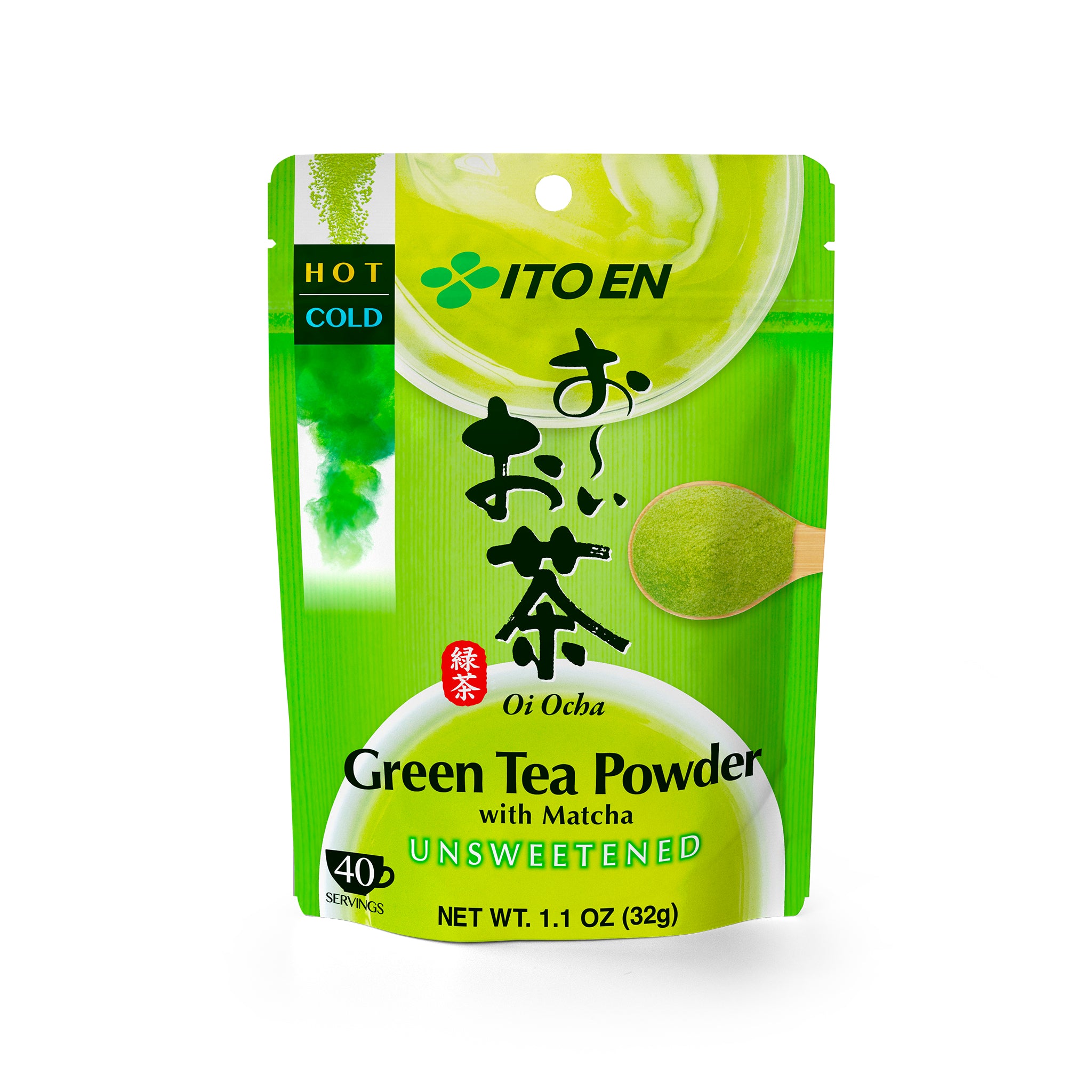
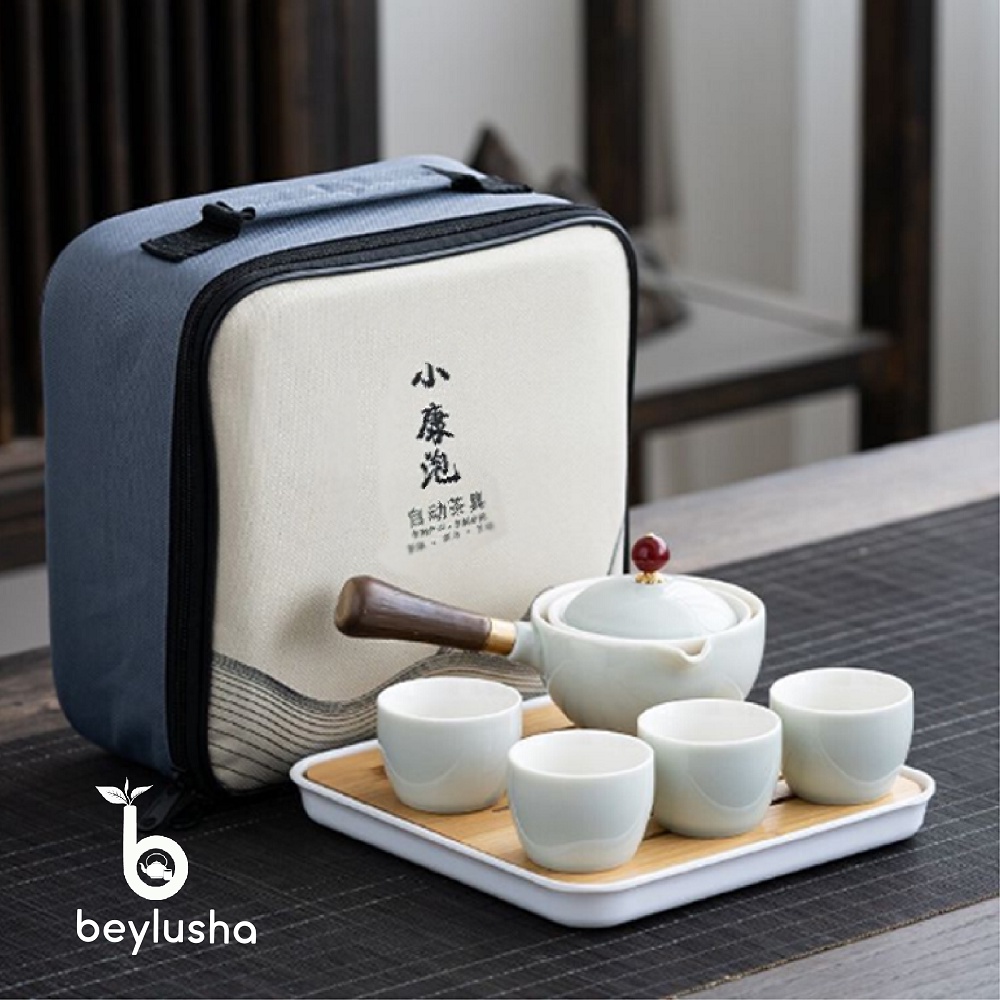
What is Ocha Tea? Types, Benefits, and Brewing
If you have ever stepped into a Japanese restaurant or explored Asian grocery stores, you have likely encountered the term ocha tea. In Japan, simply saying ocha (お茶) translates directly to 'tea,' but in the global beverage market, it specifically refers to traditional Japanese green tea. Unlike black teas or oxidized oolongs, Japanese green teas are celebrated for their vibrant green color, fresh grassy aroma, and distinct savory, umami-rich flavor profile.

Understanding this beverage goes beyond simply boiling water and steeping leaves. It opens up a rich cultural history spanning centuries, a unique processing method that preserves antioxidants, and a wide array of distinct regional varieties. Whether you are a seasoned tea connoisseur or a curious beginner looking to expand your palate, exploring Japanese green tea offers a rewarding journey into mindfulness and flavor.
The Processing Difference: Steam vs. Pan-Firing
The defining characteristic that sets Japanese green teas apart from their Chinese counterparts lies in the initial processing stage. While Chinese green teas are typically pan-fired to stop oxidation—resulting in a toasted, nutty flavor—traditional ocha tea is briefly steamed.
Immediately after harvesting, the fresh tea leaves are exposed to hot steam for 15 to 20 seconds. This rapid heating deactivates the enzymes responsible for oxidation, locking in the leaves' vibrant green chlorophyll and fresh, vegetal characteristics. Following the steaming process, the leaves are rolled, shaped, and dried. This steaming method creates the signature brisk, oceanic, and sometimes seaweed-like notes that define authentic Japanese green teas.
Popular Varieties of Japanese Green Tea
Because the term encompasses several styles, it helps to know the differences between the most common varieties found on shelves today.
- Sencha: The quintessential everyday green tea in Japan, accounting for about 80% of the country's total tea production. It features needle-like leaves and a wonderful balance of astringency and sweetness.
- Matcha: A powdered green tea made from shade-grown tea leaves called tencha. Because you consume the entire leaf stone-ground into a fine powder, matcha delivers a potent concentration of nutrients and caffeine.
- Genmaicha: Often nicknamed 'popcorn tea,' this blend combines green tea leaves with roasted brown rice. The result is a comforting, toasty, and nutty brew that cuts through rich meals.
- Hojicha: Unlike unroasted greens, hojicha leaves are roasted over charcoal in porcelain pots. This process turns the leaves brown, reduces the caffeine content, and imparts a warm, caramel-like aroma.
- Gyokuro: A high-end shade-grown tea. Farmers cover the bushes for a few weeks before harvesting, which boosts amino acids like L-theanine, yielding an intensely sweet and savory cup.
Health Benefits of Drinking Ocha Tea
Beyond its comforting taste, ocha tea is widely researched for its impressive array of health benefits. Because the leaves are gently steamed rather than fermented, they retain a high concentration of beneficial plant compounds.
Video: What is Oi Ocha?

Packed with Antioxidants
Green tea is loaded with polyphenols, particularly a type of catechin called epigallocatechin gallate (EGCG). These powerful antioxidants help neutralize free radicals in the body, protecting cells from oxidative stress and potentially reducing the risk of chronic conditions.
Mental Alertness and Calm Focus
While ocha tea contains caffeine—roughly a third to half the amount found in a comparable cup of drip coffee—it also contains a unique amino acid called L-theanine. L-theanine promotes relaxation without causing drowsiness. When paired with caffeine, it creates a state of calm, focused alertness often described as 'zen alertness,' preventing the jittery crash associated with coffee.
Metabolism and Heart Health
Regular consumption of green tea has been linked to improved metabolic function. Studies suggest that the catechins and caffeine work synergistically to help mobilize fat from fat tissues and boost metabolic rate. Additionally, research indicates that regular green tea drinkers may experience improvements in cholesterol levels and blood pressure regulation.
How to Brew the Perfect Cup
Brewing ocha tea requires a slightly different approach than black or herbal teas. Boiling water can scorch the delicate leaves, releasing bitter compounds that overpower the sweet, umami notes.
- Mind the Temperature: For standard sencha, aim for water that is around 160°F to 175°F (70°C to 80°C). For delicate gyokuro, lower the temperature further to about 140°F (60°C). If you don't have a variable-temperature kettle, boiling water can be cooled down by pouring it between vessels a couple of times.
- Measure Wisely: Use about one to two teaspoons of loose leaf tea per cup (approx. 8 ounces) of water.
- Steep Gently: Japanese green teas steep quickly. Most sencha varieties require only 60 to 90 seconds for the first infusion. High-end teas like gyokuro may take up to two minutes.
- Enjoy Multiple Infusions: Do not throw away the leaves after one cup! High-quality loose leaf green tea can typically be steeped three or more times. Simply reduce the water temperature slightly and extend the steeping time by 15 to 30 seconds for subsequent rounds.
Incorporating ocha tea into your daily routine is a simple yet profound way to boost your wellness while enjoying a moment of daily tranquility. By paying attention to water temperature and selecting a variety that matches your flavor preferences, you can easily master the art of enjoying authentic Japanese green tea at home.