What Makes the Deathly Hallows Cast So Unique
When the final chapters of J.K. Rowling’s wizarding epic were brought to the silver screen, the ensemble brought together for the grand finale represented a masterclass in casting. To understand film history, one must look closely at what makes the Deathly Hallows cast so unique. It wasn't just about star power; it was about a rare, decade-long commitment that bridged the gap between British acting royalty and raw, unproven child actors who grew up in front of the world.

The Masterclass of British Acting Royalty
One of the most defining characteristics of the final two films is the sheer density of legendary British talent filling the background and foreground alike. By the time Harry Potter and the Deathly Hallows rolled around, the production had accumulated almost every major living British stage and screen icon.
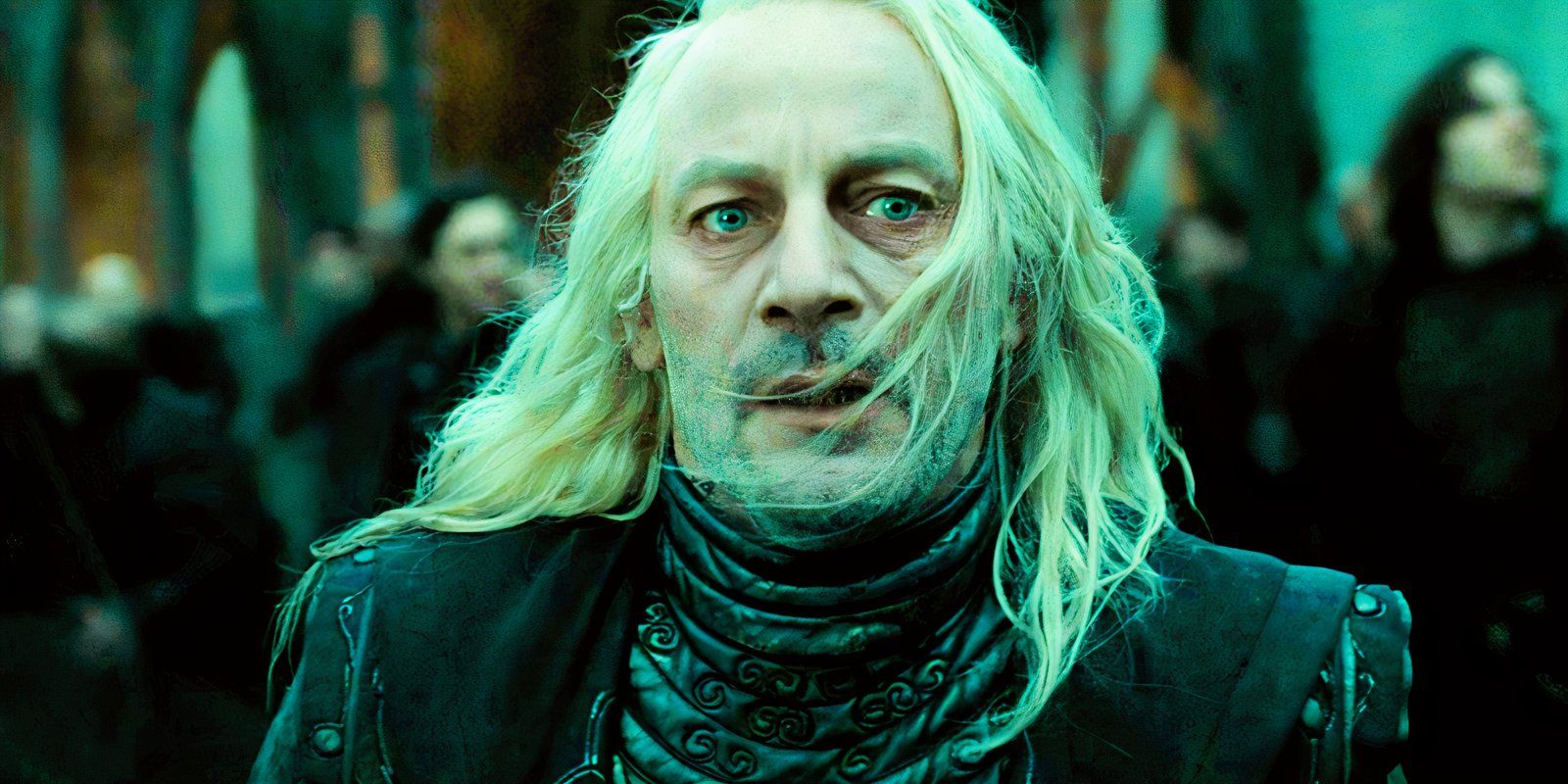
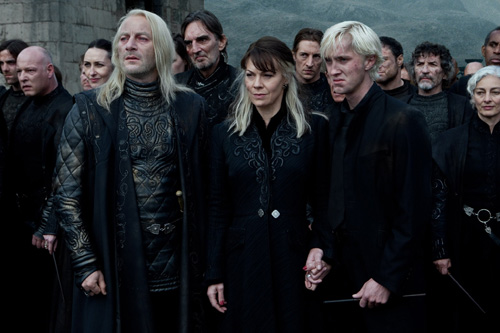
Think of the antagonists and authority figures: Ralph Fiennes as the chilling Voldemort, Alan Rickman weaving decades of tragic nuance into Severus Snape, and Helena Bonham Carter delightfully unhinged as Bellatrix Lestrange. Joining them in the darker, more desperate final chapters were actors like Bill Nighy (Minister Rufus Scrimgeour), Rhys Ifans (Xenophilius Lovegood), and Ciarán Hinds (Aberforth Dumbledore). These weren't just stunt-cast cameos; they were seasoned professionals who elevated the fantasy genre into high dramatic art.
A Decade-Long Evolution of Child Stars
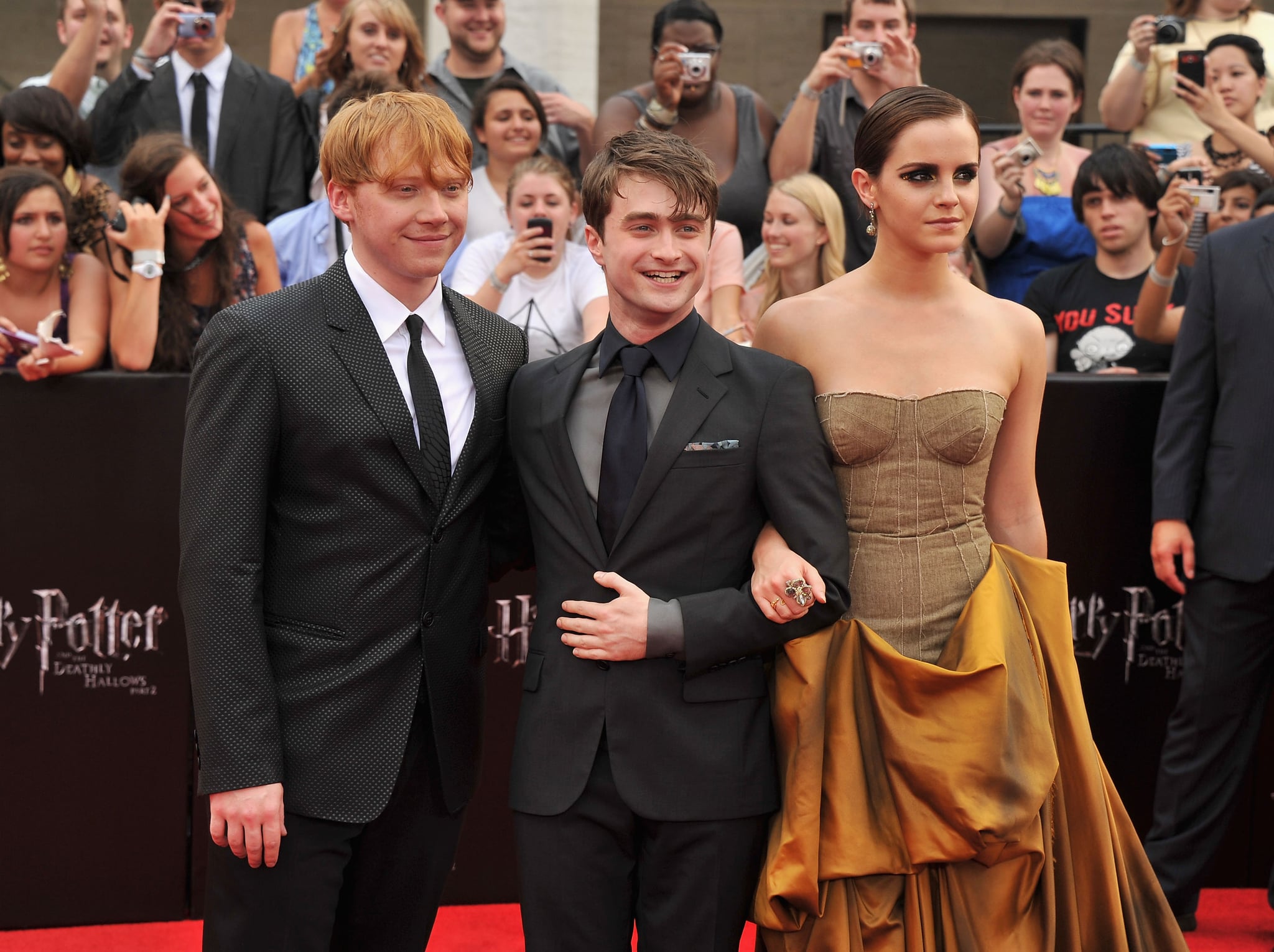
While adult ensembles change constantly in long-running franchises, the core trio of Daniel Radcliffe, Rupert Grint, and Emma Watson remained constant from 2001 to 2011. This continuity is a massive part of what makes the Deathly Hallows cast so unique.
Audiences didn't just watch characters age; they watched real children transform into adults under the intense glare of the global spotlight. By Deathly Hallows – Part 1 and Part 2, Radcliffe, Grint, and Watson were no longer playing adorable eleven-year-olds discovering magic. They were portraying traumatized, battle-hardened young adults carrying the weight of a war. The emotional heavy lifting in the forest scenes, the tent arguments, and the final battle worked precisely because the actors had a decade of shared history and genuine camaraderie to draw upon.
Seamless Generational Hand-Offs
The Deathly Hallows films required an unprecedented look into the past through the Prince's Tale and the history of the Peverell brothers. This demanded a supporting cast of younger counterparts who could match the physical traits and mannerisms of the established adult actors.
- Benedict Clarke as the young Severus Snape, capturing the vulnerable, sullen nature of the character before bitterness set in.
- Ariella Paradise as the young Lily Potter, grounding the pivotal memories that motivated Snape and Harry.
- Rocco Conway and other young actors who brought depth to the Marauder-era flashbacks.
These casting choices ensured emotional continuity, making the revelations of the final act land with maximum psychological impact.
The Unsung Heroes and Cameos
Beyond the primary and secondary players, the background tapestry of the Deathly Hallows cast features brilliant character actors who defined the aesthetic of the wizarding world. Imelda Staunton returned as the bureaucratic nightmare Dolores Umbridge, David Thewlis and Natalia Tena anchored the tragic Lupin-Tonks family, and Maggie Smith commanded the screen as Professor McGonagall during the defense of Hogwarts.
Even fleeting roles, such as Toby Jones voicing Dobby or Matthew Lewis completing Neville Longbottom's heroic metamorphosis, were executed with precision. Every actor understood they were part of a cultural landmark, leading to remarkably grounded performances despite the high-fantasy stakes.
Conclusion: A Once-in-a-Generation Ensemble
It is exceedingly rare for a film franchise to run for ten years without major recasting of its primary roles. It is even rarer for that same franchise to attract the absolute pinnacle of British theatrical talent to play supporting villains, ghosts, and teachers. The unique alchemy of children growing up on screen alongside acting legends created a cinematic family dynamic that can never truly be replicated. That rare blend of loyalty, legacy, and raw talent is precisely what makes the Deathly Hallows cast so unique.