What Pinellas County's Police Call Data Reveals
Understanding Public Safety Through Emergency Data

For most residents, a neighborhood's safety is judged by anecdotal evidence: the sound of a siren in the distance, a missing bicycle, or a friendly neighborhood watch meeting. However, local law enforcement agencies log hundreds of thousands of interactions every year. Analyzing public records provides a data-driven window into local safety. If you want to look beyond the headlines, understanding What Pinellas County's Police Call Data Reveals About YOUR Community is essential for homeowners, renters, and local business owners alike.
Pinellas County encompasses a diverse mix of densely populated urban centers like St. Petersburg and Clearwater, dense suburban enclaves, and quiet beach communities. Because of this geographic and demographic variety, the sheer volume and nature of emergency calls vary drastically from one zip code to the next. By examining open-source CAD (Computer-Aided Dispatch) logs and annual sheriff's reports, we can uncover meaningful patterns about crime, traffic incidents, and public assistance needs.
The Breakdown: Types of Calls Placed in Pinellas County
When people think of 911 calls, they often picture violent crimes in progress. In reality, police call data shows that crimes against persons make up a relatively small fraction of daily dispatch logs. The vast majority of calls fall into categories that highlight the multifaceted role of modern law enforcement.
Property Crimes and Domestic Disputes
Property crimes—including vehicle break-ins, burglaries, and retail theft—consistently rank among the highest volume offenses reported to the Pinellas County Sheriff's Office and municipal police departments. Coastal areas and tourist hotspots often see seasonal spikes in property theft, particularly crimes of opportunity like unlocked car doors. Meanwhile, domestic disturbances and neighborhood disputes generate a significant, steady stream of calls across both urban and suburban neighborhoods year-round.
Traffic Incidents and Infrastructure Strain
With Florida's population booming, traffic-related incidents form a massive portion of dispatch data. Fender-benders, aggressive driving complaints, and pedestrian hazards dominate the logs along major corridors like US-19, Roosevelt Boulevard, and Alt 19. Data reveals that peak commuting hours directly correlate with spikes in minor collision calls, putting a heavy strain on local traffic units.
Geographic Trends: Urban Centers vs. Coastal Communities
Pinellas County's unique geography creates distinct micro-environments when it comes to emergency services. What happens in downtown St. Petersburg looks very different from what occurs in residential Tarpon Springs or barrier island towns like Madeira Beach.

- Urban Core (St. Petersburg & Clearwater): These areas experience higher volumes of calls related to commercial disturbances, trespassing, and quality-of-life issues such as homelessness and public intoxication.
- Suburban Neighborhoods (Palm Harbor, Largo, Pinellas Park): Data here is typically dominated by residential alarms, traffic complaints, juvenile disturbances, and domestic calls.
- Coastal & Tourist Zones: Areas like Clearwater Beach and Treasure Island see dramatic influxes in calls during spring break, summer weekends, and major holiday periods, heavily skewing metrics toward parking disputes, noise complaints, and alcohol-related incidents.
What Pinellas County's Police Call Data Reveals About YOUR Community
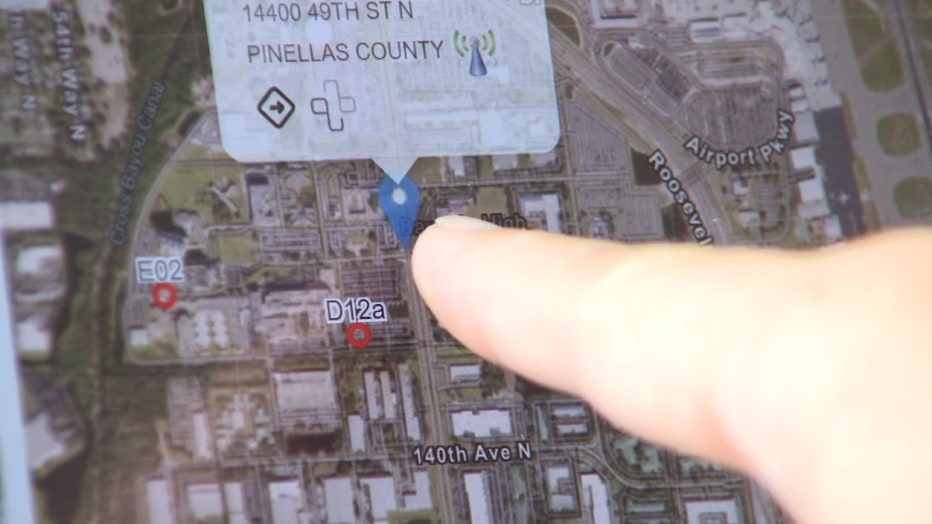
When you drill down past county-wide statistics to neighborhood-level data, the numbers start telling a personal story about your specific block. Public safety portals and crime mapping tools allow residents to see precisely what types of incidents are occurring nearby.
Often, residents are surprised to learn that violent crime is statistically rare in their immediate neighborhood, while property crimes—like package thefts from porches or unlocked vehicle burglaries—are the primary threat. This realization shifts the focus of community safety from panic about major crime waves to practical prevention strategies, such as installing security cameras, lighting dark entryways, and locking car doors every single night.
How Residents Can Use Public Safety Data
Accessing police call data is not just an exercise for data nerds or journalists; it is a practical tool for everyday citizens. Here is how you can put this information to work:
- Real Estate Decisions: Before buying or renting a home in Pinellas County, check local crime mapping tools to understand the frequency of calls for service in that specific subdivision.
- Community Organizing: Use call trends to guide discussions at neighborhood association meetings. If data shows an uptick in vehicle break-ins, the neighborhood can coordinate to hire extra patrols or launch awareness campaigns.
- Resource Allocation: Knowing how stretched local law enforcement is helps citizens advocate for better municipal resources, traffic calming measures, or mental health response teams in their districts.
Limitations of Emergency Dispatch Data
While dispatch data is incredibly useful, it is important to interpret it with a degree of caution. A high volume of police calls in a specific neighborhood does not automatically mean it is a dangerous place to live. In fact, active, engaged neighborhoods often log *more* calls because residents are vigilant, quick to report suspicious behavior, and maintain a close working relationship with local law enforcement.
Conversely, low call volumes in certain areas might reflect under-reporting rather than a complete absence of crime. Understanding the context behind the numbers is vital to forming an accurate picture of neighborhood safety in Pinellas County.
Conclusion: Empowering Yourself Through Information
Police call logs are a transparent reflection of our daily lives, capturing everything from minor neighborhood disputes to major emergencies. By looking closely at what the data reveals, Pinellas County residents can move past generalized fears and focus on real, actionable steps to protect their homes, families, and businesses.