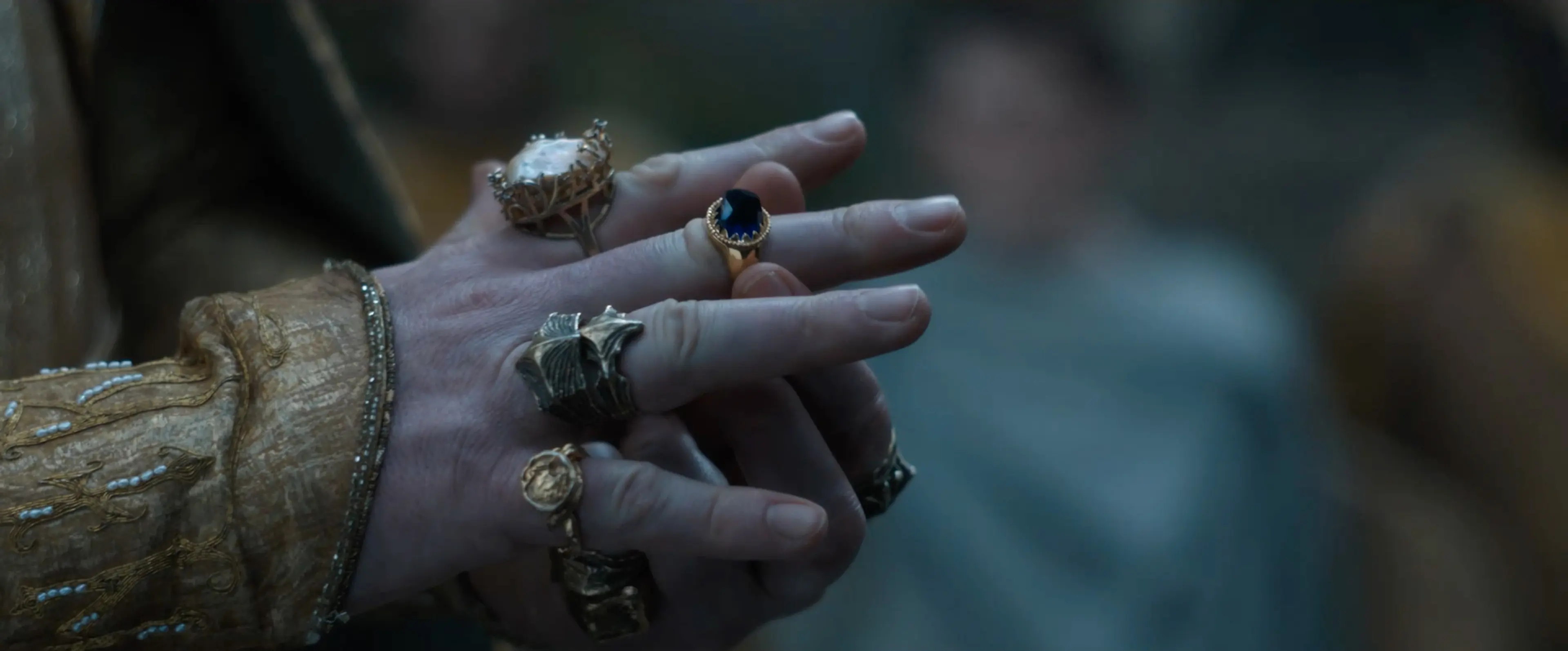
What Powers Do the Rings of Power Have?
J.R.R. Tolkien’s legendarium features some of the most iconic magical artifacts in fantasy history, yet their exact mechanics are often misunderstood. When exploring Middle-earth lore, fans frequently ask: what powers do the rings of power have? Forged in the fires of Eregion by the Elven-smiths under the guidance—and ultimate deception—of Sauron, these twenty rings were designed with specific, ambitious purposes. However, their magic extends far beyond simple invisibility or enhanced strength.

While popular culture often associates all magical rings with the One Ring, the truth is far more nuanced. The lesser rings, the Nine given to Men, the Seven given to Dwarves, and the Three worn by the Elves each possessed distinct capabilities and carried severe, unintended consequences.
The Crafting and Core Purpose of the Rings
Before examining the specific abilities of each set, it is crucial to understand why they were made. Annatar (Sauron in disguise) taught the Elven-smiths advanced metallurgical techniques. His primary goal was domination, but the Elves initially sought to halt the ravages of time.
Middle-earth was subject to decay; Elves, in particular, suffered because their spirits burned so brightly that their bodies faded over millennia, and they deeply mourned the changing of the natural world. Therefore, the foundational magic imbued into almost all the Great Rings was the power of preservation, mastery, and slowing the passage of time.
What Powers Do the Rings of Power Have by Faction?
Because the rings were distributed among different races, their effects manifested differently depending on the wearer's inherent nature, willpower, and resistance to corruption.
1. The Three Rings of the Elves (Narya, Nenya, and Vilya)
The Three were forged entirely by Celebrimbor alone, without Sauron's physical touch, though they were still created using the forbidden techniques Sauron shared. Consequently, they were free of direct corruption, though still linked to the One Ring.
- Narya (The Ring of Fire): Wielded first by Círdan and later by Gandalf, Narya had the power to inspire others to resist tyranny and despair. It kindled hearts, gave physical and mental warmth, and provided resistance against weariness in tasks of endurance.
- Nenya (The Ring of Water): Wielded by Galadriel, Nenya possessed the power of preservation, concealment, and protection. It created the mystical, timeless sanctuary of Lothlórien, shielding it from evil eyes and decay.
- Vilya (The Ring of Air): The mightiest of the Three, held first by Gil-galad and later by Elrond. Vilya granted immense healing powers, mastery over the elements (such as summoning the flood at the Bruinen river), and the ability to preserve strongholds like Rivendell.
2. The Seven Rings of the Dwarves
Sauron gave seven rings to the leaders of the seven Dwarf houses. Their primary magical effect was wealth-generation and amplifying the innate greed and stubbornness of the Dwarven race.

Dwarves proved uniquely resilient to Sauron's mind control. They could not be turned into wraiths or dominated directly. Instead, the rings acted as amplifiers for their natural traits: multiplying hoarded gold, accelerating trade, and granting immense physical endurance in deep mountain halls. However, this wealth inevitably attracted dragons, leading to the destruction or loss of most of the Seven.
3. The Nine Rings of Men
Given to ambitious kings, sorcerers, and warriors of mortal men, the Nine were the most devastatingly successful tools in Sauron's arsenal.
Mortal minds are weak compared to Elves and Dwarves. The Nine granted their wearers terrifying abilities:
- Great earthly power, dominion over subjects, and immense wealth.
- The power to see things in the unseen world, granting acute perception.
- Extended lifespans, stretching mortal existence into centuries—though this soon became a curse rather than a blessing.
Over time, the magic of the Nine stretched their lives so thin that their physical bodies faded entirely. They became the Nazgûl (Ringwraiths), completely enslaved to the will of the One Ring and wielding terrifying psychological dread that could paralyze enemies with fear.
The Ultimate Power: The One Ring
Forged in secret in the fires of Mount Doom, the One Ring was the master key designed to control all others. Its power profile dwarfed the rest:
- Mastery of Wills: It allowed Sauron to read the thoughts of those wearing the other rings, manipulate their minds, and bend them to his absolute command.
- Amplification of Innate Power: Anyone who wore the One Ring found their natural authority, charisma, and spiritual strength vastly magnified.
- Invisibility: By shifting the wearer partially into the wraith-world, the Ring rendered them invisible to mortal eyes—though instantly visible to spiritual entities and Sauron himself.
The Cost and Corruption of Ring Magic
It is impossible to discuss what powers do the rings of power have without addressing their heavy price. Tolkien’s universe operates on a moral physics where power exerted over others invariably corrupts the wielder.
Aside from the Three Elven rings—which only became safe to use after Sauron's first physical defeat—every ring tied its owner to the Dark Lord. The rings did not create raw elemental magic out of nothing; rather, they bent the reality of Middle-earth to the user's will, accelerating exhaustion, feeding pride, and eventually reducing free-willed beings into puppets of darkness. Ultimately, the true power of the rings was not just magic, but temptation.