What’s Really Connecting Underground? Leak Correlations
Decoding the Subsurface: What’s Really Connecting Underground? The Leak Correlations You Can’t Ignore

Beneath our city streets, residential lawns, and commercial complexes lies an intricate web of pipes. Water mains, irrigation lines, and industrial conduits form a complex circulatory system that we rarely think about until something goes wrong. When water starts escaping from a pressurized pipe miles beneath the concrete, it rarely pools directly on the surface. Instead, it travels along the path of least resistance, eroding soil, undermining foundations, and driving up utility bills far away from the actual breach.
Finding these hidden faults requires more than just guesswork; it demands an understanding of the data points linking surface symptoms to subterranean failures. By examining acoustic signatures, soil moisture data, and pressure drops, technicians can map out systemic issues. Recognizing these vital connections is the only way to prevent minor pinhole leaks from turning into catastrophic sinkholes.
The Science of Acoustic and Pressure Correlations
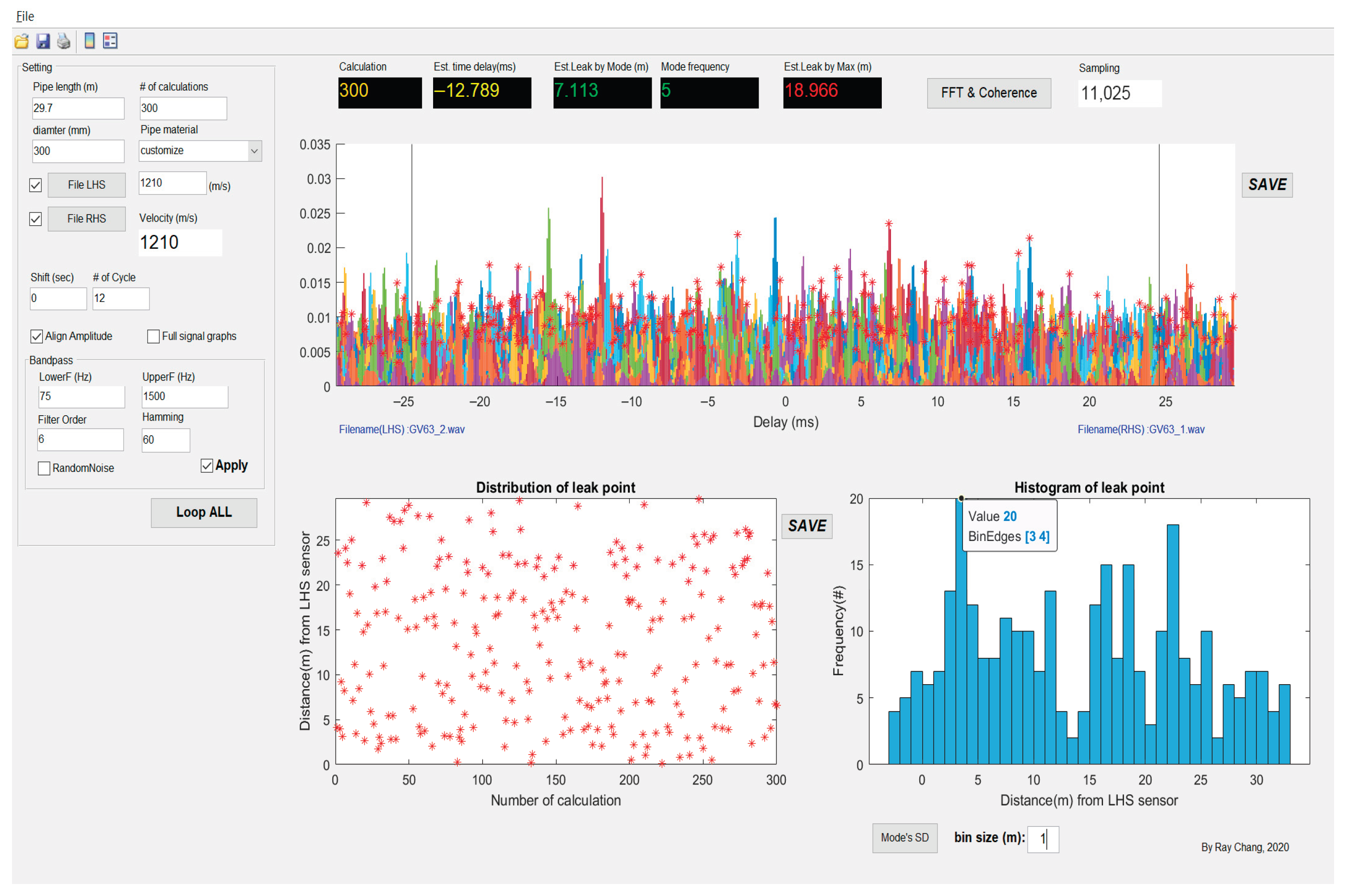
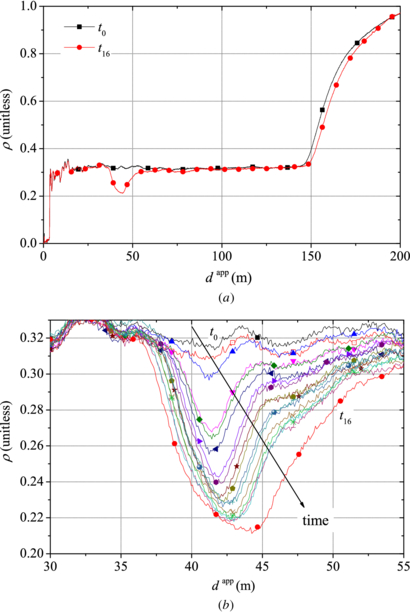
Water escaping a pressurized pipe under high velocity generates a distinct sound and vibration. This acoustic wave travels along the pipe wall in both directions away from the leak point. Modern leak detection relies heavily on cross-correlation, a mathematical technique that compares the noise recorded by two sensors placed on either side of a suspected leak area.
To pinpoint the exact location of the damage, technicians input three critical variables into a correlator:
- Distance between sensors: The precise measurement of the span between fire hydrants, valves, or direct pipe contact points.
- Pipe material and diameter: Different materials—such as ductile iron, PVC, copper, or asbestos cement—transmit sound at vastly different speeds.
- Sonic velocity: The speed at which sound travels through that specific medium under current operating pressures.
By analyzing the time delay it takes for the sound wave to reach the upstream versus the downstream sensor, the computer calculates the exact distance to the leak. This eliminates the need for destructive exploratory digging, saving time, money, and landscape integrity.
Environmental Red Flags: Correlating Surface Clues to Subsurface Breaks
Not every leak emits a clear acoustic frequency that standard sensors can isolate. In low-pressure lines, plastic pipes, or heavily insulated environments, the sound might be too muffled to register clearly. In these scenarios, field operators must look for environmental correlations—patterns where surface conditions directly point to a subsurface failure.
Unusual Vegetation Growth
One of the most reliable visual indicators of an underground water leak is localized vegetation behavior. During dry summer months, a patch of grass that remains brilliantly green and lush while the surrounding lawn turns brown is a massive red flag. This hyper-growth indicates a continuous, subterranean water source feeding the root system from below.
Micro-Topography Changes and Soil Subsidence
Water under pressure acts like a hydraulic excavator beneath the earth. As it washes away fine soil particles, it creates voids. Over time, the weight of the surface layer—whether it is asphalt, concrete, or topsoil—causes the ground to sag. Correlating minor depressions or dipping pavement lines with the municipal water schematic often reveals a rotting main or a severed service line.
Data Integration: Tying Smart Infrastructure Together
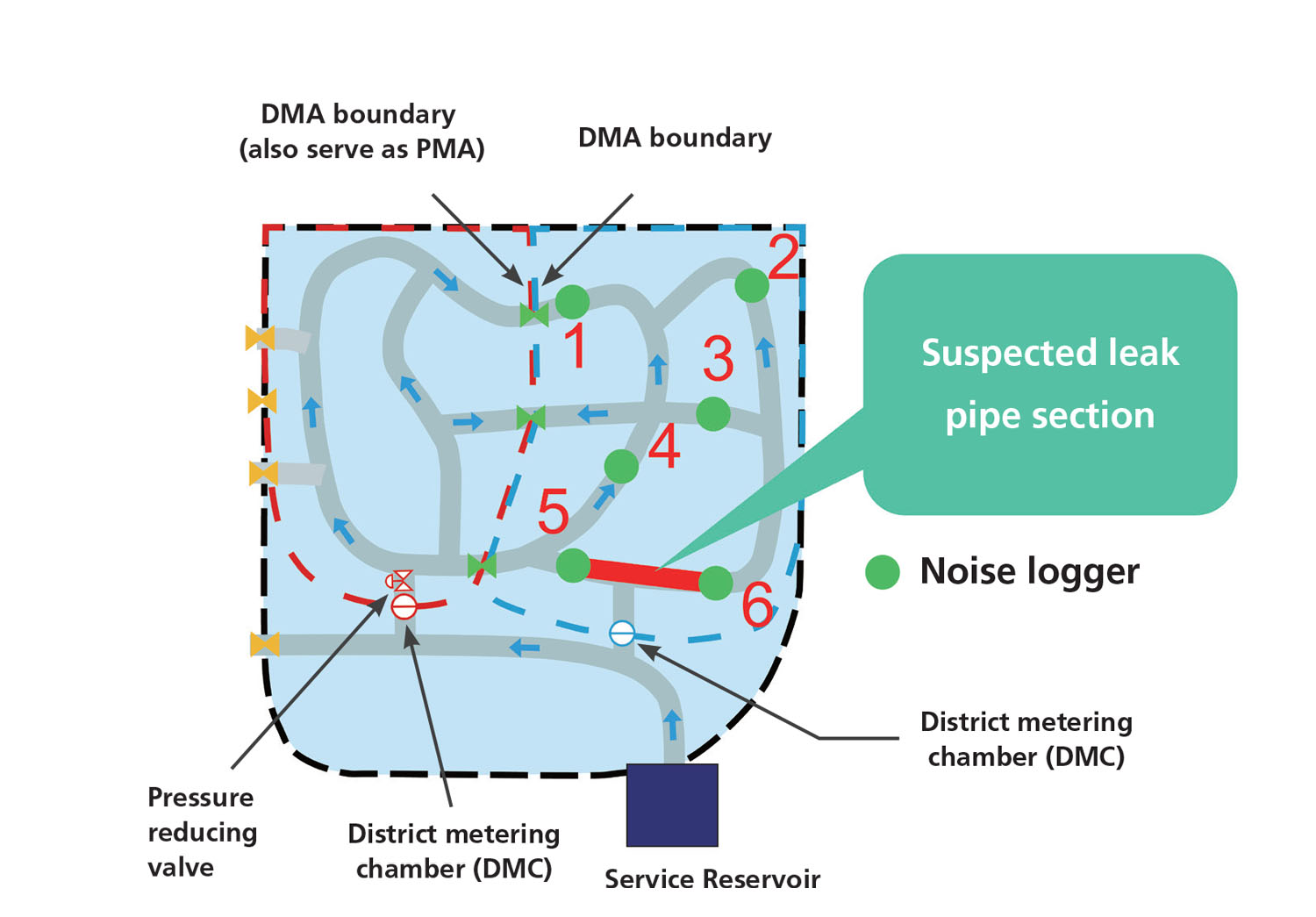
As cities and large facilities upgrade to smart water networks, leak correlation has evolved from a reactive troubleshooting method into a proactive data science. Permanent acoustic loggers are now magnetically mounted to valves and hydrants throughout entire distribution grids. These devices listen for leak signatures during the quietest hours of the night—typically between 2:00 AM and 4:00 AM—and transmit audio files back to a central dashboard.
Cloud-based platforms aggregate this acoustic data alongside flow meter readings and pressure transients. When a pressure drop correlates with a recurring acoustic spike at a specific node, the system flags a high-probability leak automatically. This shift from manual sweeps to automated, real-time correlation allows maintenance crews to dispatch repair teams before water loss impacts the surrounding community.
Preventing Infrastructure Failure Through Holistic Monitoring
Ignoring the subtle signs of underground stress is a gamble that inevitably leads to catastrophic failure. Water utilities and facility managers who rely solely on reactive repairs—waiting for a geyser to burst through the street—face skyrocketing repair costs, regulatory fines, and public relations nightmares.
By embracing advanced leak correlations, stakeholders gain a predictive lens into their subterranean assets. Whether you are managing a sprawling municipal grid or a sprawling industrial campus, understanding the hidden links between acoustics, soil mechanics, and pressure data is essential. Listening to what is happening underground ensures that your infrastructure remains resilient, efficient, and dry where it is supposed to be.