What’s Triggering It? Emotional Dramas Explained
Decoding the Chaos: What’s Triggering It? Emotional Dramas

It starts with a minor disagreement over washing the dishes, and within ten minutes, it has escalated into a full-scale argument about past grievances, loyalty, and future compatibility. If this scenario sounds familiar, you are not alone. Many people find themselves trapped in recurring cycles of high-stakes conflict, wondering how everyday situations spiral so quickly out of control. When we step back and ask, “What’s Triggering It? Emotional Dramas,” we uncover a complex mix of psychology, unmet needs, and learned behavior patterns.
Understanding these triggers is the first step toward reclaiming peace in your personal and professional life. Rather than viewing drama as an inevitable part of human interaction, we can examine the specific mechanisms that spark these intense emotional reactions.
The Psychology Behind Emotional Triggers
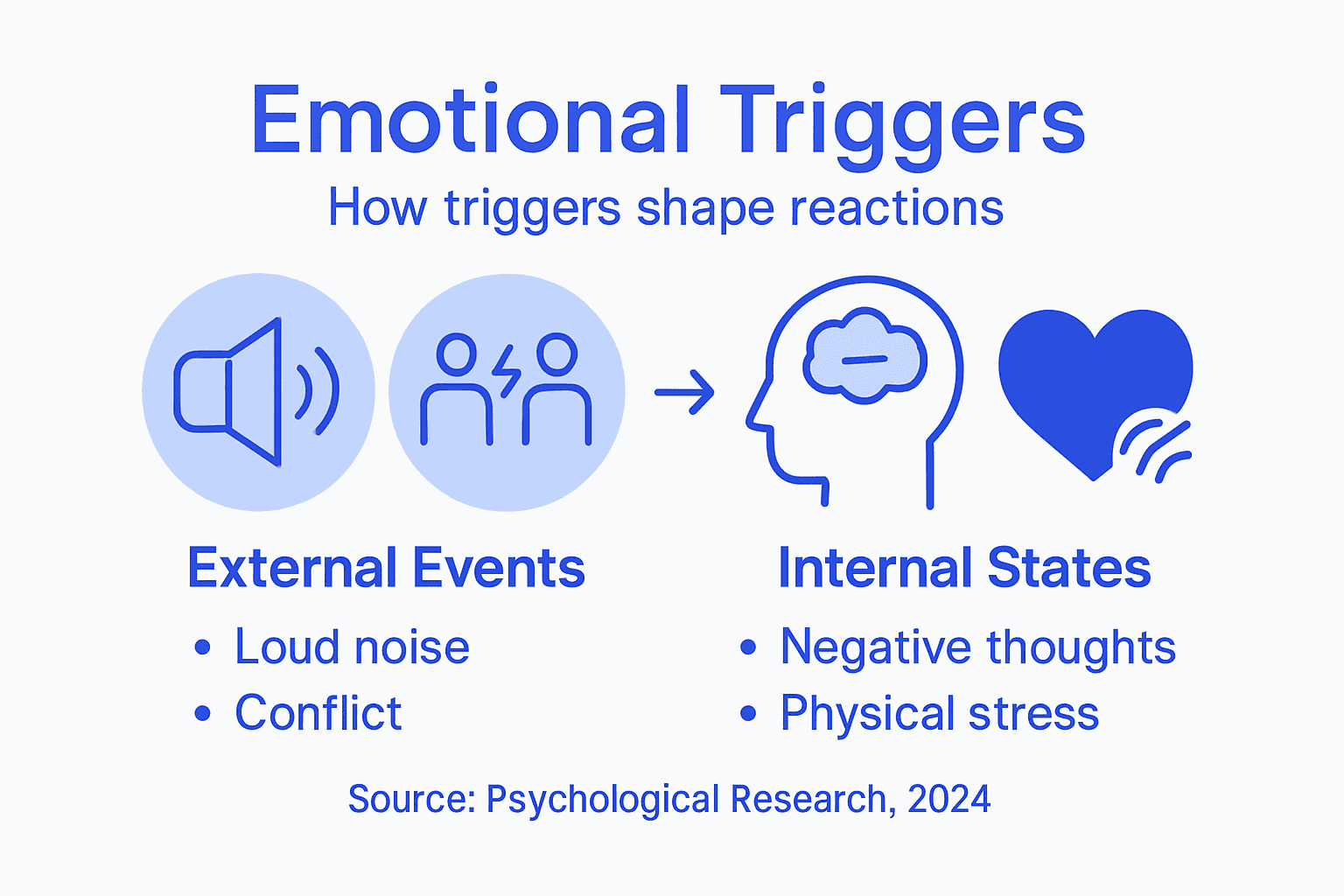
An emotional trigger is anything—a word, a tone of voice, a facial expression, or a specific situation—that sparks a disproportionate emotional reaction. These reactions are rarely about the present moment alone. Instead, they serve as a bridge to past experiences, unhealed wounds, or deep-seated fears.
Unresolved Past Wounds
Human beings are meaning-making machines. When a current situation mirrors a past trauma, rejection, or failure, our nervous system acts as an early warning system. If you experienced abandonment in childhood, a partner arriving home late might not just be an inconvenience; it can trigger a primal panic response. This internal alarm bells rings so loudly that it demands an outward explosion, creating unnecessary drama as a defense mechanism.
The Need for Validation and Control
Sometimes, emotional dramas are fueled by an unconscious desire for control or validation. If an individual feels overlooked, powerless, or unvalued, creating a crisis can be a misguided way to force attention. When everyone is focused on the immediate conflict, the person staging or escalating the drama temporarily feels seen and significant, even if the dynamic is ultimately toxic.
Common Catalysts for High-Drama Cycles
While internal triggers set the stage, certain external environments and communication habits act as gasoline on the fire. Recognizing these patterns helps explain why drama follows certain people or relationships wherever they go.

- Poor Emotional Regulation: Difficulty identifying and sitting with uncomfortable feelings leads to immediate externalization.
- Chronic Stress and Fatigue: When the brain's prefrontal cortex is exhausted by lack of sleep or burnout, emotional regulation plummets, making minor annoyances feel catastrophic.
- Triangulation: Pulling a third party into a two-person conflict to build alliances and validate one's perspective rather than communicating directly.
- Fear of Vulnerability: Using anger or drama as a protective shield to keep people at a safe distance when true intimacy feels too terrifying.
How to Identify Your Personal Drama Triggers
Breaking free from the drama cycle requires honest self-reflection. You cannot change what you refuse to acknowledge. To pinpoint your specific vulnerabilities, try practicing the following steps:
- Map the Escalation: Think back to a recent argument. What was the exact moment your heart rate spiked and you shifted from a calm conversation to a defensive stance? That micro-moment holds your trigger.
- Look for Themes: Do you find yourself reacting intensely to feeling disrespected, micromanaged, or ignored? Identify the core fear underlying your anger.
- Check Your Physical State: Notice if your emotional reactivity increases when you are hungry, tired, overworked, or overwhelmed. Physical depletion lowers our emotional resilience.
- Practice the Pause: Introduce a buffer of silence between a perceived provocation and your response. Even taking three deep breaths can short-circuit an automatic dramatic reaction.
Practical Strategies to Defuse Drama
Once you understand what fuels these intense episodes, you can take active steps to de-escalate situations before they spiral out of hand. Emotional maturity involves learning how to respond rather than react.
Shift from Reaction to Response
Reactions are automatic, emotional, and often regretful. Responses are intentional, measured, and goal-oriented. When you feel a dramatic confrontation brewing, ask yourself: *What is my desired outcome here? Do I want to win this fight, or do I want to resolve this issue?* Aligning your actions with a healthy outcome stops the cycle of mutual escalation.
Set Firm Emotional Boundaries
If you frequently find yourself pulled into other people's dramas, you may need to strengthen your boundaries. Learn phrases that gracefully exit high-conflict scenarios, such as, "I care about you, but I am not willing to discuss this when we are both this upset. Let's revisit this tomorrow." Refusing to play your assigned role in someone else's script is often enough to starve the drama of oxygen.
Moving Forward with Emotional Clarity
Untangling the web of emotional drama takes patience and grace. It requires looking inward with curiosity rather than judgment. By identifying your unique triggers, recognizing the unmet needs beneath explosive behaviors, and choosing conscious communication over chaos, you can cultivate healthier, calmer, and much more fulfilling relationships in every area of your life.