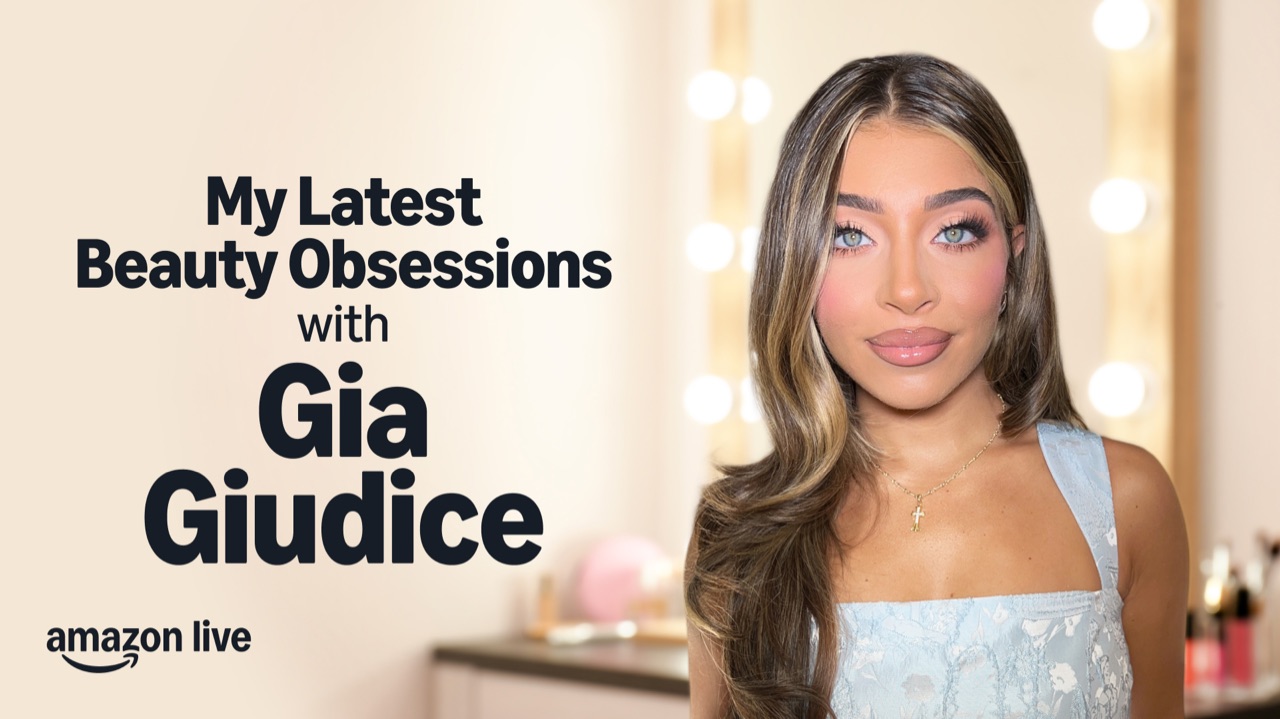
What the Gia leak really reveals about beauty’s dark underbelly
The modern beauty industry is built on a paradox. On one hand, it preaches self-love, empowerment, and inclusivity. On the other, it relies on psychological insecurity, hyper-curated perfection, and relentless consumerism to drive billions in annual revenue. Every so often, a cultural flashpoint exposes the machinery behind the curtain. The recent controversy surrounding the Gia leak has become one of those defining moments, offering consumers a rare, unfiltered look at what the Gia leak really reveals about beauty’s dark underbelly.

Far beyond standard corporate gossip or social media drama, the leaked documents and internal communications brought to light a systemic rot. They exposed how beauty standards are manufactured, how influencers are commodified, and how massive corporations manipulate consumer psychology to keep people buying solutions to problems the industry itself invented.
The Manufacturing of Insecurity
At the core of the beauty industry’s business model lies a simple truth: insecurity sells. While marketing campaigns frequently use empowering language like "glow up" or "enhance your natural beauty," internal strategies often target deep-seated anxieties regarding aging, skin texture, and body shape.
How Trends Are Engineered
The Gia leak laid bare the calculated nature of micro-trends. Rather than emerging organically from grassroots creativity, many viral aesthetics are reverse-engineered in corporate boardrooms. Brands identify emerging psychological vulnerabilities—such as pandemic-era screen fatigue or anxiety over environmental skin aging—and quickly fund product lines to capitalize on them.
- Problem Creation: Inventing niche conditions that require specialized, expensive solutions.
- Artificial Urgency: Using limited-edition drops and scarcity models to trigger FOMO (fear of missing out).
- Algorithmic Reinforcement: Coordinating with digital platforms to amplify content that triggers inadequacy.
When consumers see the reality behind these curated campaigns, the illusion of effortless beauty shatters. It becomes clear that the goal is not to foster confidence, but to maintain a perpetual cycle of consumption where no one ever feels quite finished.
The Commodification of Authenticity
Influencer culture promised a democratization of beauty. Everyday people sharing honest reviews replaced glossy magazine editors dictating trends. However, the Gia documents exposed the extent to which authenticity has been industrialized.
Video: The Sad Life of Gia Carangi: The Original Supermodel Who Died of AIDS Alone at 26

Behind-the-scenes negotiations revealed that many of the most trusted voices in skincare and makeup are bound by strict contractual clauses. These agreements often forbid negative reviews of sponsored products, mandate specific emotional reactions on camera, and require influencers to hide dermatological treatments behind the facade of topical product use.
The Toll on Digital Creators
The leak also shed light on the intense pressure placed on creators themselves. Caught between algorithmic demands and corporate gatekeepers, influencers face severe burnout. The demand for constant, flawless visibility creates a toxic work environment where mental health is routinely sacrificed for engagement metrics.
Unrealistic Standards and the Race to the Bottom
Another critical takeaway from the leak is the reckless pursuit of efficacy over safety. In a crowded marketplace, brands constantly battle for attention by promising rapid, miraculous transformations. To achieve these claims, product formulations are sometimes rushed through testing phases or pushed to maximum, potentially irritating concentrations.
Consumers are encouraged to adopt complex, 10-step routines that can compromise the skin barrier, leading to chronic sensitivity—which brands then market new products to fix. This circular dependency is a feature, not a bug, of modern skincare culture.
Moving Toward a Healthier Relationship with Beauty
The fallout from these revelations offers an opportunity for a cultural reset. As consumers become more media-literate and skeptical of corporate messaging, the demand for radical transparency is growing. True reform requires a collective shift in how we consume and create beauty content.
- Embrace Critical Consumption: Question the claims behind viral products and look for independent, science-backed reviews.
- Redefine Aesthetics: Support brands that prioritize inclusivity, realistic imagery, and sustainable practices over quick fixes.
- Prioritize Skin Health Over Perfection: Recognize that skin texture, aging, and fluctuations are normal biological processes, not flaws to be eradicated.
Ultimately, the conversation sparked by these revelations forces both brands and consumers to reckon with the true cost of perfection. By dragging the industry's hidden machinations into the light, we take the first step toward a more honest, compassionate approach to beauty.