What Time Is Sunset Today? Exact Times & Factors
If you are planning an evening walk, trying to capture the golden hour in photography, or simply rushing home before dark, you likely find yourself asking: what time is sunset today? Because the Earth is tilted on its axis and rotates around the sun, the exact moment the sun dips below the horizon is constantly changing. It depends entirely on your specific latitude, longitude, and the time of year.

While standard clock times give us a rough idea, solar mechanics dictate a much more precise schedule. In this guide, we explore how sunset times are calculated, what factors influence them, and how you can find the exact minute the sun sets wherever you are right now.
What Time Is Sunset Today and How It Is Calculated
To understand what time is sunset today, it helps to look at how astronomers and meteorologists track solar movement. Sunset is officially defined as the moment the upper edge of the sun's disk disappears below the western horizon. However, atmospheric refraction—the bending of light through Earth's atmosphere—actually makes us see the sun for a few minutes after it has physically dropped below the horizon.
Several geographic and temporal variables dictate your local sunset schedule:
- Latitude: Your distance north or south of the equator is the biggest factor. In summer, higher latitudes experience much later sunsets, while in winter, the opposite occurs.
- Longitude: Time zones span wide geographic areas. If you live on the eastern edge of a time zone, the sun sets earlier than if you live on the western edge, even within the same state or region.
- Elevation: Standing on a mountain or a high-rise building extends your line of sight, allowing you to see the sun slightly longer than someone at sea level.
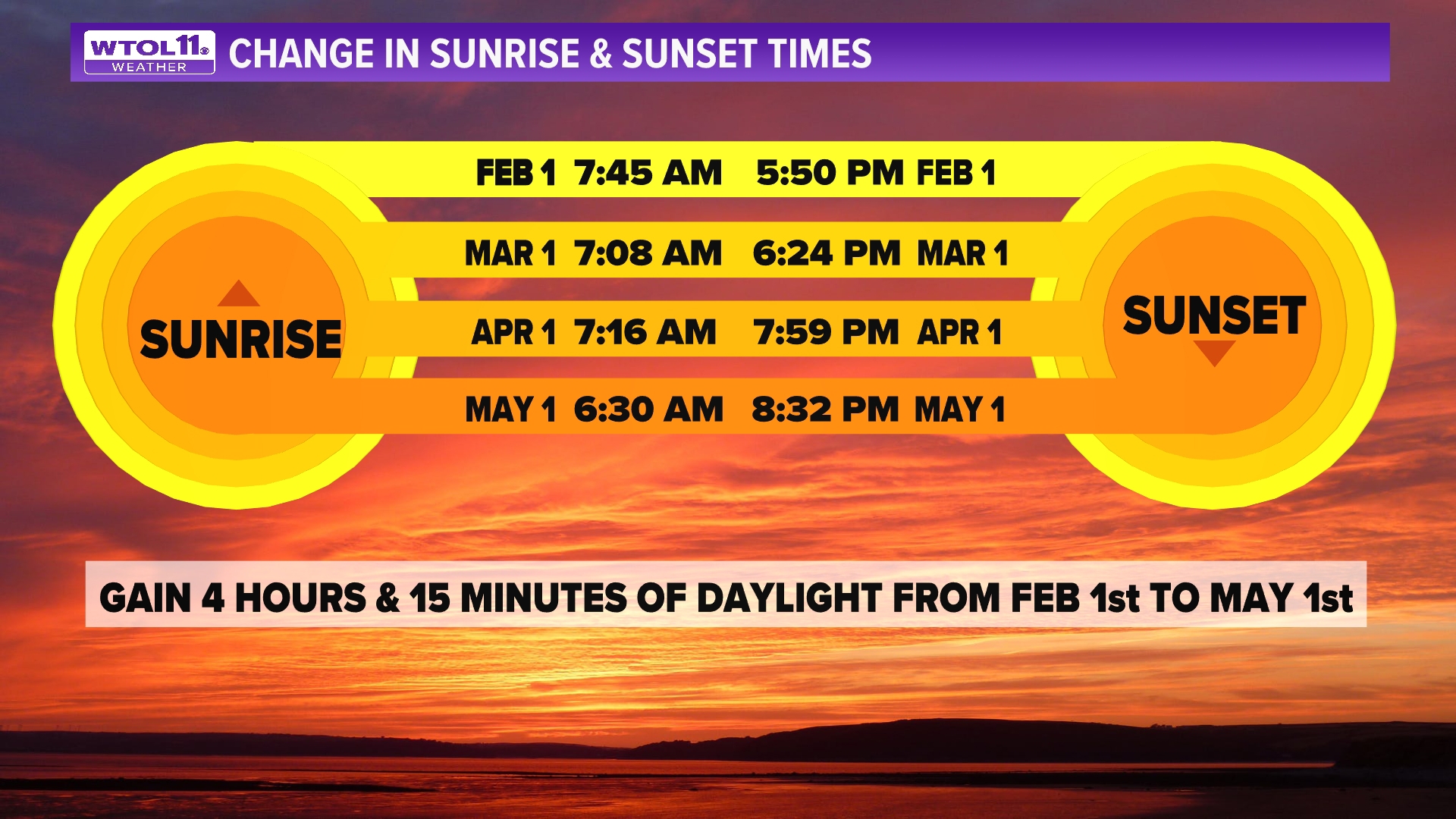
- Date of the Year: The progression of seasons shifts sunset times progressively later (in the spring and early summer) or earlier (in the late summer and fall).
Understanding the Stages of Twilight
When the sun finally disappears, darkness does not fall immediately. Instead, the sky goes through distinct phases of twilight before true night arrives. Knowing these phases helps you make the most of the lingering daylight.
1. Civil Twilight
Civil twilight begins immediately after sunset and lasts until the sun is 6 degrees below the horizon. During this period, there is still enough natural light to carry out outdoor activities without artificial illumination. Streetlights often turn on automatically near the end of civil twilight.
2. Nautical Twilight

Nautical twilight occurs when the sun is between 6 and 12 degrees below the horizon. The horizon is still discernible at sea, which historically allowed sailors to navigate using stars. Colors begin to fade from the sky, leaving deep blues and purples.
3. Astronomical Twilight
Astronomical twilight is the final stage before complete darkness, occurring when the sun is between 12 and 18 degrees below the horizon. The sky is dark enough for astronomers to observe faint nebulae and galaxies without interference from solar glare.
Why Sunset Times Change Faster During Certain Seasons
You might have noticed that sunset times shift dramatically during the spring and fall equinoxes, but change very little around the summer and winter solstices. This phenomenon is known as the analemma effect.
Near the equinoxes, the sun's path crosses the celestial equator at a steep angle relative to the horizon, meaning the horizontal shift in sunset position happens very rapidly day-to-day. Conversely, near the solstices, the sun reaches its northernmost or southernmost limits, causing the daily change in sunset time to slow down to a crawl before reversing direction entirely.
How to Find Your Exact Local Sunset
Because sunset times vary down to the exact geographical coordinate, relying on national news broadcasts or generic weather apps can sometimes leave you off by a few minutes. To get the most accurate time for your exact location, use these methods:
- Smartphone Weather Apps: Most built-in weather applications use your phone's GPS to calculate and display the exact minute of sunset for your neighborhood.
- Dedicated Astronomical Websites: Sites like Time and Date (timeanddate.com) allow you to input your city or zip code to view a comprehensive monthly calendar of sunrise, sunset, and twilight phases.
- Smart Assistants: Simply asking devices like Amazon Alexa or Google Assistant, "What time is sunset today?" uses your synced home address to provide an instant, precise answer.
By understanding the science behind solar movement and utilizing local tracking tools, you will never be caught off guard by the end of daylight again. Whether you are chasing the last rays of the golden hour or planning an evening commute, knowing the exact schedule ensures you can make the most of your day.