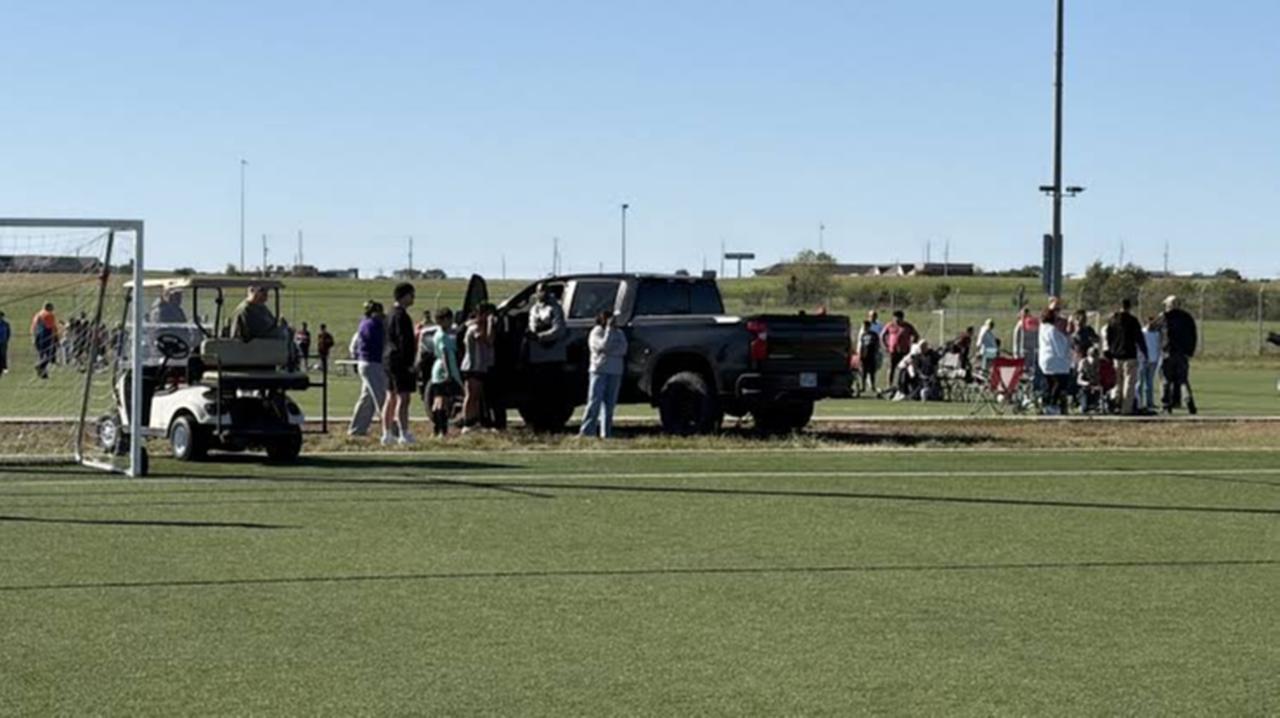
What to Do If You're Involved in a Truck Accident Today
Finding yourself or a loved one involved in a truck accident today can turn your world upside down in a matter of seconds. Because commercial trucks weigh up to 80,000 pounds, collisions involving semi-trucks, 18-wheelers, and delivery vehicles frequently result in catastrophic injuries, severe vehicle damage, and immense emotional trauma.

In the chaotic moments following a crash, knowing what to do is critical. Your immediate actions not only affect your physical recovery and safety but also dictate the strength of any future insurance claims or legal proceedings. Here is a step-by-step guide on how to handle the situation safely and effectively.
Immediate Steps at the Scene of a Truck Accident Today
If you have just been in a truck crash, your very first priority is safety. Commercial truck accidents often block major highways, creating secondary hazards for other motorists. Take a deep breath and work through the following checklist:
- Check for Injuries: Assess yourself and your passengers. If anyone is hurt, call 911 immediately to request medical personnel.
- Move to Safety: If your vehicle is operational and poses a hazard in active traffic, move it to the shoulder or median. If it cannot be moved, turn on your hazard lights and stay inside with your seatbelt fastened until help arrives.
- Call the Police: Even if the accident appears minor, always report it. A formal police report provides an objective, official record of the incident, which is vital for insurance companies and legal teams.
- Exchange Information: Collect insurance details, driver’s license numbers, commercial carrier names, and DOT numbers from the truck driver. Also, get the names and contact info of any eyewitnesses.
Gathering Evidence While Still at the Scene
Commercial trucking companies and their insurers move fast—often deploying investigators to the crash site within hours. If you are physically able and it is safe to do so, gathering your own evidence right now can make all the difference:
- Take Photographs and Videos: Capture wide shots of the entire scene, skid marks, debris fields, traffic signs, and close-ups of the damage to all vehicles. Be sure to photograph the truck's license plate and any company logos on the cab or trailer.
- Document Road and Weather Conditions: Note if it was raining, dark, or if construction zones played a role in the crash.
- Avoid Admitting Fault: Never apologize, speculate on what happened, or tell police or other drivers that you 'didn't see' the truck. Stick strictly to the facts when speaking to law enforcement.
Understanding Liability in Commercial Truck Crashes
Video: 🚛 Massive Truck vs Bike Accident 😱 | Shocking Road Accident & Ambulance Rescue! #roadaccident

Unlike standard car accidents involving two private passenger vehicles, truck accidents often involve multiple liable parties. While the truck driver might have been speeding or distracted, other entities could share the blame:
- The Trucking Company: May be liable for negligent hiring, poor training, or pushing drivers to violate federal Hours of Service regulations.
- Cargo Loaders: If improper cargo securement caused the load to shift or spill, the loading company could be at fault.
- Maintenance Providers: Third-party mechanics who failed to properly service brakes, tires, or steering columns may share responsibility.
- Truck or Parts Manufacturers: Defective equipment, such as faulty braking systems, can point back to the manufacturer.
Protecting Your Rights After the Dust Settles
In the days following the incident, you will likely receive calls from insurance adjusters representing the trucking company. Their primary goal is to minimize payout amounts or get you to accept a quick, lowball settlement before you realize the true extent of your injuries.
Protect yourself by refusing to give recorded statements without legal representation. Many injuries—such as traumatic brain injuries, whiplash, and internal organ damage—may not present symptoms immediately. Always seek a thorough medical evaluation within 24 hours of the crash to create a documented medical link between the accident and your injuries.
Consulting a Qualified Truck Accident Attorney
Navigating federal trucking regulations, black box data recovery, and aggressive corporate legal teams is nearly impossible alone. If you are dealing with the aftermath of a truck accident today, consult with an experienced personal injury attorney who specializes in commercial vehicle litigation. Most offer free initial consultations and work on a contingency fee basis, meaning you pay nothing unless they recover compensation on your behalf. Act quickly to preserve vital evidence before it is legally destroyed or lost.