What to Expect From a 30 Day Forecast
Understanding the 30 Day Forecast
When planning a major event, a vacation, or simply trying to manage a seasonal business, looking ahead is essential. This is where a 30 day forecast comes into play. While standard 7-day weather predictions give you a clear picture of incoming rain or sunshine, extending that outlook to a full month requires a completely different approach to meteorology.
Long-range forecasting is not about telling you whether it will rain precisely at 2:00 PM on the 24th of the month. Instead, it provides a broad statistical overview of expected temperature and precipitation trends. Understanding how to read these extended outlooks helps you make informed decisions without falling victim to inaccurate day-to-day expectations.
How Meteorologists Predict the Weather a Month Out
Creating a reliable 30 day forecast requires massive computing power, historical climate data, and real-time atmospheric observations. Meteorologists do not look at individual storm systems when forecasting this far in advance. Instead, they analyze large-scale patterns that govern global weather.
The Role of Computer Models
Advanced supercomputers run complex numerical weather prediction models, such as the Global Forecast System (GFS) and the European Centre for Medium-Range Weather Forecasts (ECMWF) ensemble systems. These models simulate the physics of the atmosphere multiple times with slightly different initial conditions. The resulting agreement or disagreement among the model runs gives forecasters an idea of confidence.
Key Climatic Drivers
To look beyond two weeks, forecasters rely heavily on established climate oscillations and ocean temperatures. Major drivers include:
- El Niño-Southern Oscillation (ENSO): Sea surface temperature fluctuations in the equatorial Pacific that heavily influence global winter and summer patterns.
- Madden-Julian Oscillation (MJO): A massive eastward-moving disturbance of clouds, rainfall, and winds that circles the globe in the tropics every 30 to 60 days.
- Jet Stream Position: Identifying whether the polar jet stream will remain locked in place or shift northward or southward over a continent.
Interpreting Temperature and Precipitation Trends
Video: Next 30 Days Weather System Map 18 October 2026 Update Bay Of Bangal Cyclone Storm.

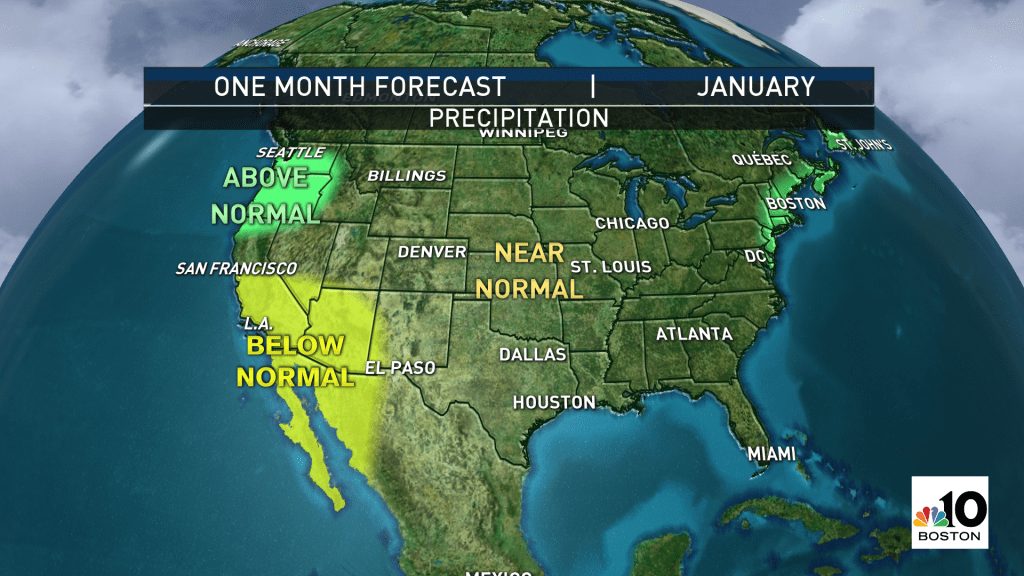
When you pull up a 30 day forecast on a weather app or government meteorological site, you will rarely see exact high and low temperatures for every single day. Instead, data is typically presented in terms of probability.
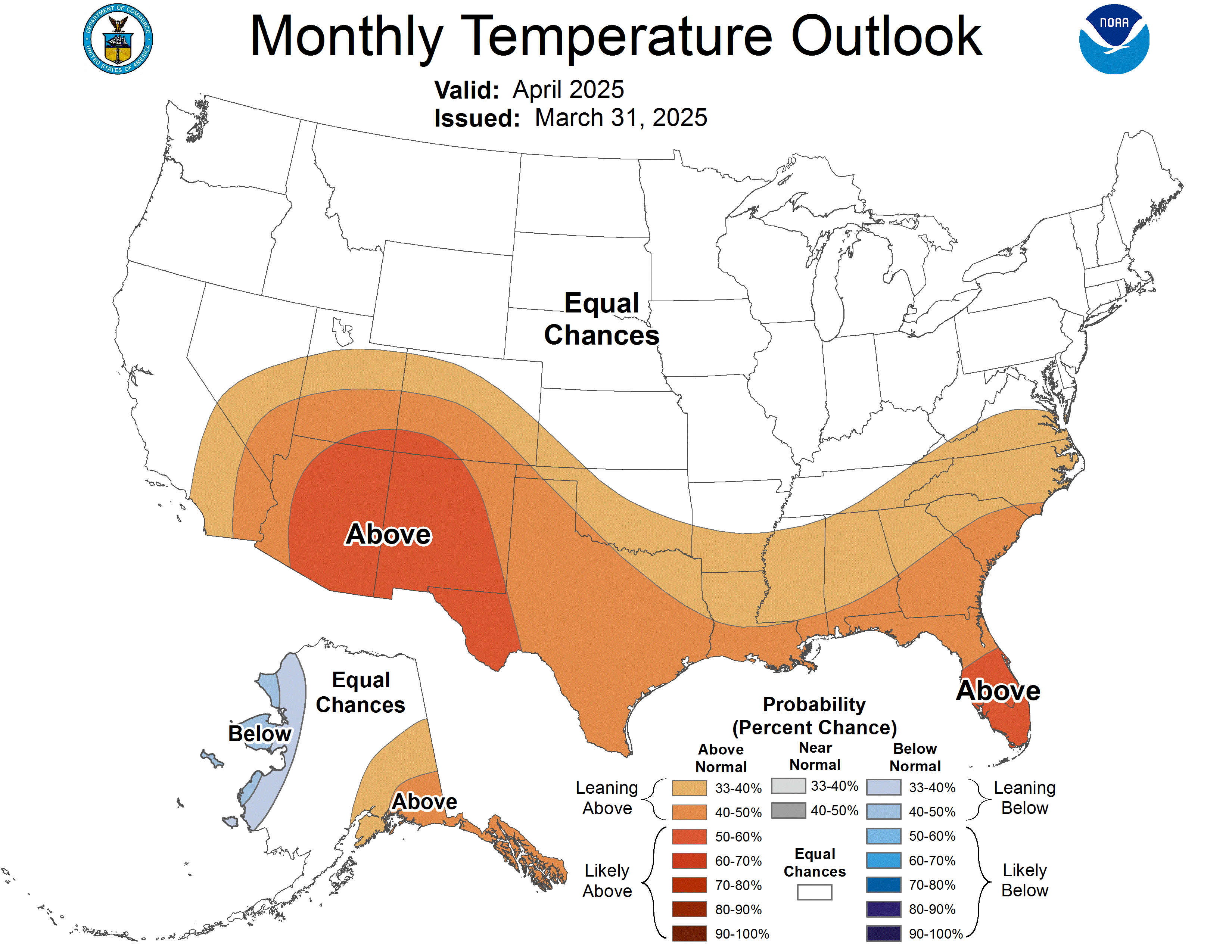
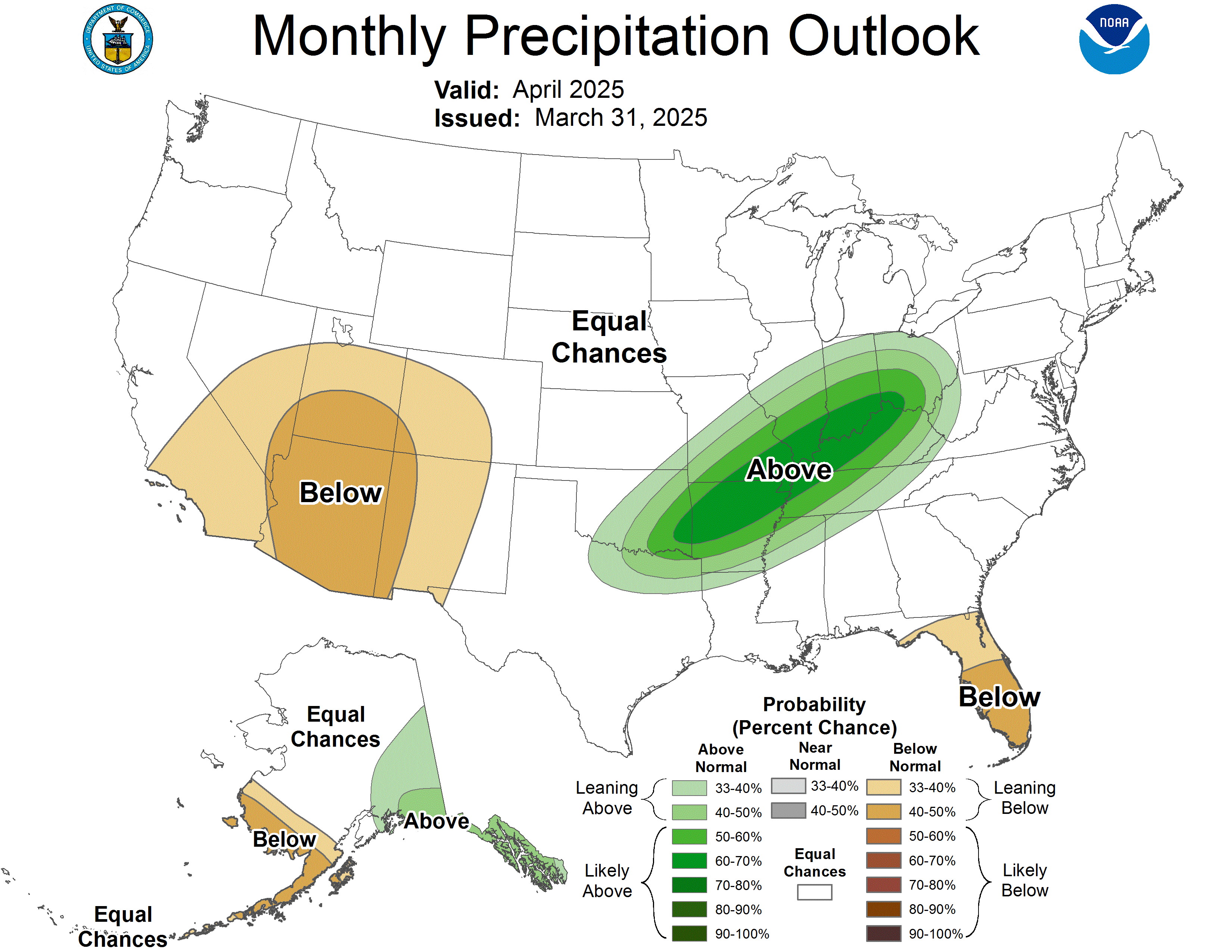
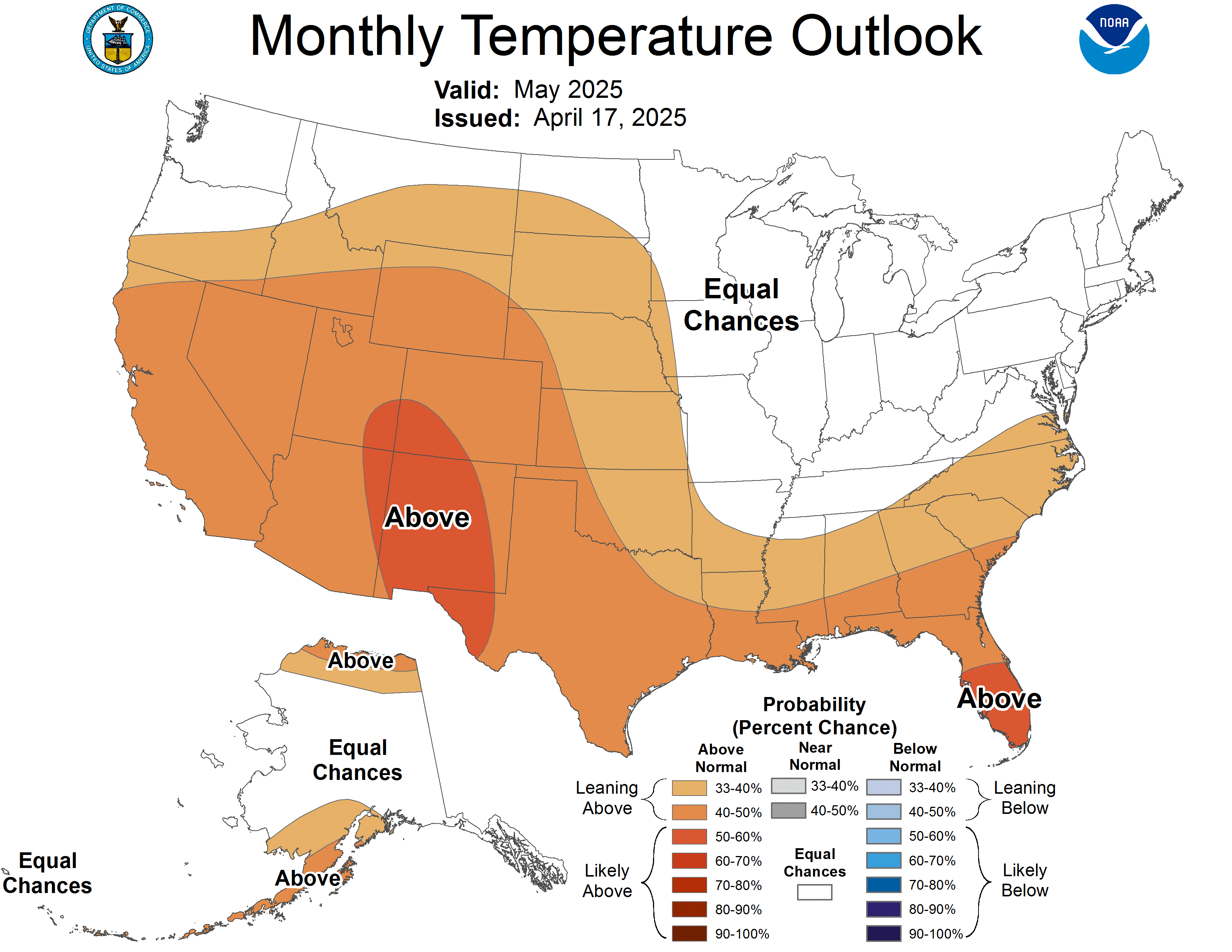
Most long-range outlooks, such as those provided by the Climate Prediction Center (CPC), use anomaly maps. These maps show whether a region is likely to experience conditions that are "above normal," "near normal," or "below normal" compared to historical averages for that specific time of year.
For example, if a region has a 60% probability of above-normal temperatures, it does not mean every day will be sweltering. It simply indicates that warm days will likely outnumber or outweigh cool days over the course of the month, resulting in a warmer-than-average monthly mean.
Limitations of Long-Range Forecasting
It is important to maintain realistic expectations when utilizing extended weather data. The atmosphere is a chaotic system, meaning tiny, unmeasurable variables can compound over time and alter outcomes completely—a concept known as the butterfly effect.
Predictability drops off sharply after about 10 to 14 days. While a 30 day forecast is brilliant for spotting broad climate shifts, sudden cold snaps, severe thunderstorms, or flash droughts often cannot be pinned down accurately until a few days before they occur.
Tips for Using a 30 Day Forecast Effectively
Despite their limitations, long-range outlooks are valuable planning tools if used correctly. Follow these best practices to get the most out of monthly weather data:
- Look for Trends, Not Specifics: Use the forecast to understand if the month leans wet, dry, warm, or cold, rather than relying on it to pick a single outdoor wedding date.
- Check Regularly: Weather models update constantly. A monthly outlook issued on the first of the month will look different by the tenth as new atmospheric data is ingested.
- Cross-Reference Sources: Compare data from official meteorological agencies with commercial providers to see where forecasters agree on broader climate signals.
- Have a Backup Plan: Because long-range accuracy decreases the further out you go, always build contingency plans for weather-sensitive activities.
Conclusion
A 30 day forecast bridges the gap between daily weather tracking and long-term climate monitoring. While it cannot replace the precision of a short-range forecast, it provides vital insights into upcoming temperature and precipitation trends. By understanding how these forecasts are generated and focusing on probabilities rather than guarantees, you can effectively navigate your planning regardless of what Mother Nature has in store.