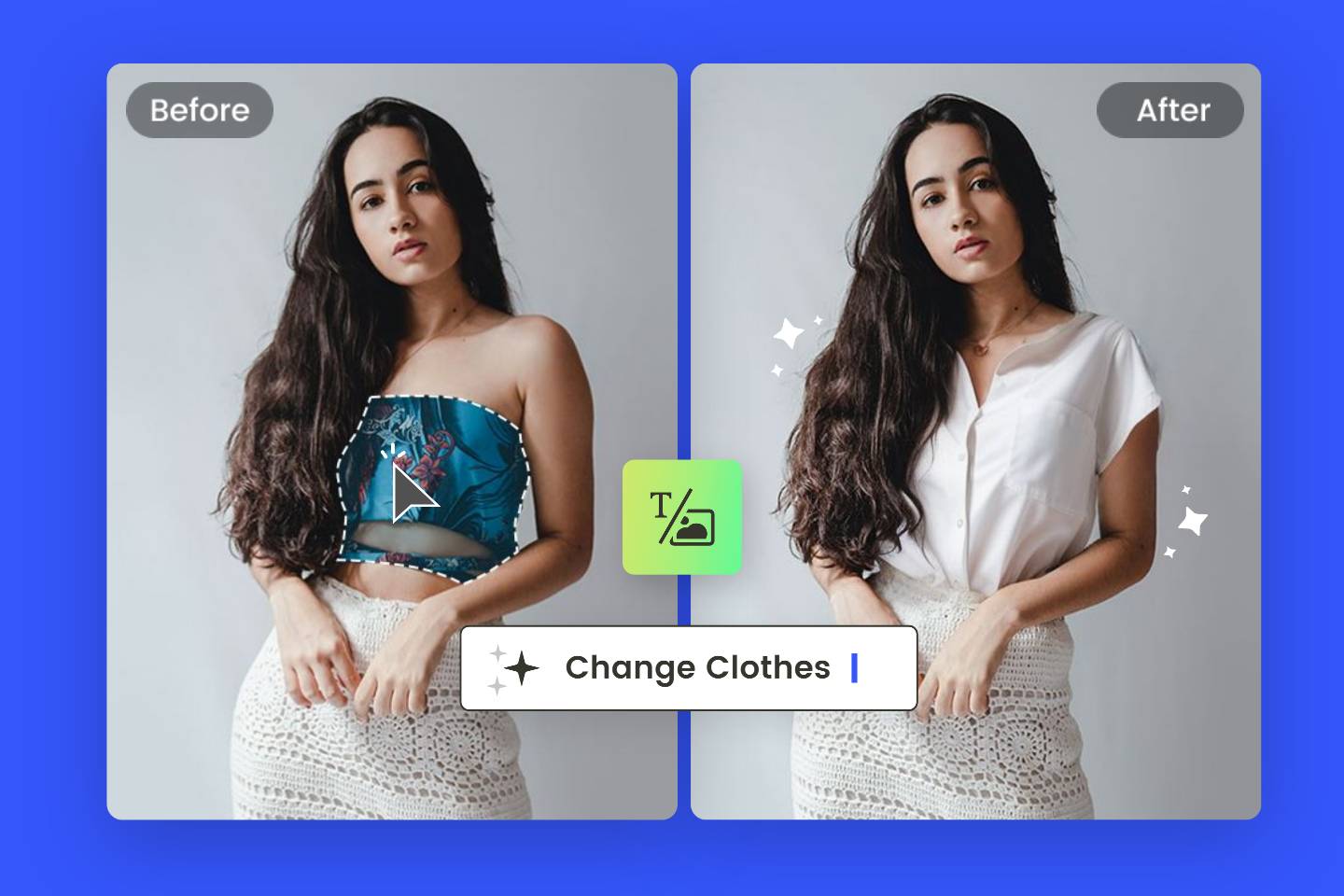
What You Need to Know About Clothoff Technology
Understanding the Clothoff Phenomenon

Over the last few years, advancements in generative artificial intelligence have made it remarkably easy to manipulate digital media. One of the most controversial trends to emerge from this technological leap is the development of deepfake undressing tools, frequently searched and categorized under terms like clothoff. These applications and software programs use neural networks to digitally remove clothing from photographs of people, generating hyper-realistic synthetic imagery without the consent of the subject.
While the technology behind image generation continues to evolve at a rapid pace, the ethical, legal, and personal implications have sparked global concern. For everyday internet users, understanding what these tools are, how they operate, and the risks they pose is vital for navigating modern digital spaces safely.
How Clothoff AI Technology Works
At its core, the technology driving these applications relies on deep learning architectures known as Generative Adversarial Networks (GANs). Understanding the mechanics helps demystify how these tools function and why the resulting images can look so convincing.
The Role of Generative Adversarial Networks
A GAN consists of two competing neural networks: a generator and a discriminator. The generator creates new data—in this case, synthetic body parts and skin textures—while the discriminator evaluates the generated output against real images to spot flaws. Through thousands of iterations, the generator learns to produce increasingly realistic images that can fool both the discriminator and the human eye.
Training Data and Inpainting
To reconstruct what lies beneath a person's clothing, the software uses advanced inpainting techniques. The algorithm analyzes the visible parts of a person, such as their face, hands, and posture, and matches them with vast datasets of human anatomy. It then fills in the obscured areas. Because the AI relies heavily on patterns learned from training data, the outputs are entirely synthetic fabrications rather than an accurate depiction of reality.
Video: clothoff.io

The Major Risks and Consequences
The proliferation of accessible deepfake tools has introduced severe risks to digital privacy and personal safety. The impact of non-consensual synthetic imagery extends far beyond digital manipulation.
- Non-Consensual Intimate Imagery (NCII): The vast majority of these tools are used to create explicit content of real people without their permission, including celebrities, public figures, and private citizens.
- Harassment and Blackmail: Malicious actors frequently use these applications to bully, harass, or extort victims, threatening to share fabricated images publicly.
- Reputational Damage: Even though the images are fake, victims often suffer professional, social, and psychological fallout due to the stigma associated with explicit media.
- Erosion of Trust: As synthetic media becomes indistinguishable from reality, public trust in digital photographs and videos diminishes rapidly.
- United States: Several states have enacted specific criminal statutes outlawing the creation and distribution of non-consensual deepfake pornography. Federal proposals, such as the DEFIANCE Act, aim to create a civil cause of action for victims.
- European Union: The EU's Artificial Intelligence Act imposes strict transparency requirements and prohibits certain uses of biometric categorization and manipulative AI systems.
- Global Enforcement: Law enforcement agencies are increasingly treating the generation of non-consensual intimate imagery as a severe offense, carrying heavy fines and prison sentences.
- Audit Your Social Media Privacy: Lock down your profiles on platforms like Instagram, Facebook, and LinkedIn. Limit access to your photo galleries to approved friends and connections only.
- Watermark Your Photos: Use subtle digital watermarks on public-facing professional or creative photos to make unauthorized manipulation and extraction more difficult.
- Monitor Your Digital Identity: Periodically search your name and reverse-image search your profile pictures to check if your likeness is being misused across the web.
- Educate Your Community: Raise awareness among friends, family, and younger generations about the realities and dangers of synthetic media manipulation.
Legal Landscapes and Regulation
Governments and lawmakers worldwide are scrambling to adapt existing legal frameworks to address the challenges posed by deepfake technology and apps associated with the clothoff keyword. Legislation varies significantly by region:
How to Protect Your Digital Footprint
Because AI tools can potentially utilize any photograph found online, proactive digital hygiene is more important than ever. While it is difficult to guarantee complete protection, you can significantly reduce your risk profile by following best practices:
Conclusion
The emergence of tools linked to the clothoff trend highlights the darker side of rapid artificial intelligence development. While the technology showcases impressive feats of machine learning, its application in non-consensual image generation poses profound ethical and legal dilemmas. By staying informed about how these technologies operate, supporting robust legislative measures, and practicing rigorous digital hygiene, individuals can better protect their privacy in an increasingly complex digital world.