What Your Age Means for Forbes’ Forecasted Net Worth Growth
When financial analysts look at wealth accumulation, one factor stands out above almost all others: time. Publications like Forbes regularly analyze macroeconomic trends, wage growth, and investment returns to project how personal fortunes evolve over a lifetime. Understanding what your age means for Forbes’ forecasted net worth growth helps you benchmark your financial progress, adjust your savings strategy, and prepare for the unique economic milestones ahead of you.

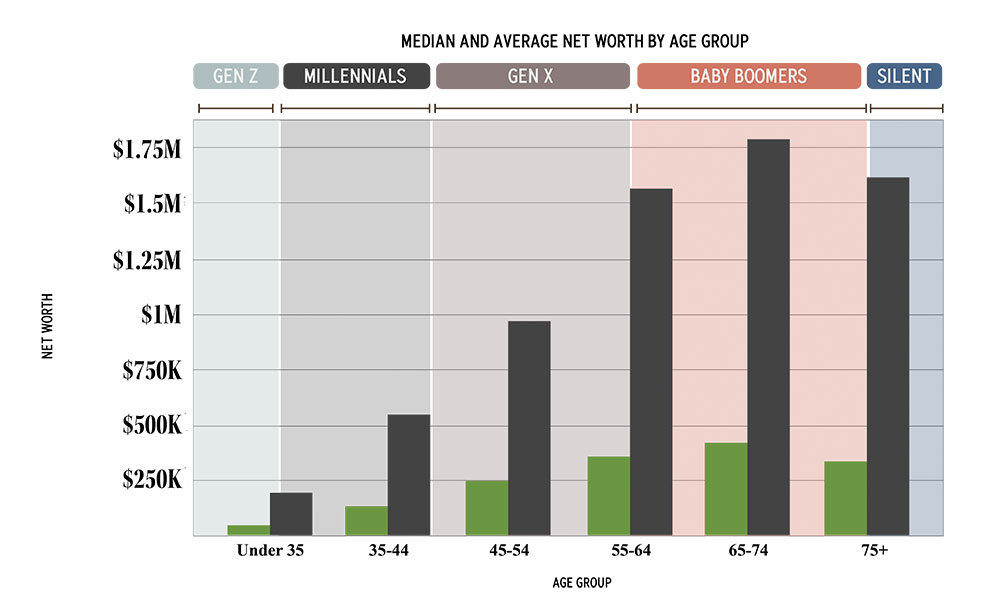
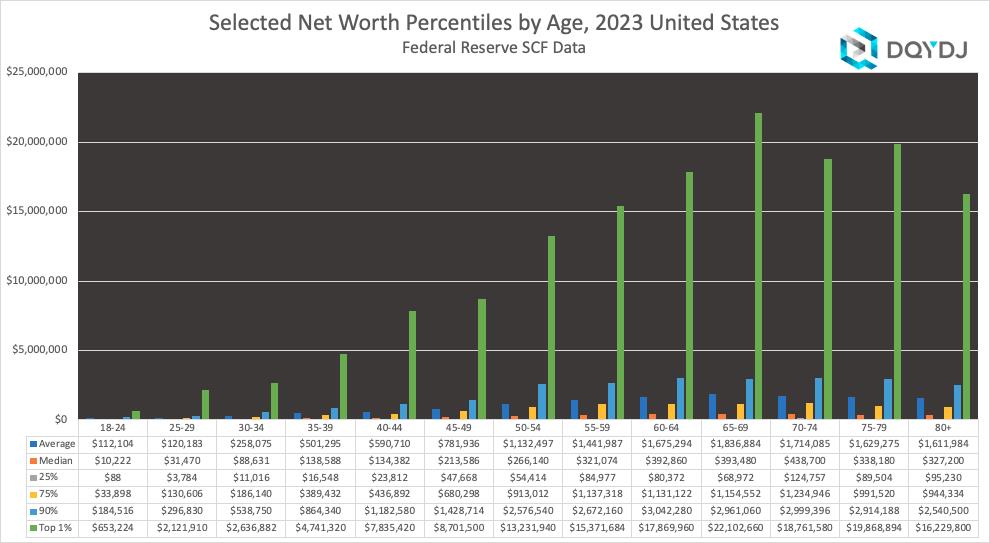
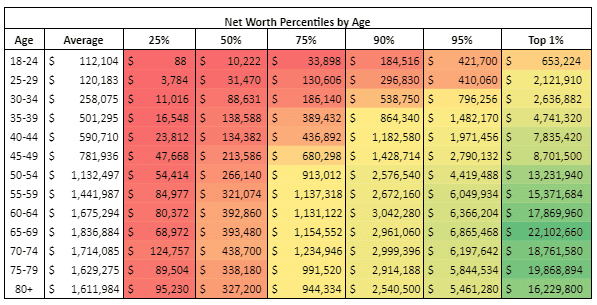
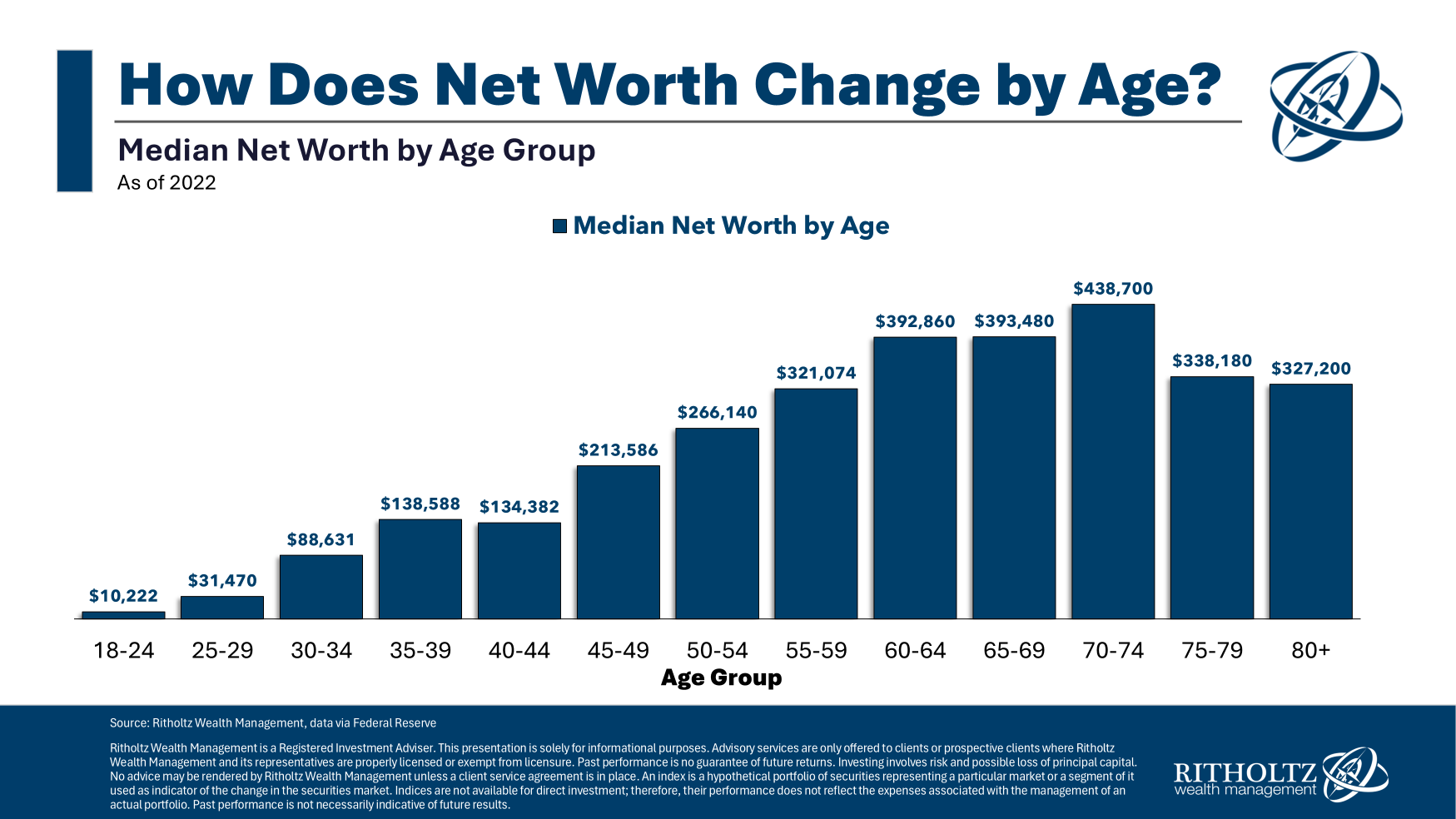
Wealth building is rarely a straight line. It tends to follow an S-curve, starting slowly in early adulthood, accelerating rapidly during peak earning years, and stabilizing or shifting into preservation mode during retirement. By examining these life stages through the lens of modern economic forecasts, you can better understand where you stand and what adjustments you might need to make.
The Early Accumulation Phase: Ages 20 to 35
For young adults just entering the workforce, net worth growth projections often look modest on paper. During this decade, income is typically at its lowest point, while major expenses—such as student loans, rent, and entry-level living costs—consume a large percentage of cash flow. However, financial forecasters emphasize that this period is fundamentally about laying the groundwork rather than accumulating massive balances.
The Power of Compounding Time
The single greatest financial asset a 25-year-old possesses is not their current salary; it is the sheer length of their investment timeline. According to wealth tracking models, every dollar invested in your twenties has decades to compound before retirement.
- Debt Management: Balancing high-interest debt repayment with early retirement contributions is critical during these years.
- Emergency Reserves: Building a three-to-six-month safety net prevents minor setbacks from derailing long-term investment goals.
- vHabit Formation: Automating savings ensures that wealth growth happens in the background, regardless of lifestyle inflation.
The Acceleration Phase: Ages 36 to 50
As professionals transition into their late thirties and forties, Forbes’ growth models typically show a sharp upward trajectory. This is the era of peak career progression, where promotions, specialized expertise, and business ventures begin to yield significant financial dividends. However, it is also a time of maximum financial responsibility.
Balancing Peak Earnings with Major Expenses
During these mid-career years, individuals often face a convergence of heavy expenses: purchasing family homes, funding children’s education, and supporting aging parents. Despite these pressures, your net worth should be growing faster than at any previous time in your life.
To align with aggressive net worth growth forecasts, mid-career earners must aggressively avoid lifestyle creep. When a raise or bonus occurs, increasing the savings rate proportionally—rather than upgrading cars or housing—drives exponential leaps in overall wealth.
The Consolidation and Peak Phase: Ages 51 to 65
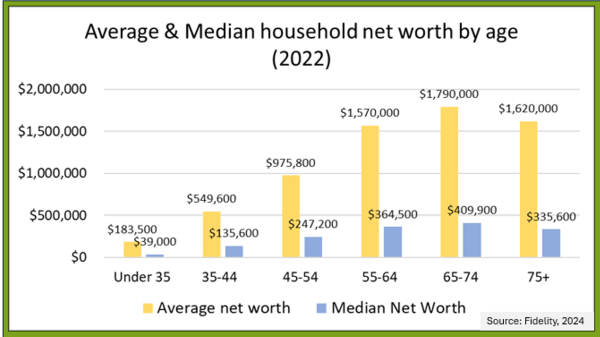
Entering the fifties and early sixties represents the wealth consolidation phase. Income is typically at its absolute highest, and major legacy debts, such as mortgages, are often nearing completion. Net worth growth forecasts during this period shift focus from aggressive risk-taking to capital preservation and tax-efficient withdrawal strategies.
Maximizing Retirement Contributions
Government provisions and catch-up contributions become powerful tools during this decade. Maximizing employer-sponsored plans, backdoor Roth IRAs, and health savings accounts (HSAs) allows high earners to shield significant portions of their income from taxes while cementing their long-term financial security.
Risk management also takes center stage. A severe market downturn during your late fifties can severely disrupt retirement timelines, making asset allocation adjustments vital as you approach traditional retirement age.
The Preservation and Distribution Phase: Age 65 and Beyond
Post-retirement wealth projections look very different from working-age forecasts. At this stage, the primary goal transitions from growing a balance sheet to generating sustainable income and managing estate planning. Forbes’ data on retirees highlights that wealth can continue to grow even in retirement, provided that investment portfolios are diversified and withdrawal rates are carefully managed.
Key Strategies for Later-Life Wealth Management
- Strategic Withdrawals: Drawing from taxable, tax-deferred, and tax-free accounts in a specific order minimizes lifetime tax liabilities.
- Healthcare Planning: Factoring long-term care insurance and medical costs into your net worth calculations prevents unexpected medical bills from eroding your estate.
- Legacy and Estate Goals: Structuring trusts, wills, and charitable giving ensures that accumulated wealth transfers efficiently to the next generation or chosen causes.
How to Beat the Forecasts Regardless of Age
While demographic data and economic forecasts provide a helpful baseline, they are merely averages. Your personal trajectory does not have to conform to national statistics. Whether you are starting late or looking to accelerate your path to financial independence, specific actions can help you outperform standard net worth projections.
First, focus relentlessly on increasing your human capital. Investing in new skills, negotiating salary increases, or building secondary streams of income can radically shift your earning potential at any age. Second, keep your savings rate high relative to your income. Wealth is ultimately determined by what you keep, not just what you earn.
By understanding what your age means for Forbes’ forecasted net worth growth, you gain a realistic roadmap for your financial journey. Use these milestones not as rigid rules, but as dynamic guideposts to measure your progress, optimize your investments, and build lasting financial security.