When A Zillionaire's Wealth Beats Nations
We live in an era of staggering economic extremes. Over the past decade, the rapid expansion of global technology markets, venture capital, and consolidated corporate monopolies has minted fortunes previously thought impossible. Today, when you hear headlines proclaiming “You’re Gasping—This Zillionaire’s Wealth Is Worth More Than Most Countries!”, it is rarely hyperbole. It is a mathematical reality.

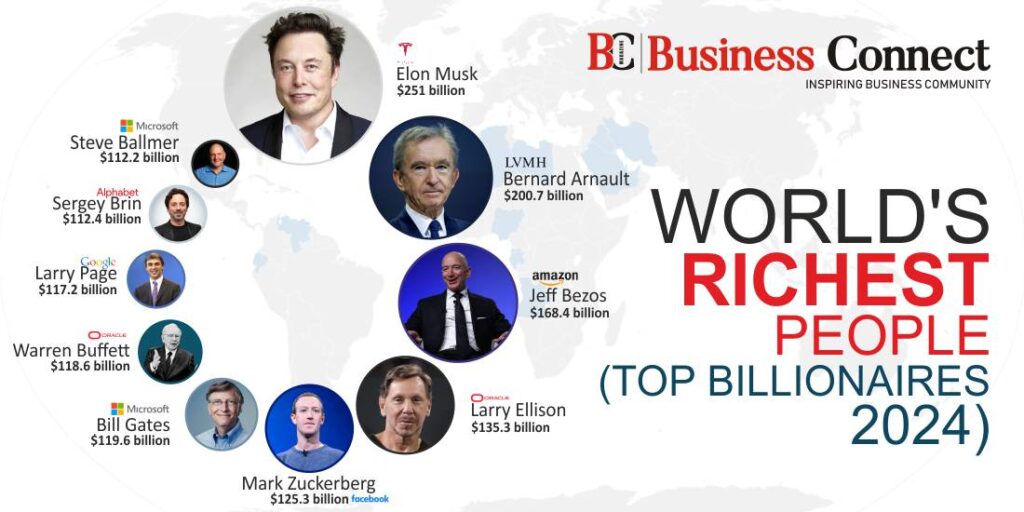
Individual net worths have crossed the $200 billion and even $300 billion thresholds. To put that into perspective, the wealthiest individuals on Earth possess liquid assets, stock options, and real estate holdings that outstrip the total annual economic output of over 100 sovereign nations. How did we get here, and what does it actually mean when one person controls resources comparable to a small country?
The Anatomy of Modern Super-Wealth
To understand how a single individual can accumulate more wealth than a nation-state, we have to look past traditional business models. Historically, great fortunes were built on heavy industry, steel, oil, or retail—sectors requiring vast workforces, physical infrastructure, and heavy capital expenditure. Today's hyper-wealth is driven by scalable digital platforms.
Tech founders and platform owners benefit from network effects. Once a digital infrastructure is built, scaling it to serve an extra billion users costs a fraction of building a billion physical cars or drilling a million new oil wells. Consequently, profit margins soar, equity valuations explode, and founders who retain massive stakes in their companies watch their net worths compound at unprecedented rates.
Comparing Billionaires to Global GDPs
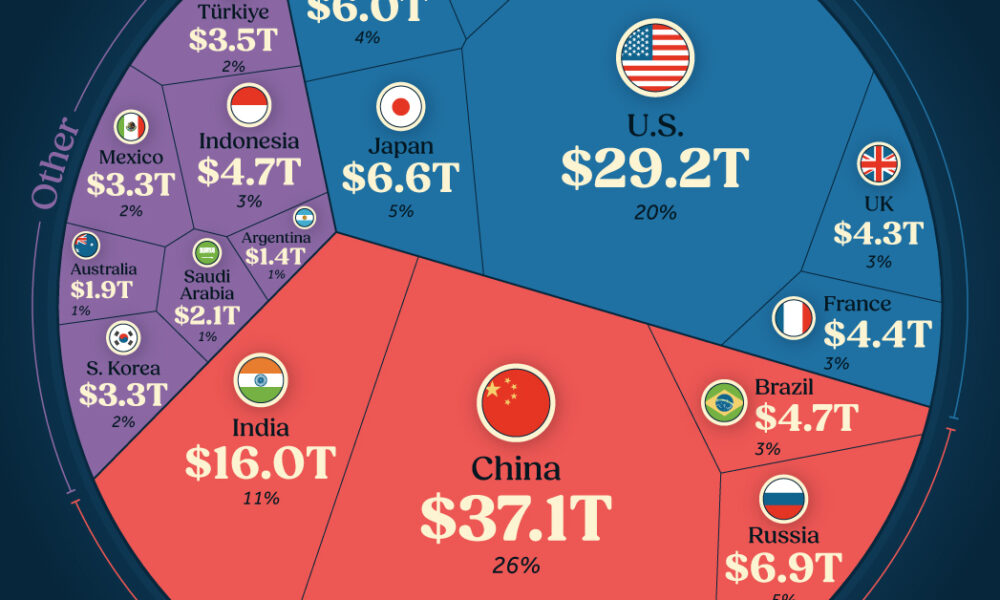
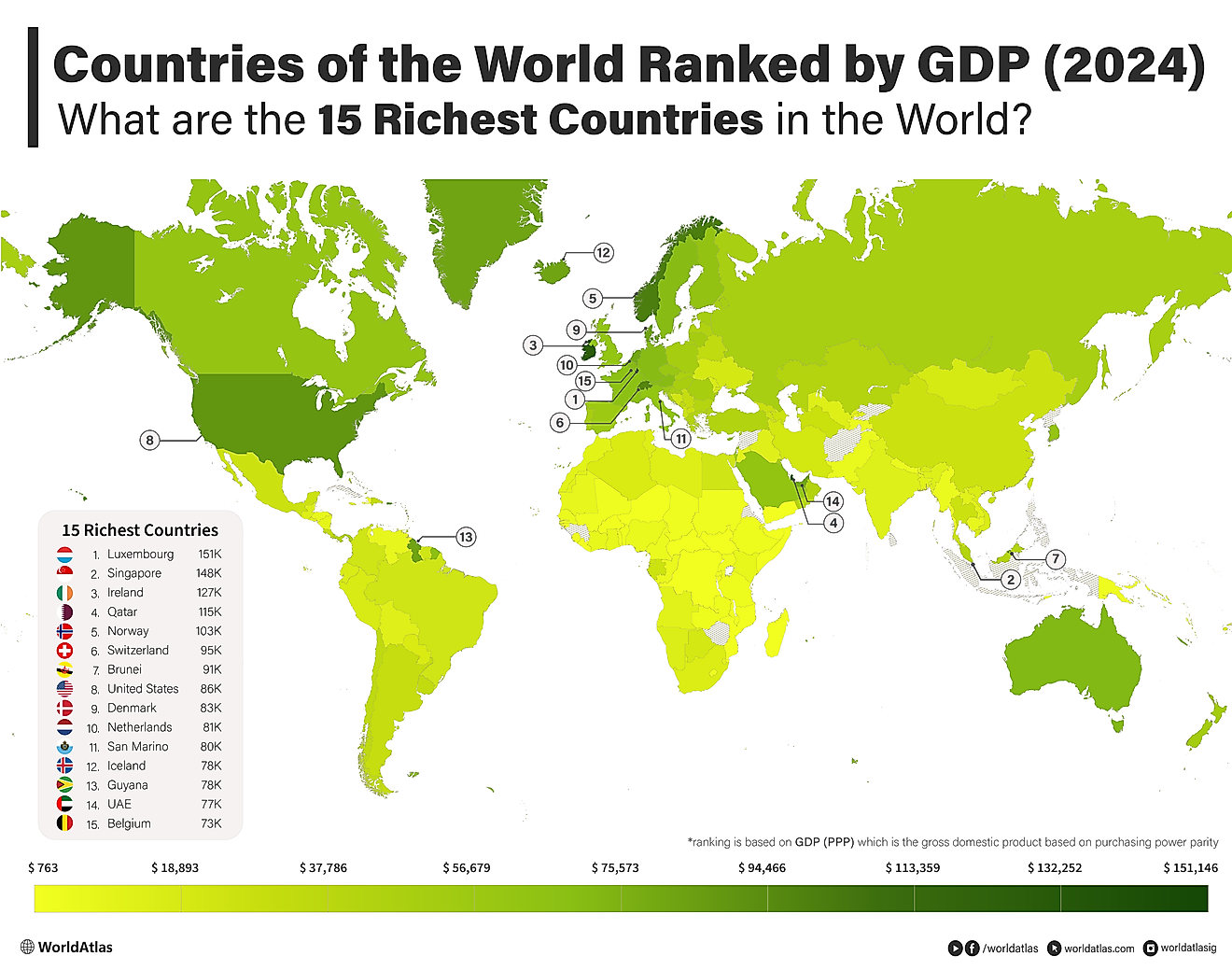
When economists compare a billionaire's net worth to a country's Gross Domestic Product (GDP), they are technically comparing a stock (total accumulated value) to a flow (annual economic production). Even with that distinction, the comparisons are eye-opening. For instance:
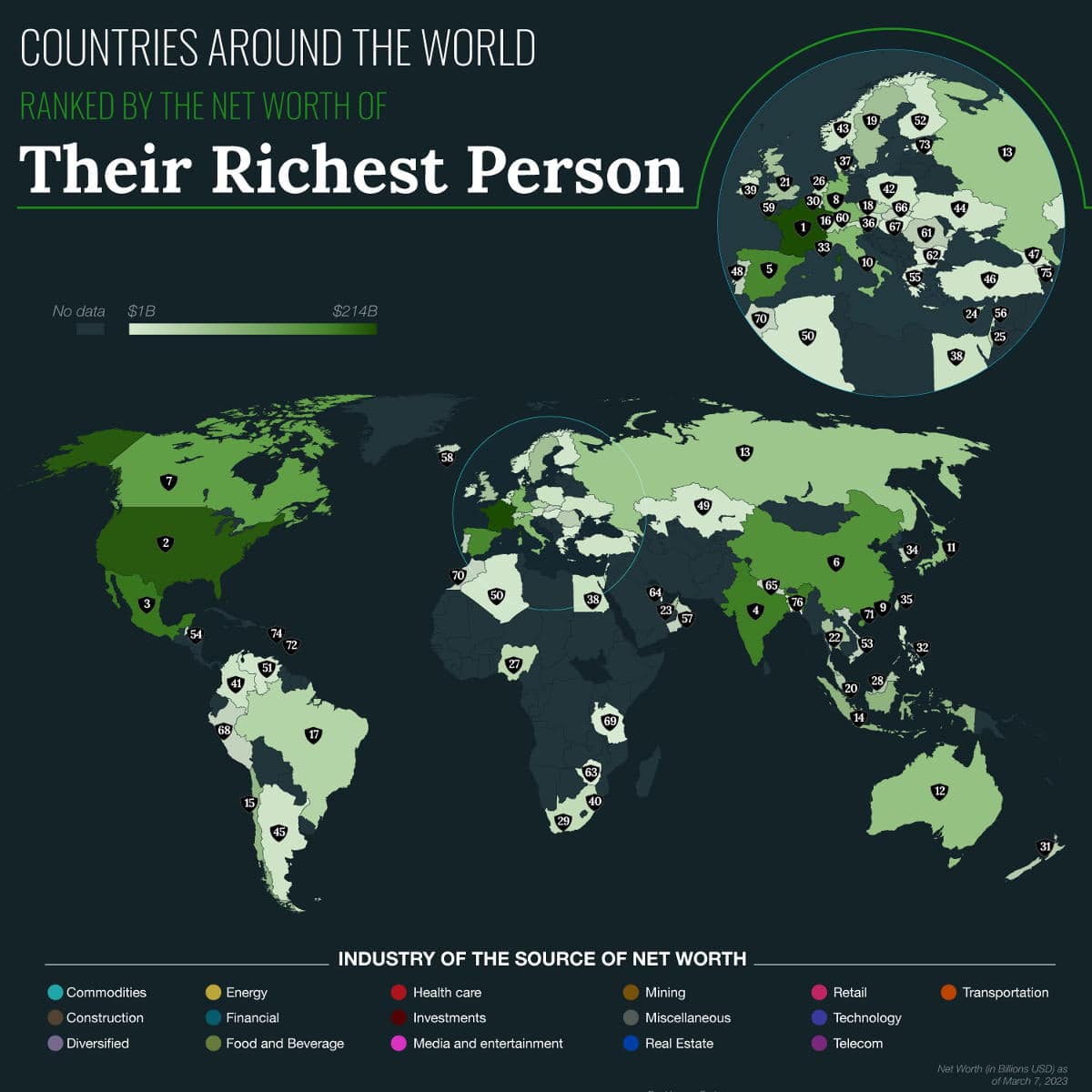
- Many individual billionaires possess net worths exceeding the annual GDP of nations like Honduras, Iceland, Nepal, or Mozambique.
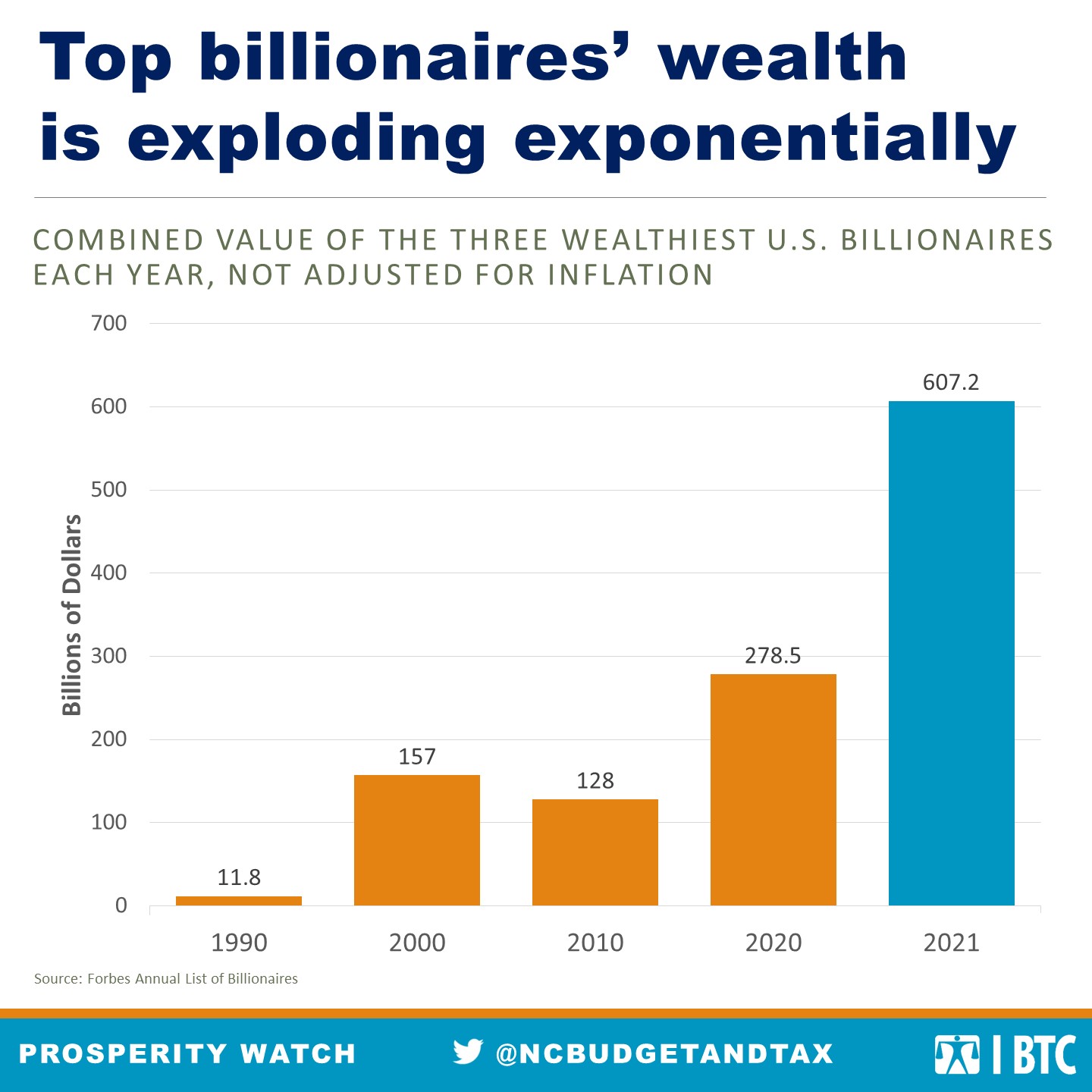
- The top three wealthiest people in the world command a combined net worth that surpasses the GDP of entire mid-sized European economies.
- Individual corporate valuations often eclipse the stock market capitalization of entire developing countries.
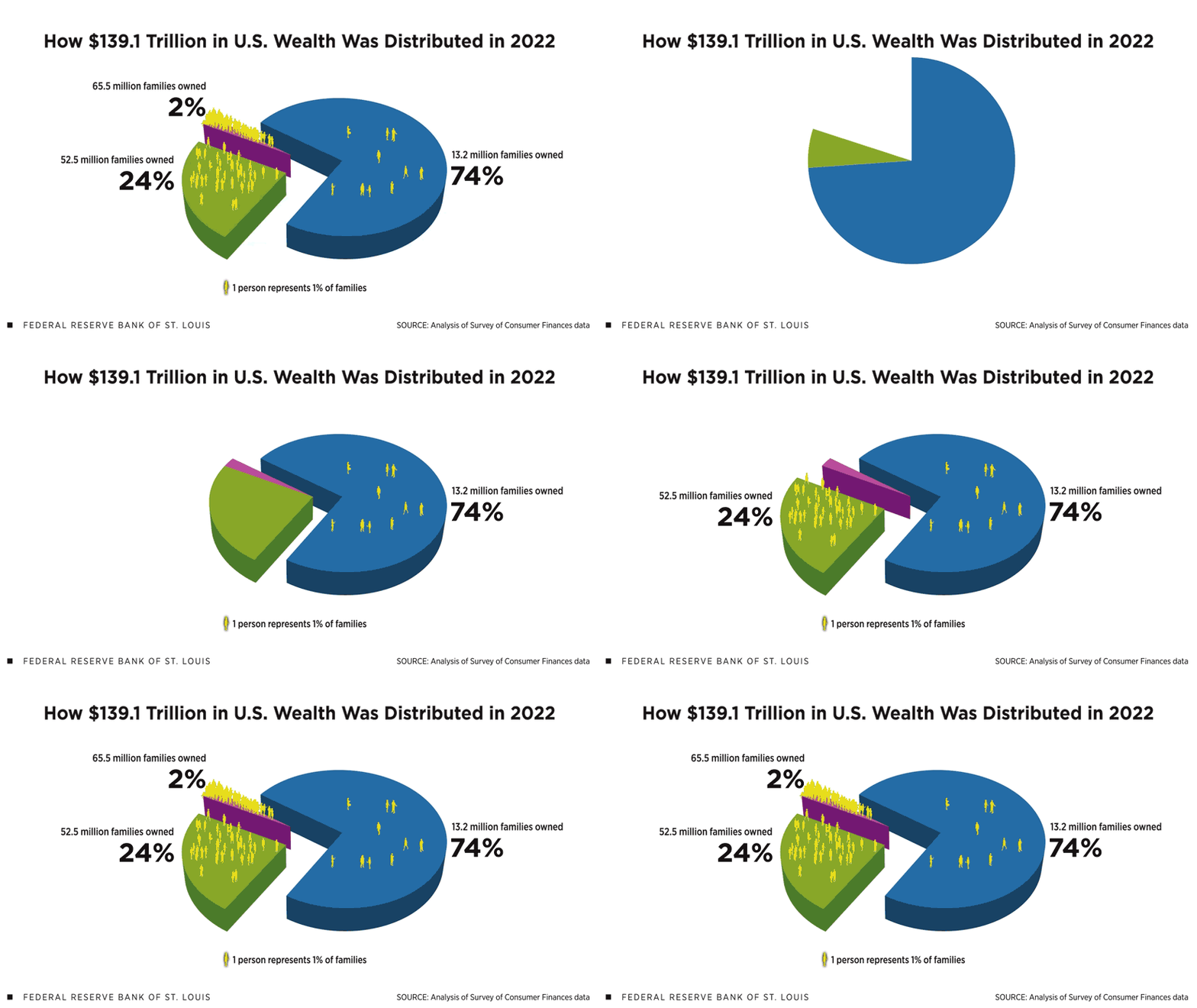
This immense concentration of capital means that the financial decisions of a single private citizen can rival the fiscal interventions of sovereign governments.
The Mechanics Behind the Numbers
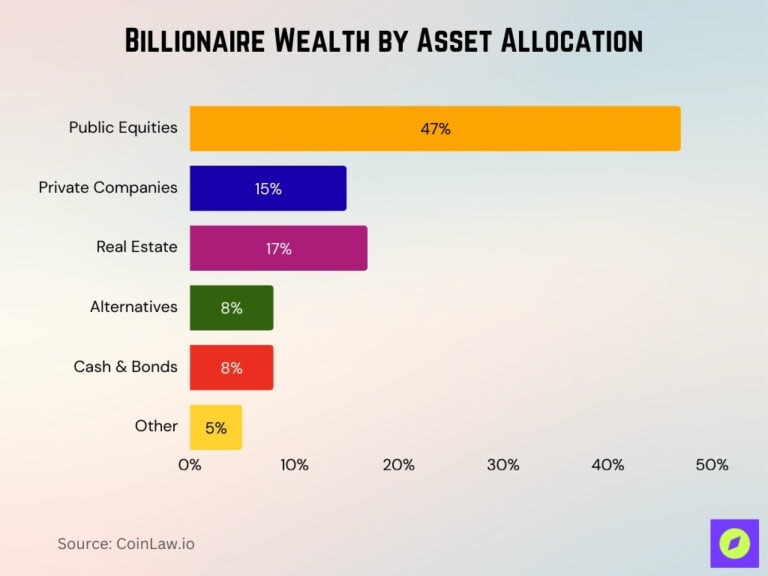
How do these fortunes actually manifest? Very rarely do modern billionaires sit on massive vaults of physical cash. Instead, their wealth is tied up in equity—ownership shares of publicly traded or privately held corporations.
When a company like Tesla, Amazon, or Alphabet experiences a surge in its stock price, the founder's net worth balloons on paper overnight. Conversely, market downturns can wipe out tens of billions in a single trading session. However, the long-term trendline over the past thirty years has favored massive upward concentration.
Asset Appreciation vs. Annual Income
Tax systems around the world are primarily designed to tax income, not accumulated wealth or unrealized capital gains. This creates a structural environment where a zillionaire can pay themselves a modest salary of $1 while their actual wealth—stored in appreciating stock—grows by $20 billion in a year.
Because they do not sell their shares, they trigger no capital gains tax. Instead, they borrow against those shares at ultra-low interest rates to fund their lifestyles. This financial engineering allows them to maintain absolute control over their empire while maximizing wealth retention.
What Does This Mean for the Global Economy?
The rise of individual fortunes that dwarf national economies introduces complex questions for policymakers, economists, and society at large.
- Philanthropy vs. Taxation: Many super-wealthy individuals argue they can allocate capital more efficiently through private foundations than governments can through taxation. Critics argue that relying on the benevolence of billionaires bypasses democratic accountability.
- Market Influence: When one person controls companies that manage global logistics, cloud computing, digital communications, and space exploration, they wield quasi-governmental power.
- Systemic Risk: The financial health of certain tech ecosystems is now deeply intertwined with global stability. A catastrophic failure in these massive enterprises carries ripples felt across international borders.
Looking Ahead
As technology continues to evolve into fields like artificial intelligence, quantum computing, and commercial space travel, the potential for wealth creation will only accelerate. The phenomenon of individuals possessing resources greater than entire nations is no longer a temporary anomaly; it is a defining characteristic of the twenty-first-century global economy. Whether this trajectory leads to sustainable innovation or demands radical economic reform remains the defining debate of our time.