When Do Marine Recruits Get Their Phones Back San Diego?
Sending a loved one off to Marine Corps Recruit Depot (MCRD) San Diego is a major milestone filled with pride, but it also brings a sharp and sudden silence. For families and friends, the hardest part is often the lack of communication. If you are wondering when do marine recruits get their phones back San Diego, the short answer is that it takes a long time, and smartphones remain securely locked away for the vast majority of the 13-week training cycle.

Understanding the strict communication policies at MCRD San Diego helps manage expectations and prepares you for the rare moments your recruit will actually be allowed to call home. Here is a complete breakdown of when, why, and how phone access works during Marine Corps recruit training.
The Initial Phase: Total Isolation
When your recruit steps off the bus at MCRD San Diego, they enter the "Yellow Footprints" and begin a period of deliberate isolation. This phase is designed to break down civilian habits and build the foundational discipline required to become a United States Marine.
The "Form Letter" and First Phone Call
Within the first 48 to 72 hours of arrival, your recruit will participate in two crucial communication events:
- The Form Letter: Recruits are given a brief window to fill out a pre-printed postcard or form letter. This is mailed home and includes their official mailing address, platoon number, and series commander information.
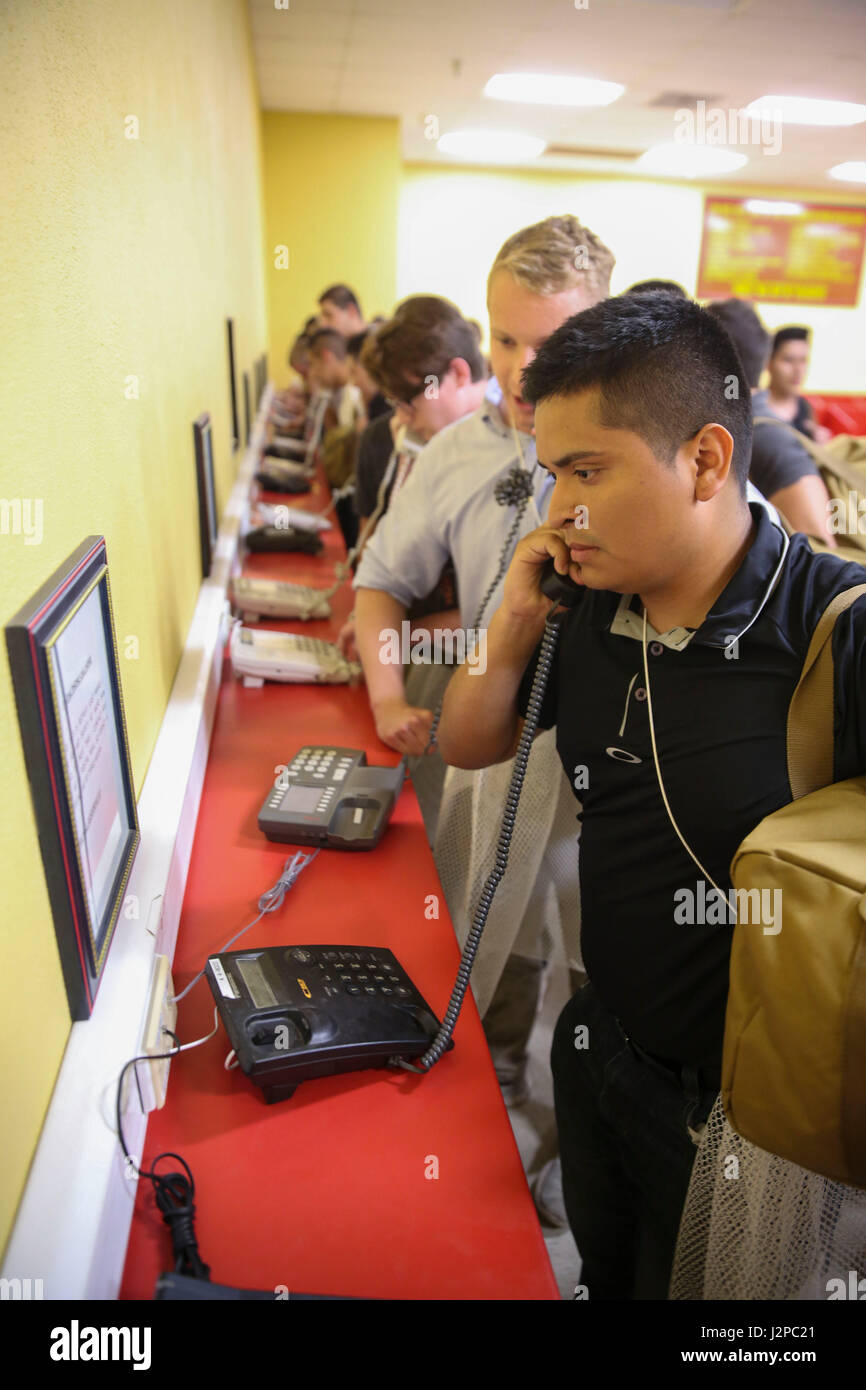
- The "I Have Arrived" Call: Within the first week, recruits are typically marched to a bank of payphones or given temporary access to make a very brief 30-to-60-second phone call. This scripted call usually goes like this: "I have arrived safely at MCRD San Diego. My address is... Do not send food or packages. I love you, goodbye."
Once this initial call ends, cell phones, smartphones, and personal electronics are packed away in personal storage or mailed home. Recruits do not see their personal devices again until graduation week.
Scheduled Phone Calls During Training
Aside from the initial arrival call, personal cell phones are strictly prohibited throughout the 13-week training cycle. However, drill instructors may grant scheduled, earned phone calls as rewards for passing major milestones, or occasionally as a unit incentive.
Video: What the First 72 Hours of Marine Corps Boot Camp Do to a Recruit Who Can't Go Home

These calls do not involve personal smartphones. Instead, recruits use landlines or public payphones located on the depot. These calls are brief—usually ranging from five to ten minutes—and depend heavily on the platoon's overall performance and discipline. If a platoon makes frequent mistakes, earned phone privileges can easily be withheld by the drill instructors.
Key Milestones for Potential Calls
While policies vary slightly depending on the specific company and series commanders, recruits are most likely to earn brief phone calls during or after the following events:
- First Rigorous Physical Fitness Test (PFT): Proving they can meet initial standards sometimes earns a brief reward.
- The Crucible: Upon completing the grueling 54-hour final test of endurance known as The Crucible, recruits earn the title "Marine." It is common for companies to allow a brief call home shortly after this event so recruits can share the news with their families.
- Family Day: Held the day before graduation, Family Day offers the first face-to-face interaction and typically includes opportunities for brief phone use if logistical coordination requires it.
When Do Marine Recruits Get Their Phones Back in San Diego Permanently?
The definitive moment when marine recruits get their phones back San Diego is during Graduation Week, specifically following the completion of final training requirements and the transition into liberty status.
On Family Day (usually a Thursday) and graduation day (Friday), recruits are finally reunited with their personal belongings, which include their cell phones. Once graduation ceremonies conclude and proper liberty briefs are given, newly minted Marines are allowed to turn their phones back on, reconnect with social media, and contact their families freely.
Tips for Families Waiting at Home
Coping with the silence during Marine Corps boot camp can be challenging. To make the process easier for both you and your recruit:
- Rely on Snail Mail: Old-fashioned letters are the lifeblood of boot camp. Write often, keep the tone positive and encouraging, and avoid sharing stressful news from home that could distract them from training.
- Join Official Support Groups: Look for official MCRD San Diego family support groups on social media platforms. These groups are managed by knowledgeable community members and often post updates when specific companies complete major milestones or earn phone calls.
- Keep Your Phone Nearby: When your recruit does earn a call, it will likely come from an unfamiliar number, a blocked number, or a payphone. Always answer calls during training weeks, as the window to speak with them is extremely tight.
Ultimately, while the lack of communication is difficult, it is a temporary sacrifice. The moment your new Marine powers on their phone in San Diego—and the phone call or text finally comes through—will make the 13 weeks of waiting entirely worthwhile.