When It Is Synonymous: Words and Meanings Explained
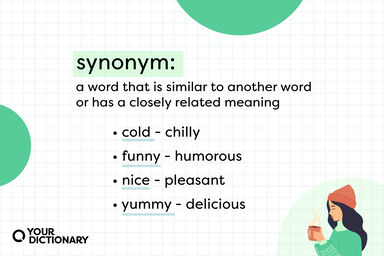
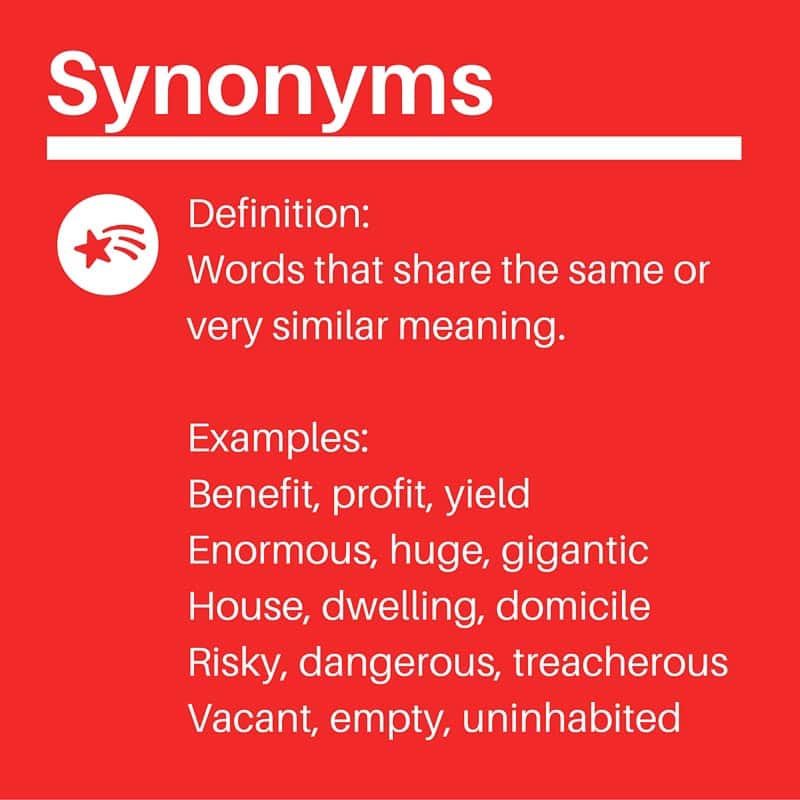
Language is a vast, living ecosystem of expression. When searching for the right term to elevate your writing, you might find a word and assume it is synonymous with another, simpler concept. After all, dictionaries exist to equate terms and guide writers toward alternatives that keep prose fresh. However, equating two words strictly as equals often overlooks the subtle emotional undertones, historical contexts, and grammatical constraints that make every term unique.

Understanding how synonyms actually work goes beyond basic substitution. In this guide, we will explore the mechanics of synonymity, why true equivalents are exceptionally rare, and how you can choose the right words with precision and confidence.
The Illusion of True Synonymy
In linguistics, true synonyms are words that can be substituted for one another in any given context without changing the meaning, tone, or nuance of the sentence. Yet, if you examine most word pairs, you will quickly realize that absolute equivalence is a myth. Every term carries its own baggage—cultural associations, regional variations, and emotional resonance.
Consider the words house and home. On the surface, both refer to a physical dwelling where people live. But saying someone built a "house" sounds clinical and structural, whereas saying they built a "home" invokes warmth, family, and safety. Even though they share core denotations, their connotations keep them distinct.
Denotation vs. Connotation
To master vocabulary, you must separate a word's literal dictionary definition from its emotional baggage:
- Denotation: The literal, objective definition of a word, free from emotional coloring.
- Connotation: The associated emotions, cultural meanings, or implied attitudes tied to a word.
For example, the words slim, thin, and skinny all describe someone of low body weight. However, slim carries a positive, flattering connotation; thin is generally neutral; and skinny can sometimes sound critical or overly informal. Selecting the wrong variant changes how a reader perceives your entire message, even if the basic information remains intact.
Why Context Dictates Meaning
Context is the ultimate arbiter of language. A term that fits seamlessly into a scientific report might feel jarringly sterile in a piece of creative fiction. When determining whether two expressions can be swapped, you have to look at the surrounding sentence structure, the intended audience, and the medium of communication.
Video: What is a synonym

Register—the level of formality in speech or writing—plays a massive role here. If you are writing a legal contract, you cannot simply replace formal terminology with casual slang simply because a thesaurus suggests they share a definition. Legal writing demands precision, whereas conversational dialogue demands natural flow.
Common Pitfalls When Using a Thesaurus
The thesaurus is one of a writer's best tools, but it is also a frequent source of accidental errors. Relying too heavily on synonym lists without verifying definitions can lead to several common mistakes:
- Ignoring register: Using an archaic or overly academic word in a casual context sounds pretentious rather than articulate.
- Overlooking grammatical fit: Two words might share a definition, but one might require a preposition that the other does not (e.g., capable vs. competent).
- Failing to read example sentences: Grabbing the first option in a list without checking how native speakers use it often results in unnatural phrasing.
How to Choose the Right Word Every Time
Improving your command of vocabulary requires intentionality. Instead of blindly trusting automated suggestions, use a step-by-step approach to evaluate your word choices before finalizing your text.
First, trust your ear. Read your sentence aloud. If a substituted word sounds clunky or disrupts the natural rhythm of your prose, it is likely the wrong fit, regardless of what a reference guide says. Second, cross-reference definitions in a comprehensive dictionary rather than relying solely on a synonym finder. Look at the usage notes and example sentences provided by lexicographers.
Finally, consider your audience. Are you writing for academic researchers, marketing professionals, or casual readers? Tailoring your lexicon to the expectations of your readers ensures clear communication without unnecessary friction.
Conclusion
Language is remarkably flexible, but it is rarely arbitrary. While finding a match on paper might lead you to believe it is synonymous, the reality of human communication requires a deeper appreciation of context, tone, and connotation. By moving beyond literal definitions and paying attention to how words make people feel, you can elevate your writing from technically correct to genuinely compelling.