When Private Content Goes Viral: The Aftermath of Leaks
Understanding the Modern Leak Culture
In the hyper-connected digital landscape, data is currency, and privacy is increasingly fragile. Whether originating from compromised cloud storage, hacked messaging applications, or malicious ex-partners, private media can escape its intended boundaries with terrifying speed. When private content goes viral in the age of leaks, the event triggers a complex cascade of platform algorithms, legal battles, and profound psychological trauma for the affected individuals.
The democratization of high-speed internet and social media has created an ecosystem where sensationalism rewards engagement. Consequently, leaked media—ranging from intimate photographs to confidential corporate documents—spreads faster than platforms can moderate it. Understanding this phenomenon requires examining how algorithms amplify leaked material, the legal frameworks governing digital privacy, and the lasting human cost.
The Mechanics of Virality: How Leaked Content Spreads
Once private content enters the public sphere, it enters a predatory ecosystem designed to maximize reach. Understanding how this spread occurs highlights the vulnerabilities in our current digital infrastructure.
The Role of Aggregator Sites and Forums
Mainstream social networks like X (formerly Twitter), Reddit, and Telegram often act as distribution hubs for leaked media. While mainstream platforms have strict terms of service regarding non-consensual content, decentralized networks, niche image boards, and dedicated leak aggregator websites operate with minimal oversight. These platforms thrive on indexing and redistributing stolen material, often monetizing the traffic through programmatic advertising or subscription walls.
Algorithmic Amplification
Engagement-driven algorithms do not differentiate between consensual and non-consensual content. When users rapidly share, comment on, or report a leaked file, recommendation engines interpret this high volume of activity as trending or valuable. This inadvertently pushes the content into the feeds of millions of unrequested viewers, accelerating the viral loop before content moderators can intervene.
The Legal Landscape and Enforcement Challenges
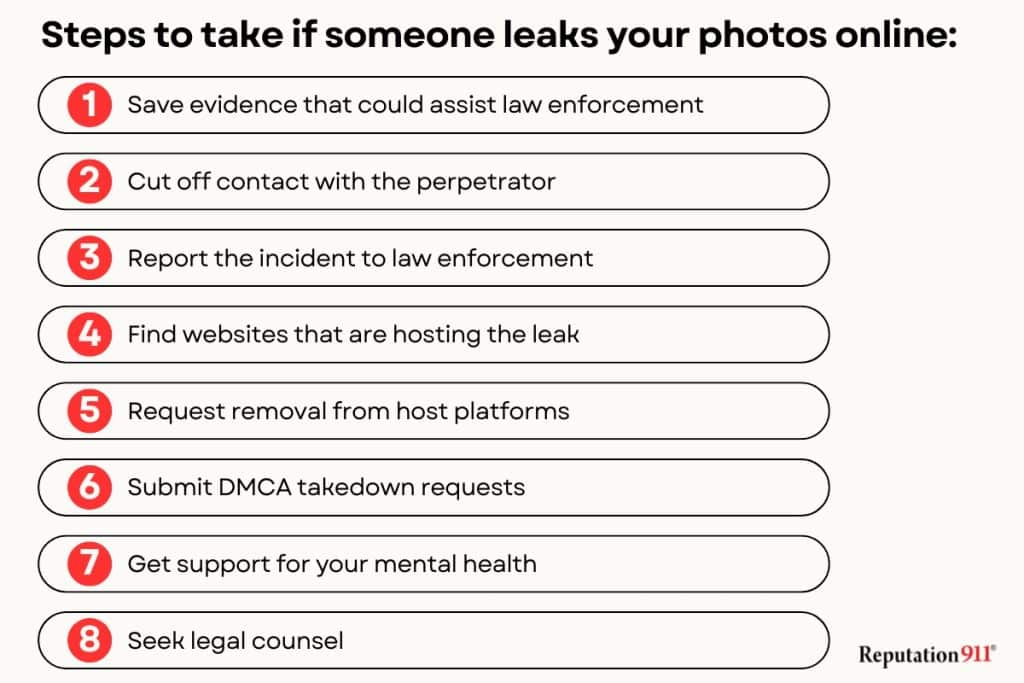
Victims of leaked private content often look to the law for recourse, but legal systems globally are still struggling to catch up with the speed of digital dissemination.
- Non-Consensual Pornography (NCP) Laws: Many jurisdictions now criminalize the sharing of intimate images without consent, often referred to as 'revenge porn.' However, enforcement varies wildly by state and country.
- Copyright Infringement Claims: In cases where individuals own the copyright to the media they created, Digital Millennium Copyright Act (DMCA) takedown notices offer a practical, albeit slow, mechanism to force platforms to remove the content.
- Cross-Border Jurisdictional Issues: Because servers and hosting providers are often located overseas, executing swift legal action against malicious uploaders can be nearly impossible for local law enforcement.
The Psychological and Social Toll on Victims
While society often focuses on the technological and legal aspects of data breaches, the human element is frequently overlooked. The psychological fallout for victims whose private lives are suddenly broadcast globally is severe and long-lasting.
Victims frequently experience acute anxiety, depression, and symptoms matching Post-Traumatic Stress Disorder (PTSD). The feeling of violation is compounded by the loss of control; once digital data is replicated across thousands of hard drives and cloud servers, it can never truly be scrubbed from the internet. Furthermore, victims often face secondary victimization through victim-blaming, online harassment, and professional fallout, forcing many to delete their social media profiles, change jobs, or relocate.
Practical Steps for Damage Control and Prevention
While stopping a viral leak entirely is exceptionally difficult, digital security experts recommend specific protocols to mitigate damage and protect private assets in the first place.
- Utilize End-to-End Encryption: Always use messaging apps that feature robust end-to-end encryption for sensitive communications and media sharing.
- Enforce Multi-Factor Authentication (MFA): Secure cloud storage accounts and email addresses with hardware tokens or authenticator apps rather than SMS-based codes.
- Act Quickly with Takedowns: Utilize automated DMCA services and reporting tools to target the source and primary hubs of the leak immediately, reducing secondary distribution.
- Preserve Evidence: Take screenshots, save URLs, and document user profiles distributing the content to aid law enforcement and legal counsel in building a case.
Conclusion
The phenomenon of leaked private media exposes the darker side of modern connectivity. As technology evolves, so too must our legal protections, platform accountability, and digital literacy. Protecting privacy in the digital age requires a collective shift—not only in how we secure our personal devices, but also in how society consumes and reacts to unauthorized content.