When the Leak Breaks: The Real Emotional Truth
We live in a world obsessed with secrets. From high-stakes corporate whistleblowing to the private emotional burdens we carry in silence, containment has become a second nature. But pressure accumulates over time, and sooner or later, containment fails. When a leak breaks, society often focuses on the fallout, the logistics, and the damage control. Yet, beneath the headlines and the public drama lies a deeply personal, psychological storm. Understanding what really happens when the leak breaks gives us profound insight into the human cost—and the potential for eventual healing—of carrying and releasing hidden truths.
The Immediate Shock and the Adrenaline Surge
The exact moment a secret is exposed—whether it slips out in a heated argument, is published by a journalist, or is confessed voluntarily—triggers a primal physiological response. The nervous system instantly registers danger.
For the person who held the secret, heart rates spike. Blood rushes to the extremities as the body prepares for fight, flight, or freeze. There is a terrifying sense of gravity, as if the floor has suddenly dropped away. You realize, with sudden and absolute clarity, that the reality you knew a second ago no longer exists. The narrative has changed forever, and you can no longer control how the story is told.
For those on the receiving end, the reaction is often numbness followed by acute shock. Betrayal and confusion compete for dominance. The brain scrambles to rewrite past timelines, searching for clues and recalculating trust. In this initial window, nobody is thinking rationally; everyone is reacting purely from a place of survival and defense.
The Paradox of Relief: Why Exposure Feels Like Exhalation
Despite the chaos, a strange and paradoxical emotion almost always follows the initial shock: relief. Even when the consequences are catastrophic, the moment the leak breaks often brings an involuntary physical and mental exhalation.
Hiding a truth requires an exhausting amount of cognitive labor. You have to monitor your words, remember who knows what, scan rooms for potential risks, and suppress the nagging guilt or anxiety that lives in your chest. When the secret is finally out, the burden of management vanishes instantly.
- The end of paranoia: You no longer have to worry about getting caught.
- The removal of ambiguity: The worst-case scenario has happened, which removes the paralyzing fear of the unknown.
- A forced authenticity: You can no longer pretend, which, albeit painfully, aligns your outer reality with your inner reality.
This relief does not mean the situation is good or painless; it simply means the weight has shifted from your shoulders onto the open table.
Navigating the Fallout: The Stages of Processing
Video: [ENG SUB]✨A Spoiled, Money-Loving Villainess Breaks Every Rule of Her Original Story#drama

Once the dust begins to settle, a long and nonlinear recovery process begins. When the leak breaks, it acts like a hand grenade dropped into a relationship dynamic, a workplace, or a community. The shockwave touches everyone differently, leading to distinct phases of emotional processing.
Blame, Grief, and Anger
Anger is usually the loudest emotion in the room following a major disclosure. It serves as a shield against vulnerability. People lash out to regain a sense of power. Alongside anger comes profound grief—grief for the simplicity of the past, for lost trust, and for the version of a person or organization you thought you knew. Allow yourself and others to feel these sharp emotions without rushing to fix them.
The Scramble for Narrative Control
Once the initial anger cools slightly, everyone involved tries to make sense of what happened. People spin narratives to protect their egos, their reputations, or their hearts. This is often where secondary conflicts arise. The truth is rarely clean; it is usually messy, contradictory, and uncomfortable for all parties involved.
Exhaustion and Burnout
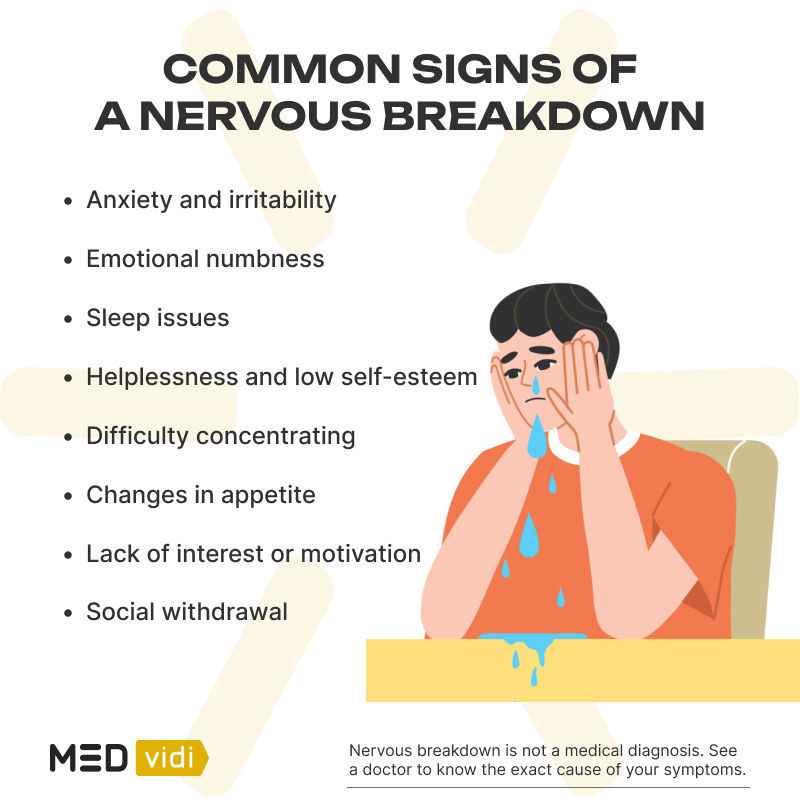
The adrenaline eventually wears off, leaving a deep, bone-deep fatigue in its wake. Processing trauma, managing conversations, and rebuilding from scratch take an immense toll on mental health. It is completely normal to feel hollow, depressed, or emotionally numb during this phase.
Rebuilding From the Rubble
The emotional truth of a broken leak is that it destroys illusions to make space for reality. You cannot un-break a dam once the water has rushed through the valley. The landscape is permanently altered.
However, fertile soil often follows a flood. While some relationships and structures do not survive the truth, those that do are typically built on a much stouter, more honest foundation. Without the shadow of concealment, people can finally interact with what is real rather than what was managed.
If you are standing in the wreckage of a secret that has just come to light, remember to take things one hour at a time. Breathe through the physical panic, accept the messy emotional waves, and understand that while the truth hurts, it is also the only vehicle that can ultimately drive you toward genuine peace.