Where Do You Feel Implantation Cramps?
Understanding Implantation Cramps

When trying to conceive, every tiny twinge in the lower abdomen can feel like a major clue. One of the most common early questions is: where do you feel implantation cramps? Understanding the precise location and nature of these sensations can help you navigate the stressful two-week wait with a bit more clarity and less anxiety.
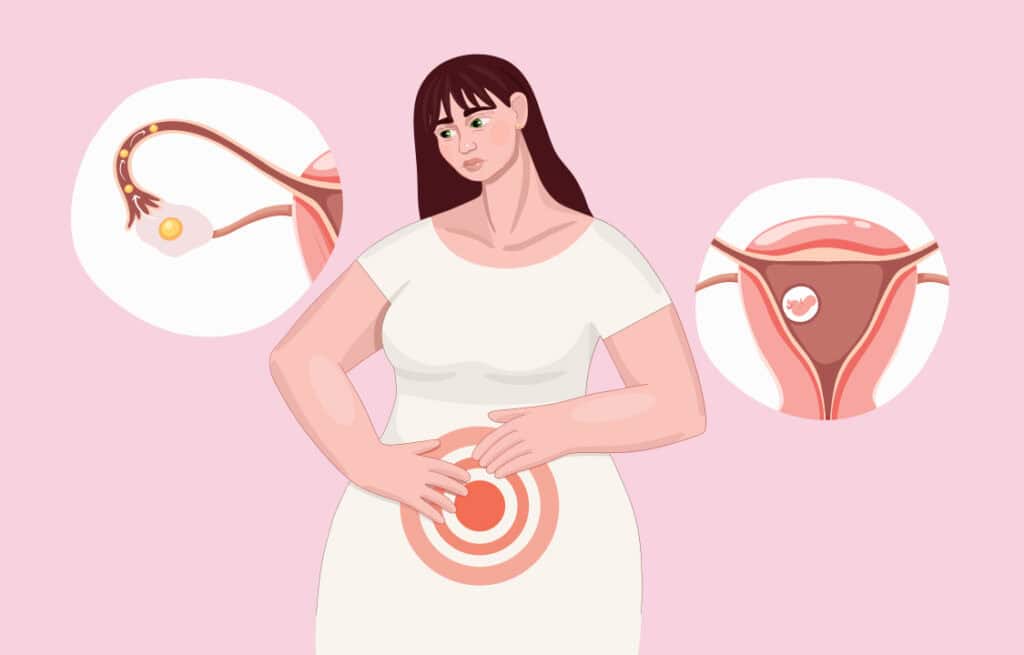
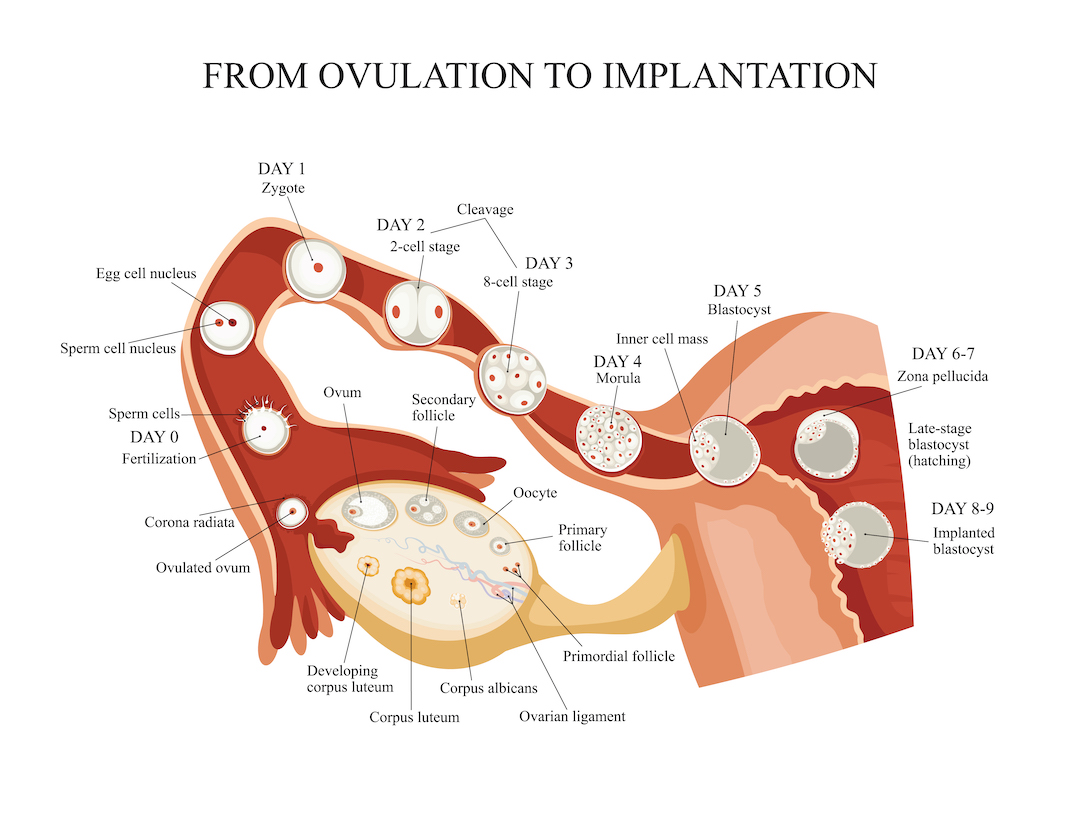
Implantation occurs when a fertilized egg, now called a blastocyst, travels down the fallopian tube and burrows itself deep into the thick, nutrient-rich lining of the uterus (the endometrium). This microscopic event usually happens about 6 to 12 days after ovulation, roughly around the time a woman might expect her upcoming menstrual period. Because the timing overlaps so closely with PMS, telling the difference between the two can be genuinely challenging.
Where Do You Feel Implantation Cramps Exactly?
Unlike standard menstrual cramps that often blanket the entire lower abdomen and radiate into the lower back, implantation cramps tend to be much more localized. If you are wondering where do you feel implantation cramps on your body, the answer generally points to one specific spot.
Lower Abdomen and Pelvic Region
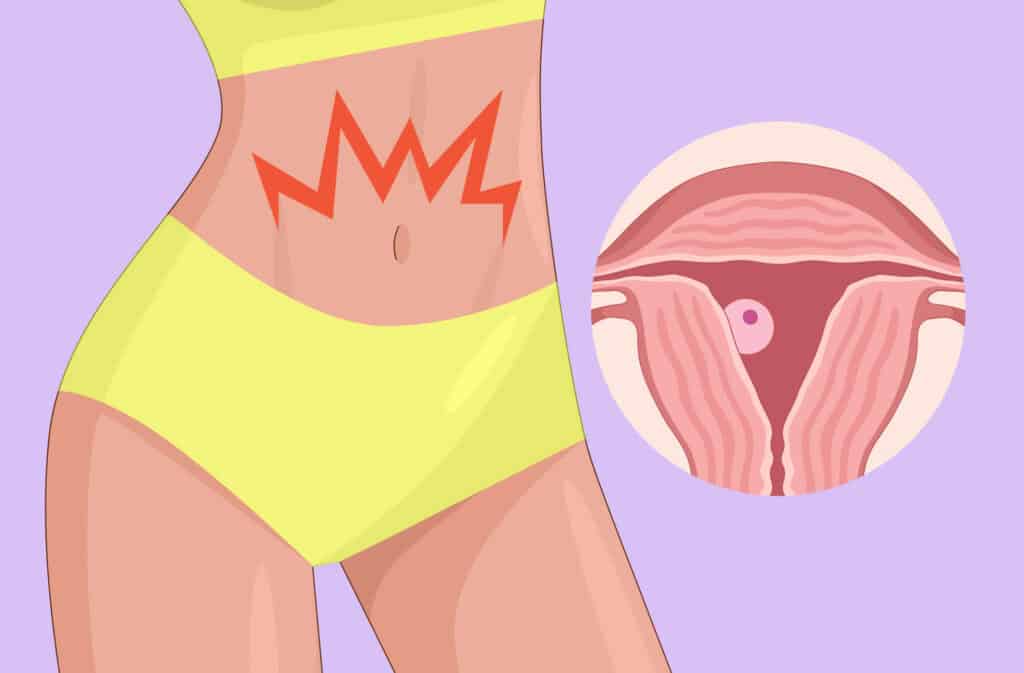
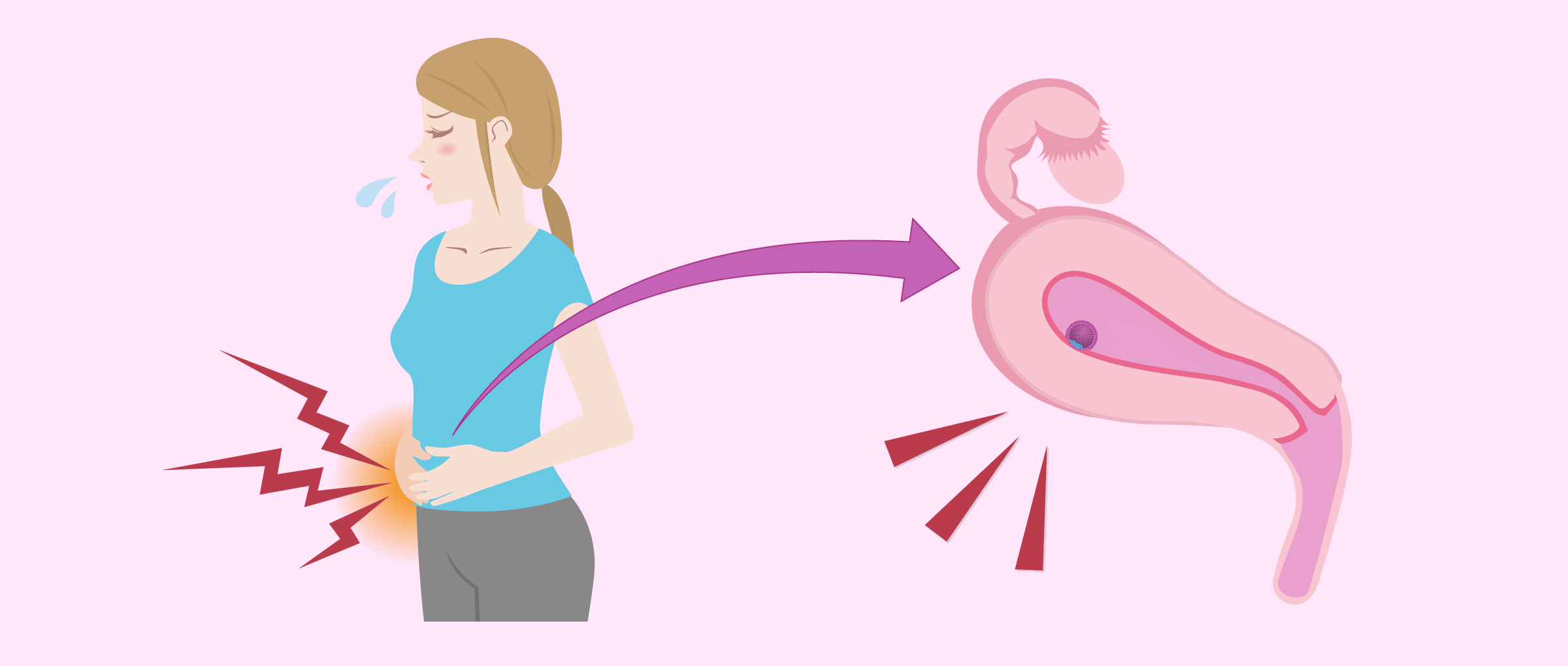
The vast majority of women who experience implantation discomfort report feeling it in the very lower part of the abdomen, right above the pubic bone. This is the exact area where the uterus sits in the pelvic cavity. However, the sensation is rarely centered. Instead, it is usually felt slightly off to one side.
One-Sided Twinges
Because ovulation typically alternates between the left and right ovaries each month, the fertilized egg often implants on the corresponding side of the uterine wall. Consequently, many women describe implantation cramps as a dull ache, a mild pulling sensation, or a sharp twinge on either the left or right side of the lower pelvis, rather than a generalized cramp.
Lower Back Radiation
While less common than localized pelvic sensations, some women do report a mild, dull ache in the lower back. This happens because the nerves in the pelvis and lower back share similar pathways. However, if your back pain is severe or accompanied by other symptoms, it is always wise to consult a healthcare provider.
What Do Implantation Cramps Feel Like?
Video: What do implantation cramps feel like?

Location is only part of the puzzle; the intensity and texture of the sensation matter just as much. While menstrual cramps can range from mildly annoying to debilitating, implantation cramps are almost universally described as much milder.
- Twinges and Pulling: Many women describe a sensation similar to light pulling, stretching, or a fleeting pinprick.
- Dull Ache: A faint, constant background ache that comes and goes rather than staying persistent.
- Short Duration: Unlike period cramps that can last for hours or days on end, implantation cramps typically last only a few minutes to a few hours. Some women report feeling just a single, sharp cramp and nothing else.
Implantation Cramps vs. Menstrual Cramps
Because progesterone levels surge in the second half of both a non-pregnant and a pregnant cycle, many early pregnancy symptoms mimic PMS. However, a few key differences can help you tell them apart.
First, consider the timeline. Implantation cramps usually occur a few days before your expected period. If your cramps start and your period follows immediately the next day, it is almost certainly a standard menstrual cycle beginning, not implantation.
Second, look at the progression. Menstrual cramps tend to start mild, peak in intensity during the heaviest days of bleeding, and then taper off. Implantation cramps, conversely, are random, fleeting, and do not culminate in a menstrual flow.
Other Signs of Implantation
Cramping is just one potential indicator that a fertilized egg has successfully nested in your uterine lining. To get a clearer picture, look for these accompanying early signs:
- Implantation Bleeding: A very light spotting or pinkish-brown discharge that occurs around the time of the cramps. It is usually much lighter than a normal period and stops within 24 to 48 hours.
- Breast Tenderness: Hormonal shifts can cause your breasts to feel swollen, heavy, or exceptionally sore to the touch.
- Fatigue: A sudden, overwhelming wave of tiredness driven by rising progesterone levels.
- Heightened Sense of Smell: Many newly pregnant women find everyday odors suddenly repulsive or intensely strong.
- Mild Mood Swings: Rapid hormonal fluctuations can leave you feeling unusually emotional or irritable.
When to See a Doctor
While mild cramping and light spotting are entirely normal during early pregnancy, severe or debilitating pain is not. You should contact a healthcare professional immediately if you experience:
- Severe, sharp, or one-sided pain that does not subside
- Heavy vaginal bleeding that fills a pad or tampon
- Dizziness, fainting, or shoulder tip pain
- Chills or a high fever
These symptoms can occasionally point toward complications such as an ectopic pregnancy, which requires prompt medical evaluation and care.
The Bottom Line
So, where do you feel implantation cramps? Typically, you will feel them in the lower abdomen, often localized to the left or right side, accompanied by a mild pulling or tingling sensation. Keep in mind that every woman's body is entirely unique. Many women experience implantation with zero cramping or bleeding at all, going on to have completely healthy pregnancies. The absolute most reliable way to confirm pregnancy is to wait until missed period and take a home pregnancy test, or consult your doctor for a quantitative blood test.