Where John Dillinger Died: The End of a Legend
During the height of the Great Depression, bank robber John Dillinger captivated the American public. To the struggling working class, he was a Robin Hood figure thumbing his nose at the wealthy banking institutions that had foreclosed on farms and homes. To the newly empowered Federal Bureau of Investigation (FBI) and its director, J. Edgar Hoover, Dillinger was Public Enemy Number One—a ruthless criminal whose violent gang had terrorized the Midwest. His legendary jailbreaks and daring heists made him a household name, but his luck finally ran out in the summer of 1934. Understanding the exact location and circumstances of his demise answers a lingering historical question: where John Dillinger died.

The Setup: Betrayal in the Windy City
By July 1934, Dillinger was hiding out in Chicago under an assumed name. He was lying low, altering his appearance with glasses and even attempting to alter his own fingerprints with acid. However, he trusted the wrong person.
Ana Cumpanas, a Romanian brothel owner facing deportation, recognized the fugitive. Seeking to save herself and earn a hefty reward, she contacted FBI agent Melvin Purvis. Cumpanas agreed to tip off the authorities when she and Dillinger went to the movies, setting in motion the tragic events of July 22, 1934.
Where John Dillinger Died: The Biograph Theater
The definitive answer to where John Dillinger died is the alleyway beside the Biograph Theater, located at 2433 North Lincoln Avenue in Chicago's Lincoln Park neighborhood.
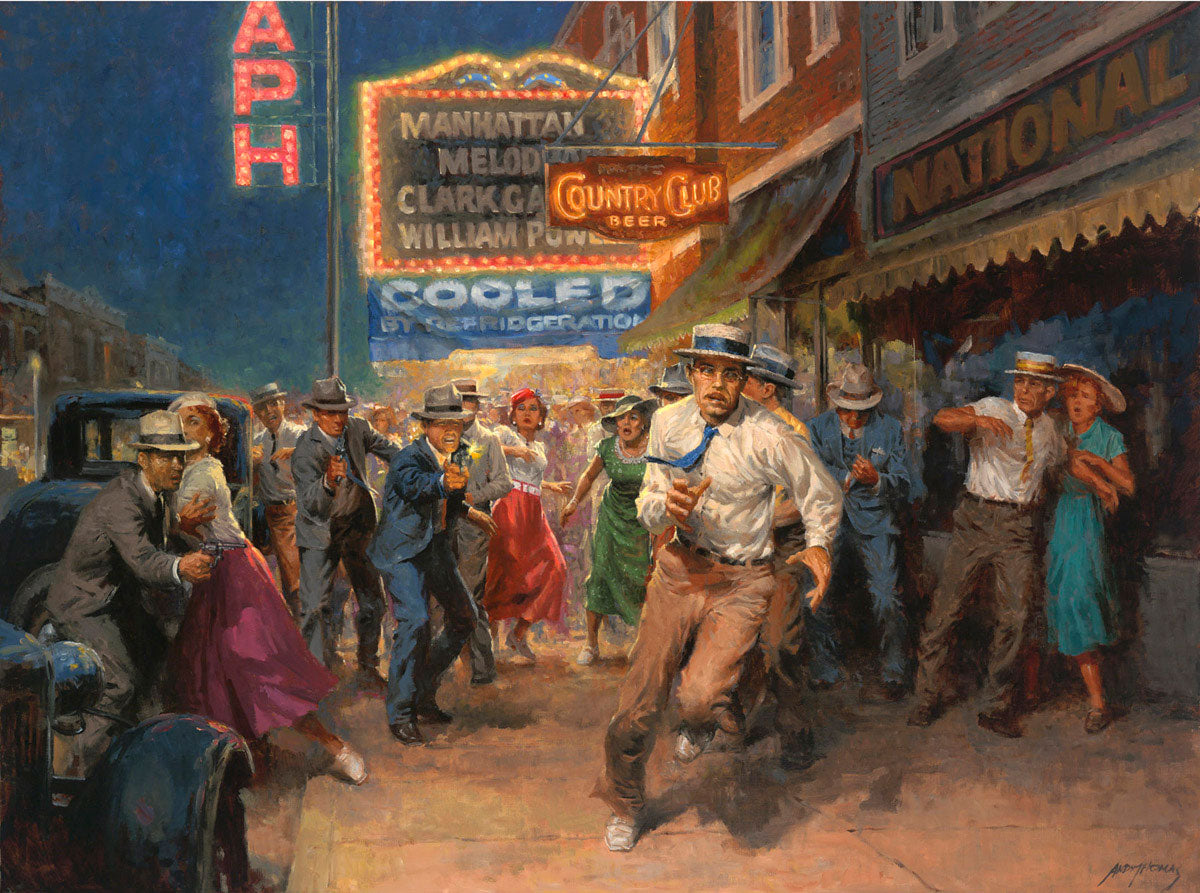
On that fateful Sunday night, Dillinger, Cumpanas (dubbed the "Lady in Red" by the press, though her dress was actually orange), and another companion named Polly Hamilton attended a screening of the crime drama Manhattan Melodrama starring Clark Gable. As the movie ended, the trio walked out onto the crowded sidewalk, unaware that federal agents and local police had staked out the exits.
The Ambush and Shootout
Video: The Gross Reality of John Dillinger's Death - This WAS NOT like Hollywood!

As Dillinger realized he was trapped by Agent Melvin Purvis and his team, he panicked and bolted toward a nearby alley. He drew a Colt .38 pocket semi-automatic pistol from his trousers, but he never had a chance to fire.
Federal agents opened fire instantly before he could reach cover. Four bullets struck Dillinger. Two missed, but the fatal shot entered his right side, severed his spinal cord, and exited his left collarbone. He collapsed face down into the pavement of the dark alleyway.
The Aftermath and Public Spectacle
The chaotic scene outside the theater quickly turned into a gruesome public spectacle. Within minutes, crowds rushed to the alley to catch a glimpse of the fallen outlaw. Spectators dipped handkerchiefs and newspapers into the pool of Dillinger's blood as macabre souvenirs of the historic event.
He was rushed to the Alexian Brothers Hospital, but doctors pronounced him dead on arrival. His body was later put on public display at a Chicago morgue, drawing thousands of curious onlookers before his remains were shipped back to his hometown of Indianapolis for burial.
Visiting the Site Today
For true crime enthusiasts and history buffs visiting Chicago, the site of Dillinger’s final moments remains a popular pilgrimage. While the city has changed significantly over the decades, key elements of that night are still preserved:
- The Biograph Theater: Now operating as the Victory Gardens Theater, the exterior has been carefully restored to look much as it did in 1934, complete with the original marquee style.
- The Alley: The fateful alleyway where the shooting occurred is still accessible to pedestrians, running directly alongside the theater building.
The legend of John Dillinger endures, fueled by Hollywood films, books, and folklore. Yet, the story ultimately concludes on that hot Chicago sidewalk, where a violent era of Depression-era gangster history came to a sudden and definitive halt.